Explainers
How medical technology is regulated, paid for and tested, in plain language.

CereVasc Alzheimer's Study Shows How an Investigational Device Exemption Works
An IDE lets an unapproved device be used in a clinical study to gather safety and effectiveness data; it is not marketing authorization.
Latest Across Health Sense
Cooper Companies CEO Albert White Steps Down; Rosebrough Named Executive Chair
FDA Early Alert Covers All Medline Beds After Two Deaths and Market Exit
FDA Expands Instylla's Embrace Hydrogel Embolic Approval to Peripheral Arterial Bleeds
Heat Packs and Heating Pads Make Up 83% of FDA Reports on Physical Therapy Devices
Boston Scientific Cuts 2026 Guidance for a Third Time After Cyberattack
More in Explainers

X9 Designation Shows What FDA Breakthrough Device Status Does and Does Not Mean
The designation brings closer contact with FDA reviewers and prioritized review, but no change in the evidence a device needs to reach the market.

What Real-World Evidence Means for FDA Device Decisions
Data from health records, registries and claims can support device submissions under FDA guidance updated in December 2025, if the data are judged relevant and reliable.

How Device User Fees Work as FDA Readies MDUFA VI for Congress
Device makers pay FDA to review their submissions under a five-year deal that sets review goals; the next one would run from fiscal 2028 to 2032.
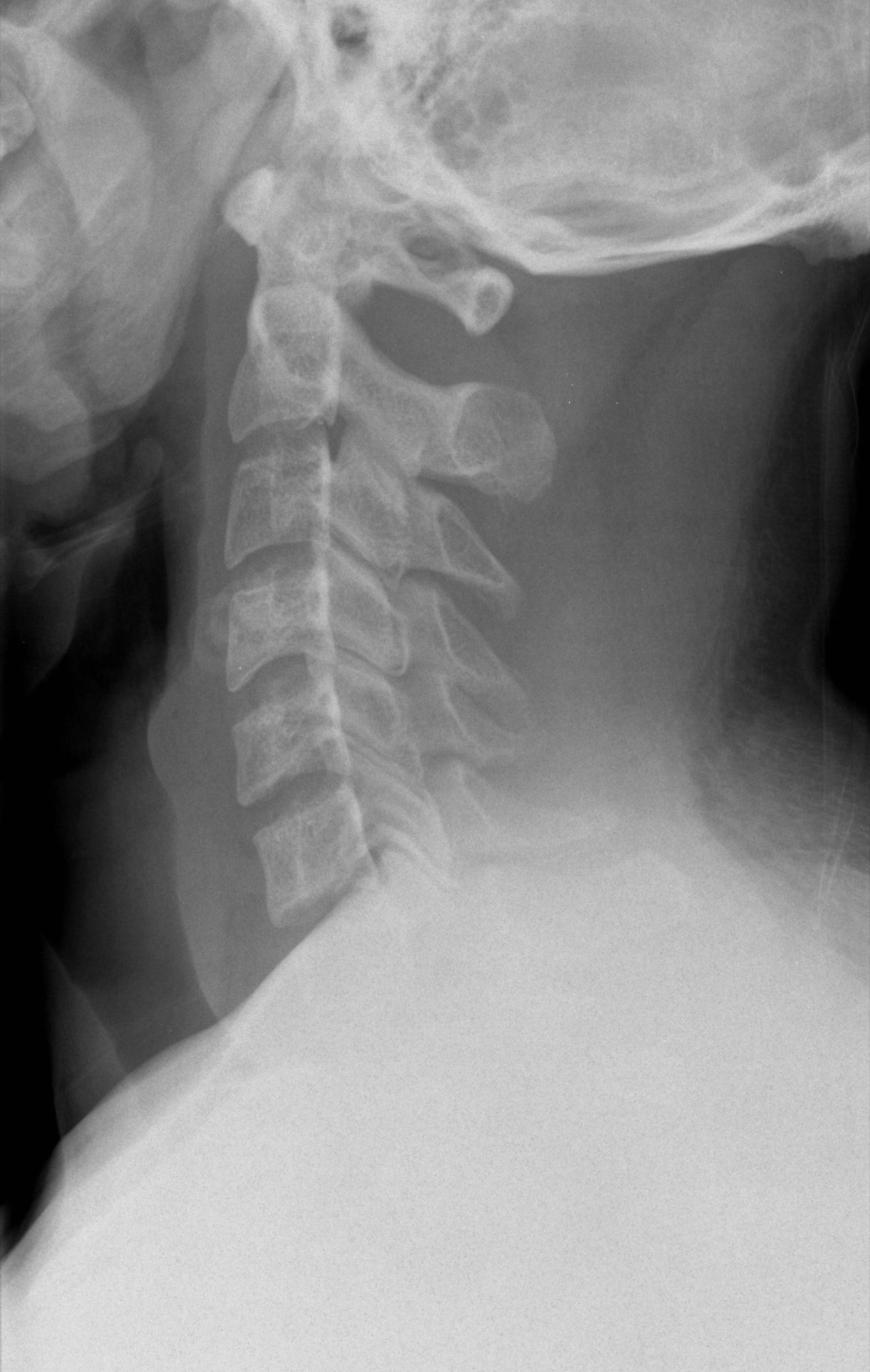
Centinel Spine's Two-Level Approval Shows How PMA Supplements Work
Changing an approved high-risk device, from a new indication to a new supplier, runs through a menu of supplement types set out in FDA rules.
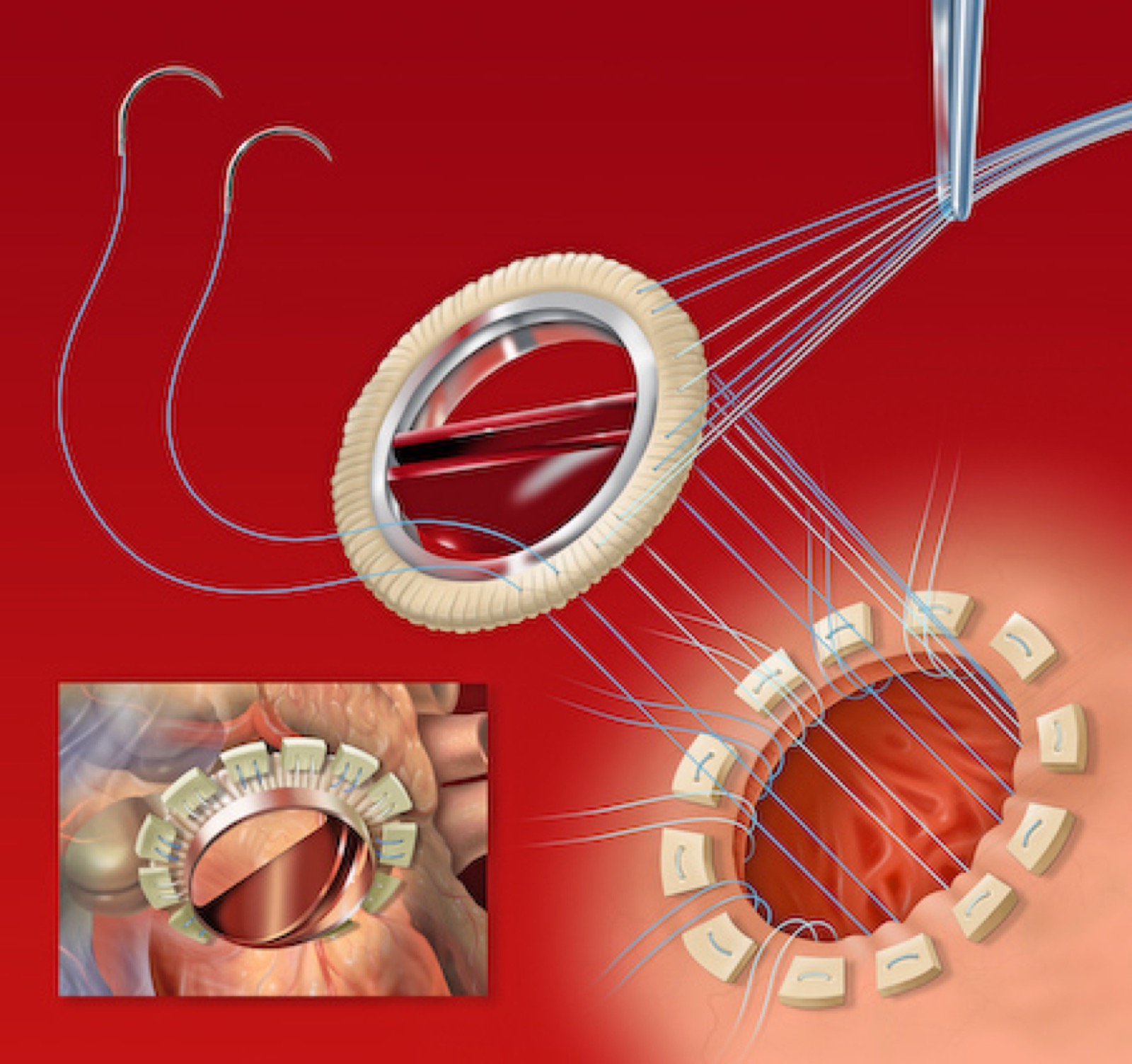
How Medicare Decides National Coverage, as TAVR Review for Aortic Regurgitation Advances
FDA approval lets a device be sold; a national coverage determination decides whether Medicare pays for it, on a timetable set out in CMS's own process.
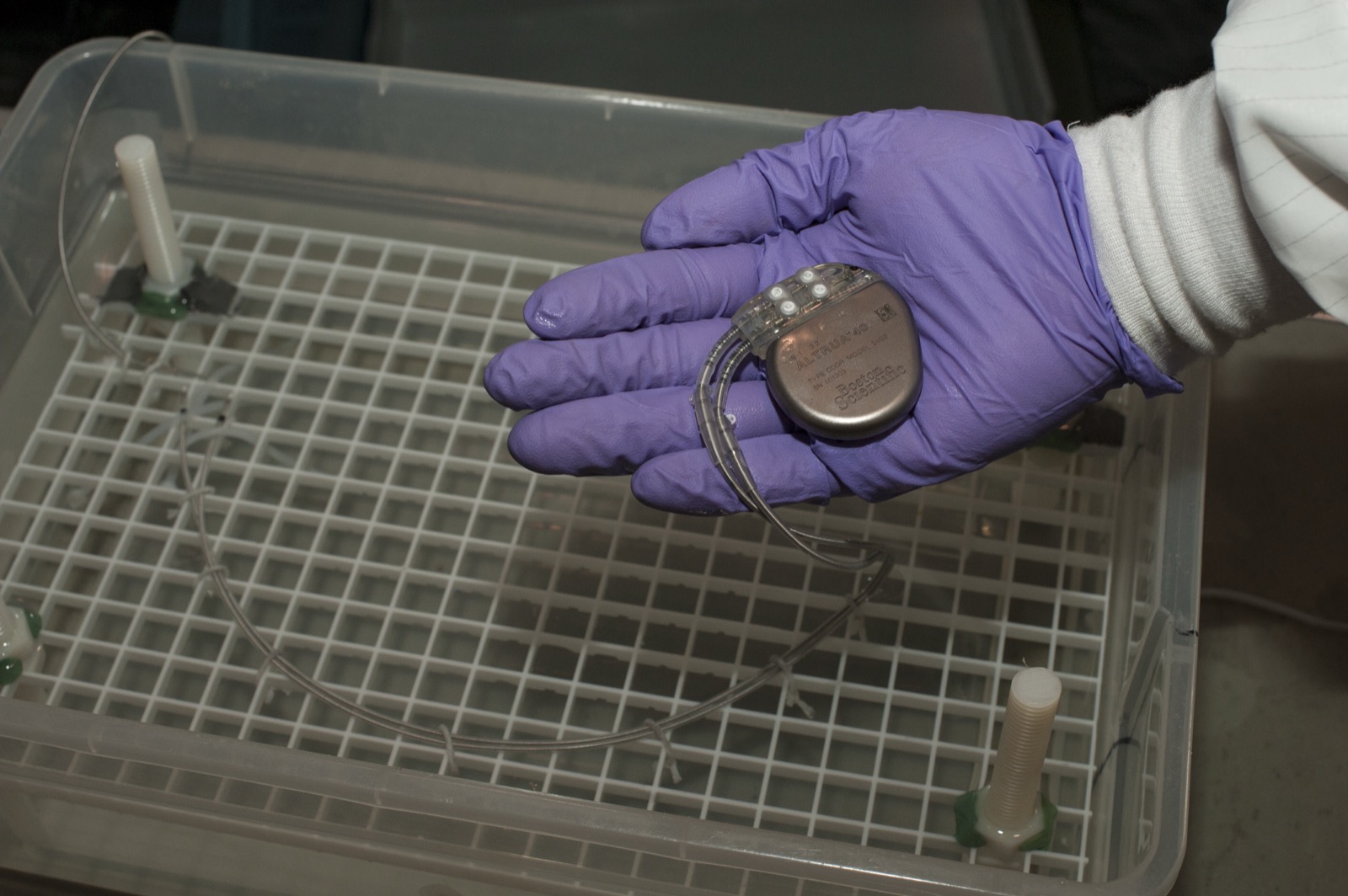
SmartRead Grant Shows How FDA's De Novo Pathway Differs From 510(k) and PMA
A handheld cardiac implant identifier reached the US market through De Novo, the route for new moderate-risk devices that have nothing to compare against.
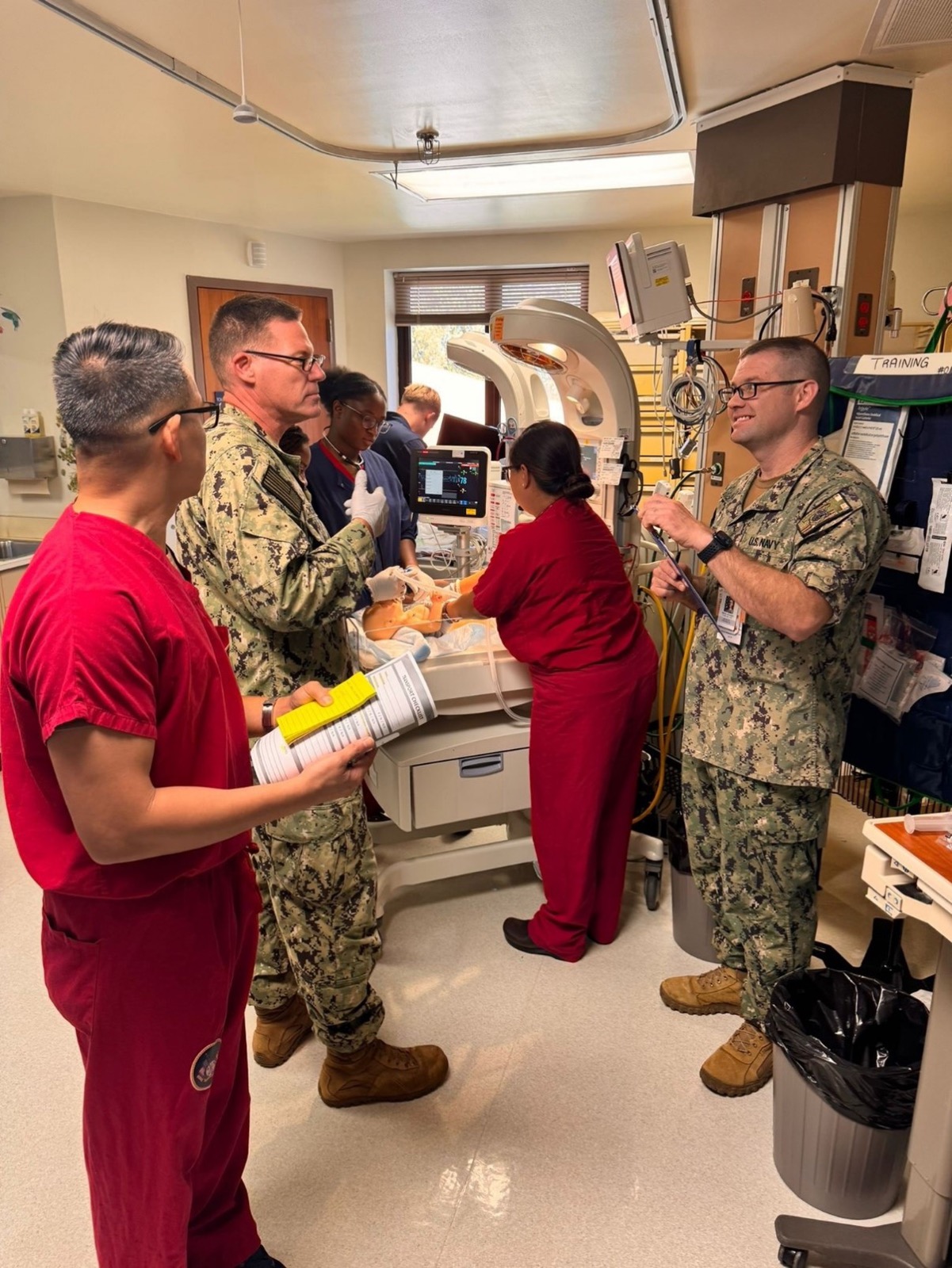
Draeger Infant Circuit Recall Shows How FDA Ranks Device Recalls
An Early Alert in September became a Class I recall in October, a two-step sequence that reflects how the agency now communicates device problems.

Fresenius Kabi Letter Shows How an FDA Inspection Becomes a Warning Letter
The path runs from an inspector's Form 483 through the company's written response to a public letter, and ends only when FDA verifies the fixes.

Autonomix Meeting Shows What an FDA Pre-Submission Can and Cannot Settle
Device makers can ask FDA for written feedback or a meeting before they file, but the agency's guidance says that advice does not guarantee a favorable decision.

Galleri Panel Vote Shows What FDA Advisory Committees Do and Do Not Decide
A device panel backed GRAIL's multi-cancer blood test in three votes, but under FDA's rules the experts advise and the agency decides.

GAO Audit Report Shows How FDA's Third-Party 510(k) Review Program Works
Accredited outside organizations do the first review of about 2 percent of 510(k) submissions, but FDA still makes the final call, and GAO says its audits of those reviewers lack time frames.
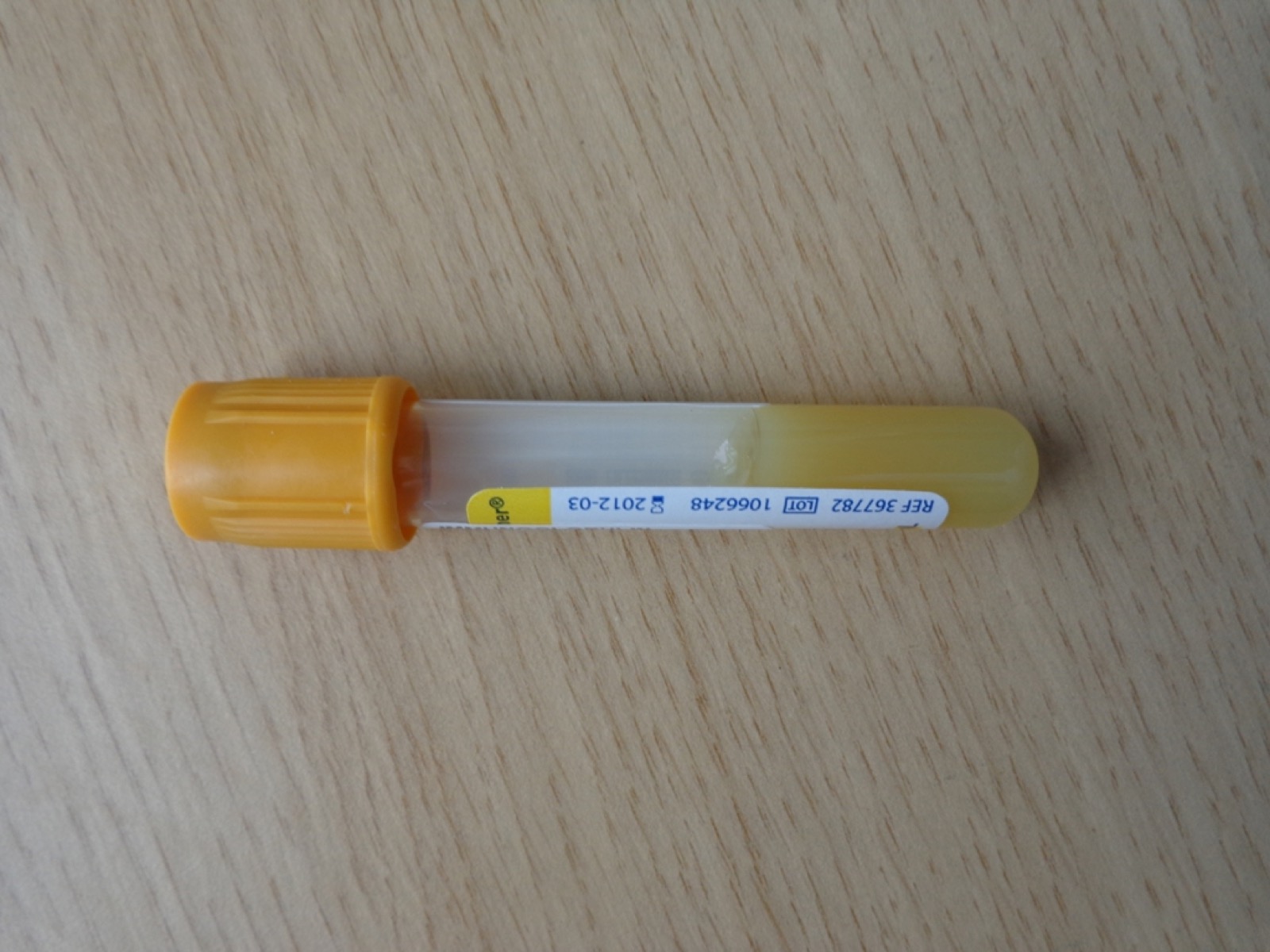
Breast Cancer Drug Approval Shows How FDA Pairs a Companion Diagnostic With a Drug
FDA's Sept. 18 approval of Inluriyo with Verzenio for ESR1-mutated breast cancer came with a blood test to find eligible patients, a device the drug's label depends on.

Delayed-Studies Report Shows How FDA-Ordered Postmarket Studies Work
FDA can require more research after a drug or device reaches the market, through post-approval studies, Section 522 orders and drug postmarketing requirements, and it tracks their status in public databases.
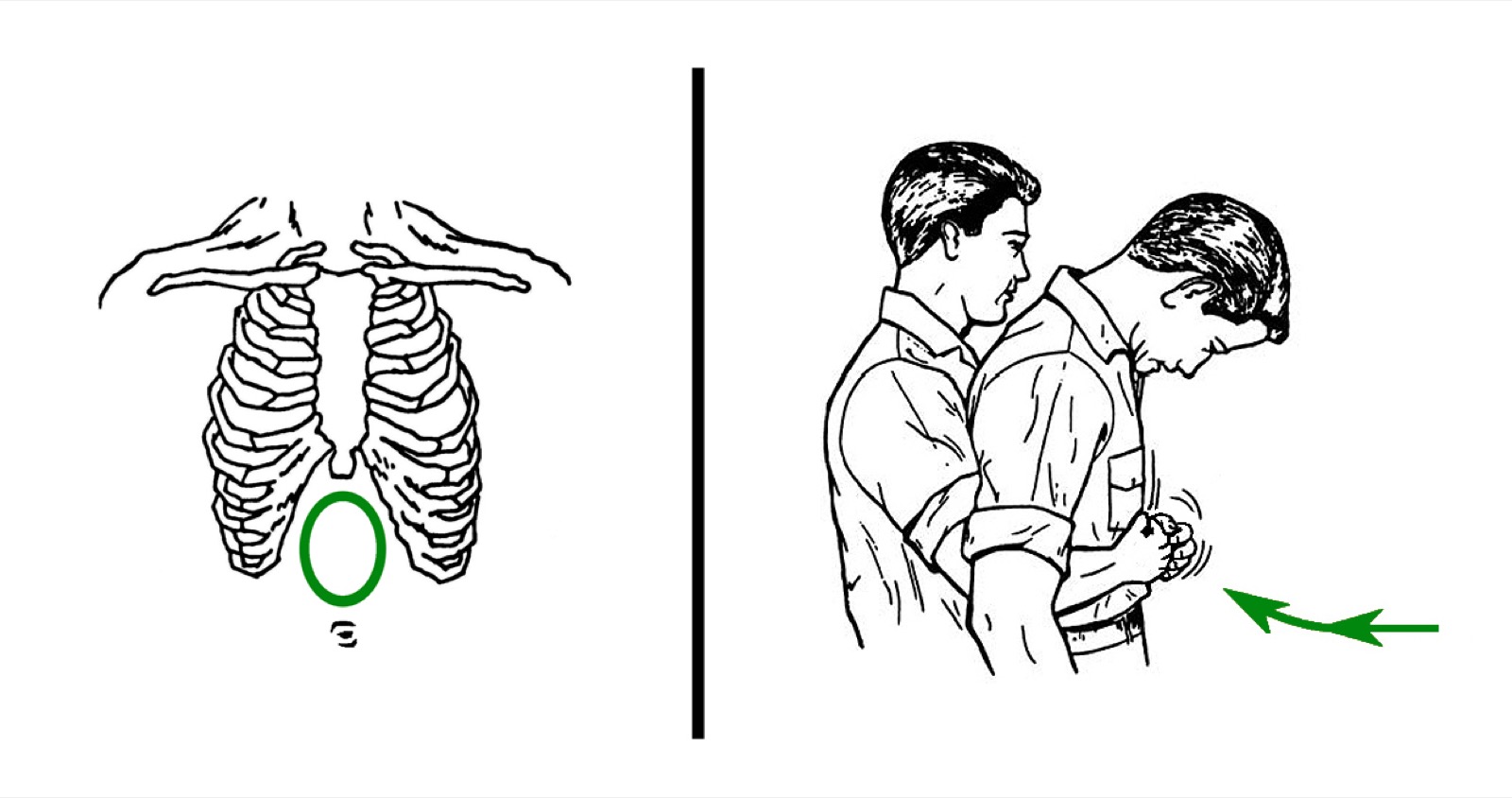
Anti-Choking Devices in Schools Show Why FDA Registration Is Not Authorization
Only one suction anti-choking device has FDA marketing authorization, and only as a second-line option, a distinction that a listing in FDA's registration database does not convey.
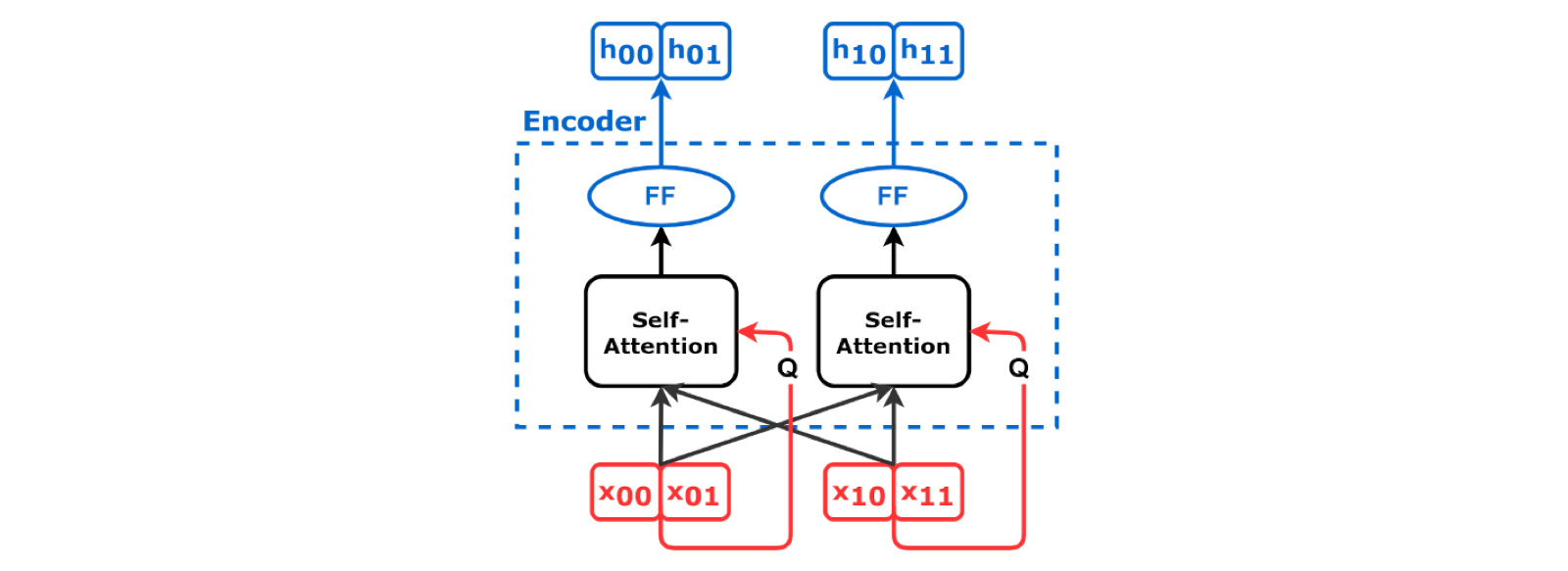
How FDA Reviews AI-Enabled Devices, and Why Generative AI Tests the System
More than 1,500 AI-enabled devices have FDA authorization through the usual premarket pathways, none of them generative, and the agency is asking how its tools would need to change.
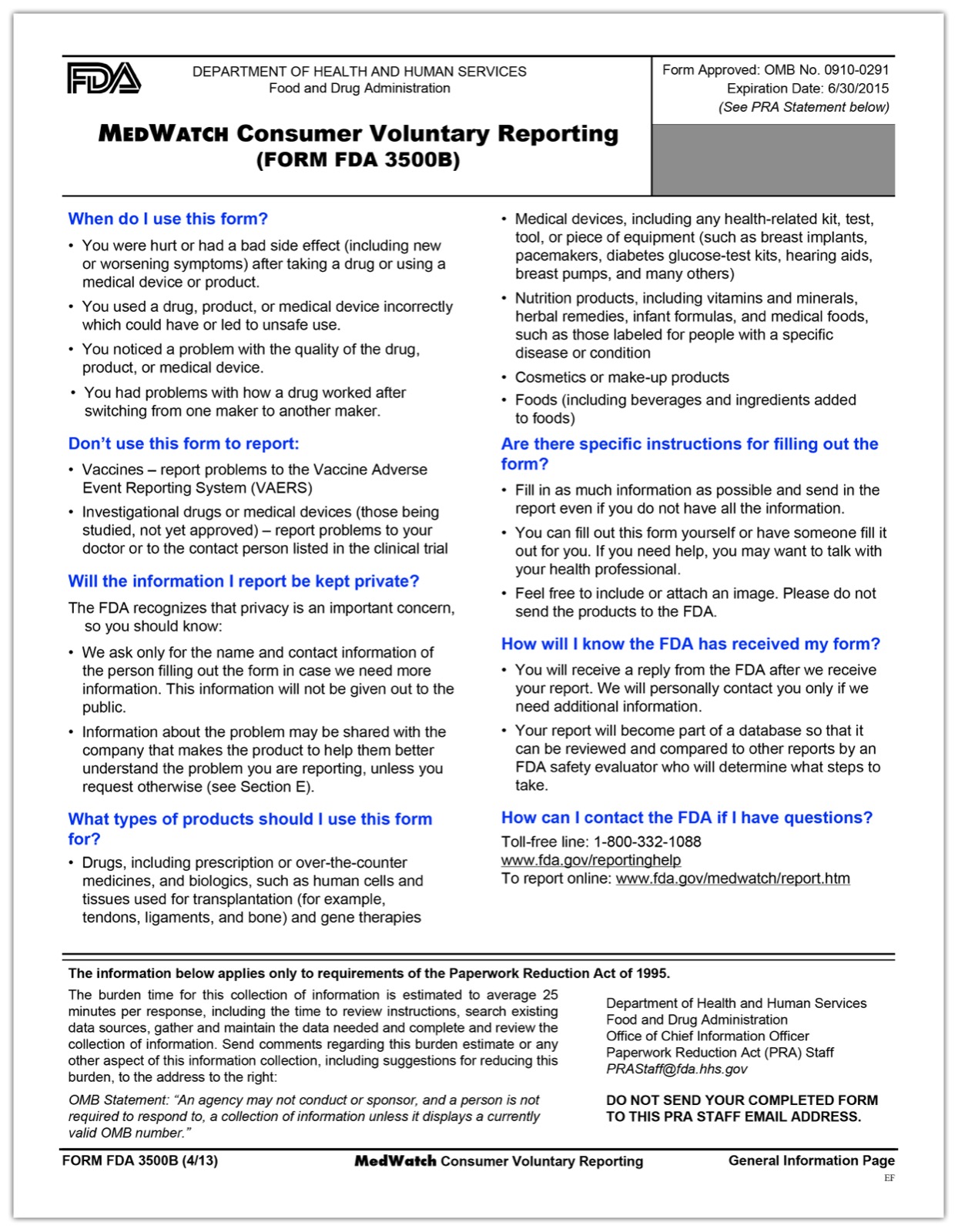
Boston Scientific Lead Recall Shows What FDA's MAUDE Reports Can and Cannot Show
An injury count in an FDA recall notice comes from the same mandatory reporting system that feeds the agency's public adverse event database, which FDA says cannot be used to measure how often problems occur.
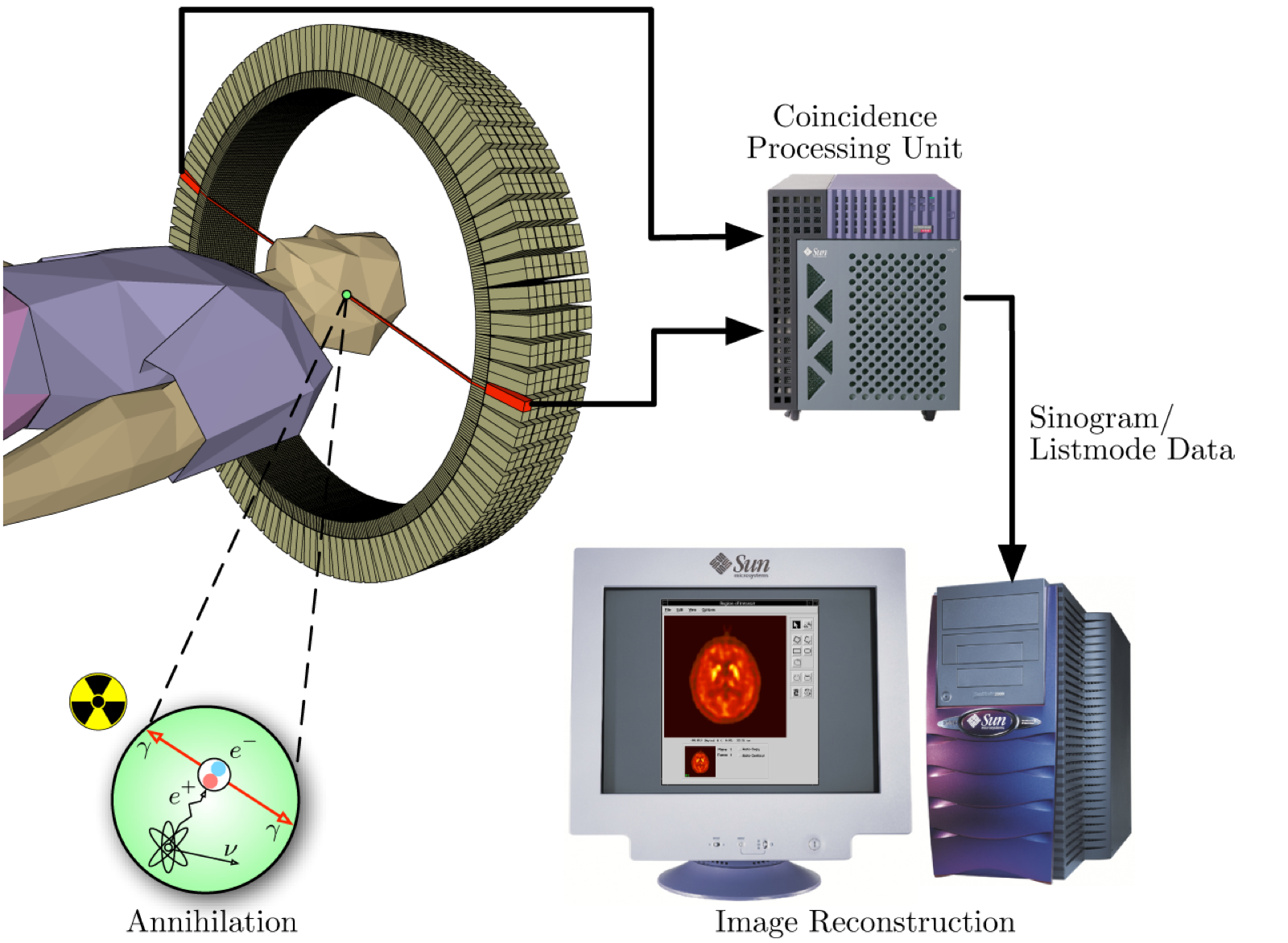
Juniper Tracer Designation Shows How FDA's Breakthrough Therapy and Fast Track Programs Work
A PET imaging agent meant to guide lower radiation doses in throat cancer received a drug-development designation that buys closer FDA guidance, not a lower bar for approval.
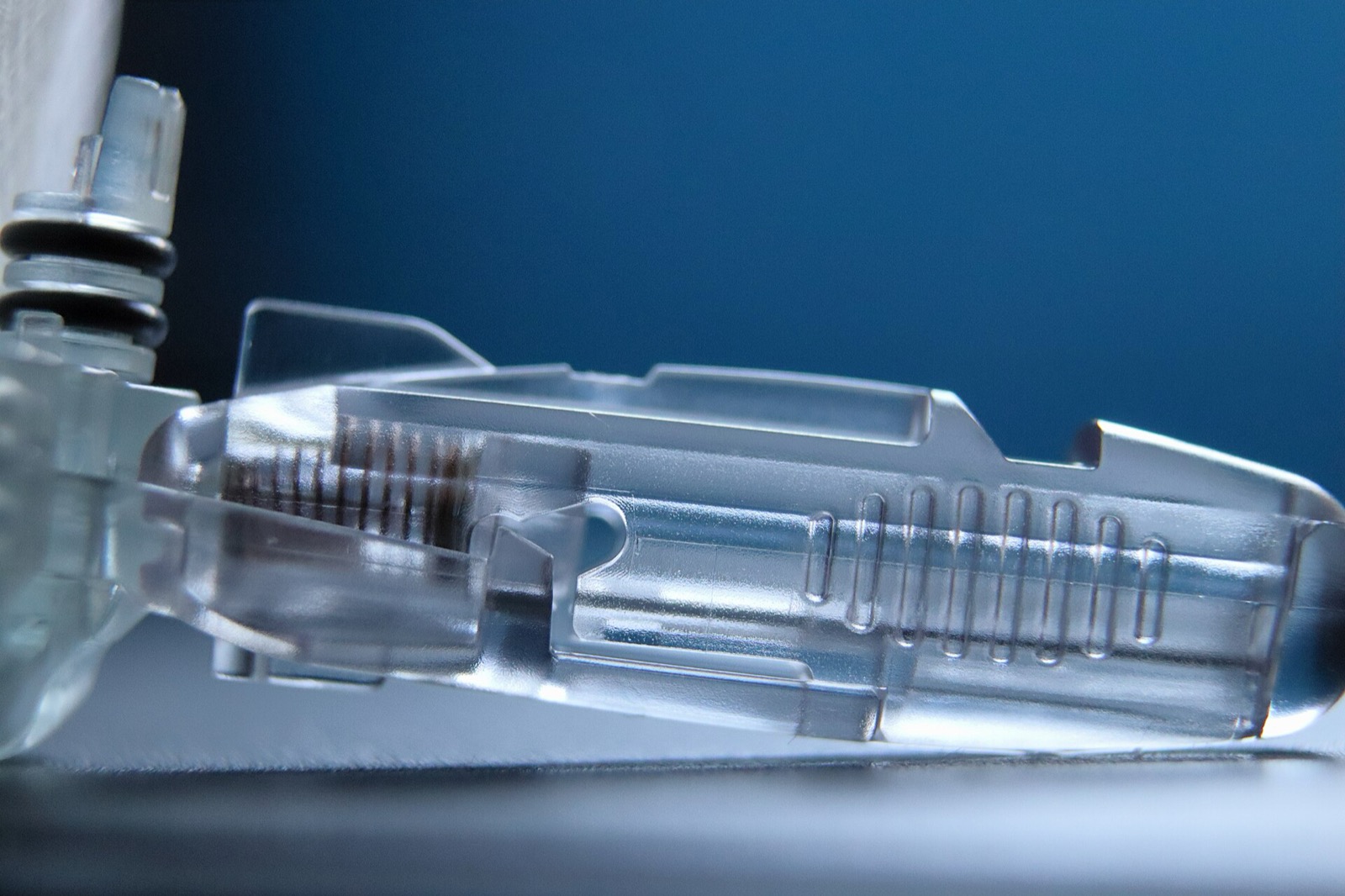
How Medicare Local Coverage Determinations Work as CGM Makers Await a Decision
Medicare coverage of continuous glucose monitors is set not in Washington's national policies but in a local coverage determination written by the contractors that pay equipment claims.
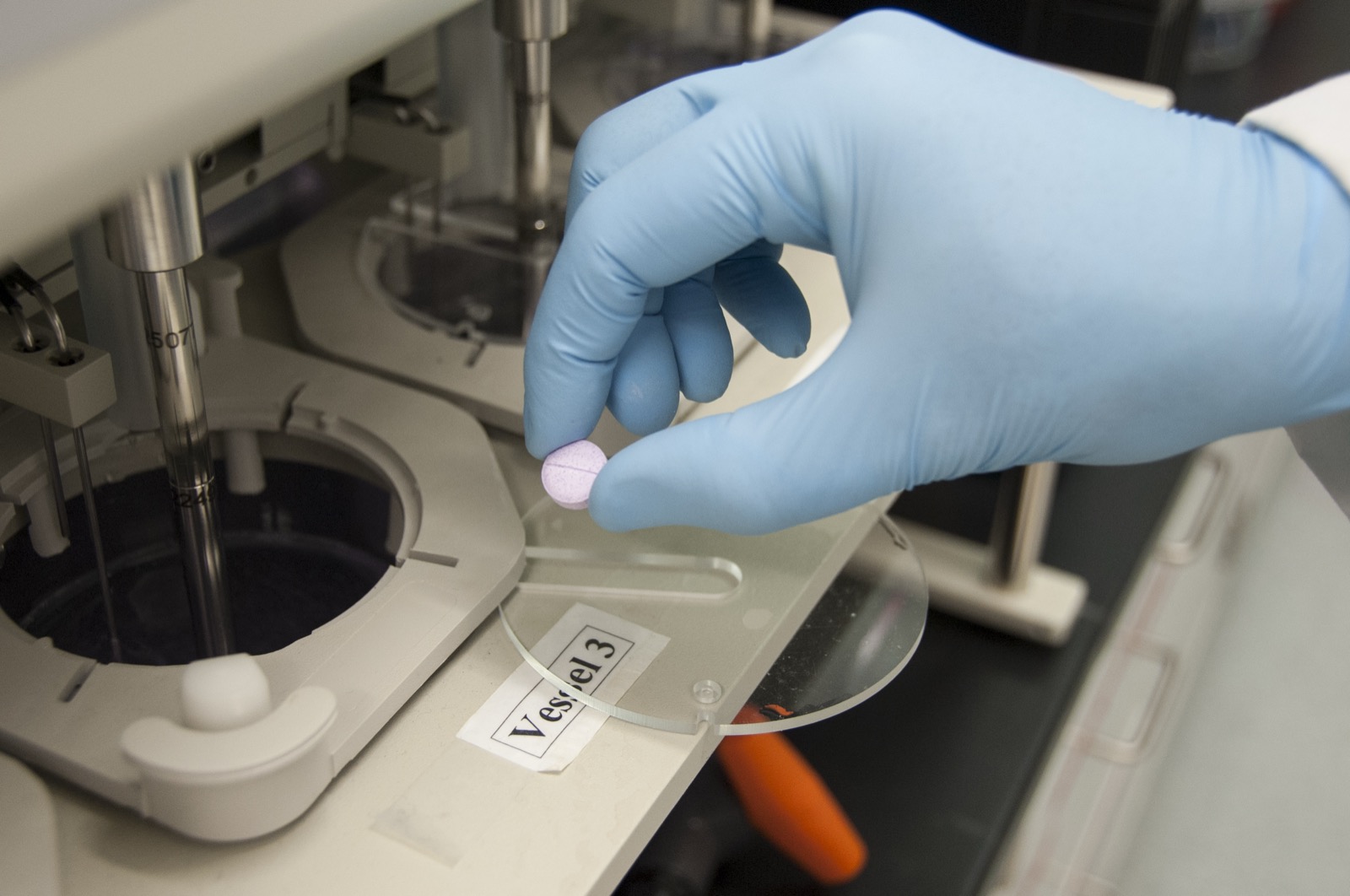
FDA Final Guidance Shows How Orange Book Therapeutic Equivalence Codes Work
The two-letter codes that tell pharmacists and states which generics FDA considers interchangeable rest on approval pathways that differ in what they require and what they promise.
FDA Accessory Proposal Shows How Device Classes I, II and III Work
A Federal Register notice would move seven kinds of device accessories, from blood pressure tubing to catheter plugs, into the lowest-risk class, a reminder that a device's class decides how it reaches the market.
OncoSil Decision Shows How FDA's Humanitarian Device Exemption Works
A radiation implant for a rare bile duct cancer reached the US market through a pathway that asks for probable benefit rather than proof of effectiveness, with limits on profit and where the device can be used.
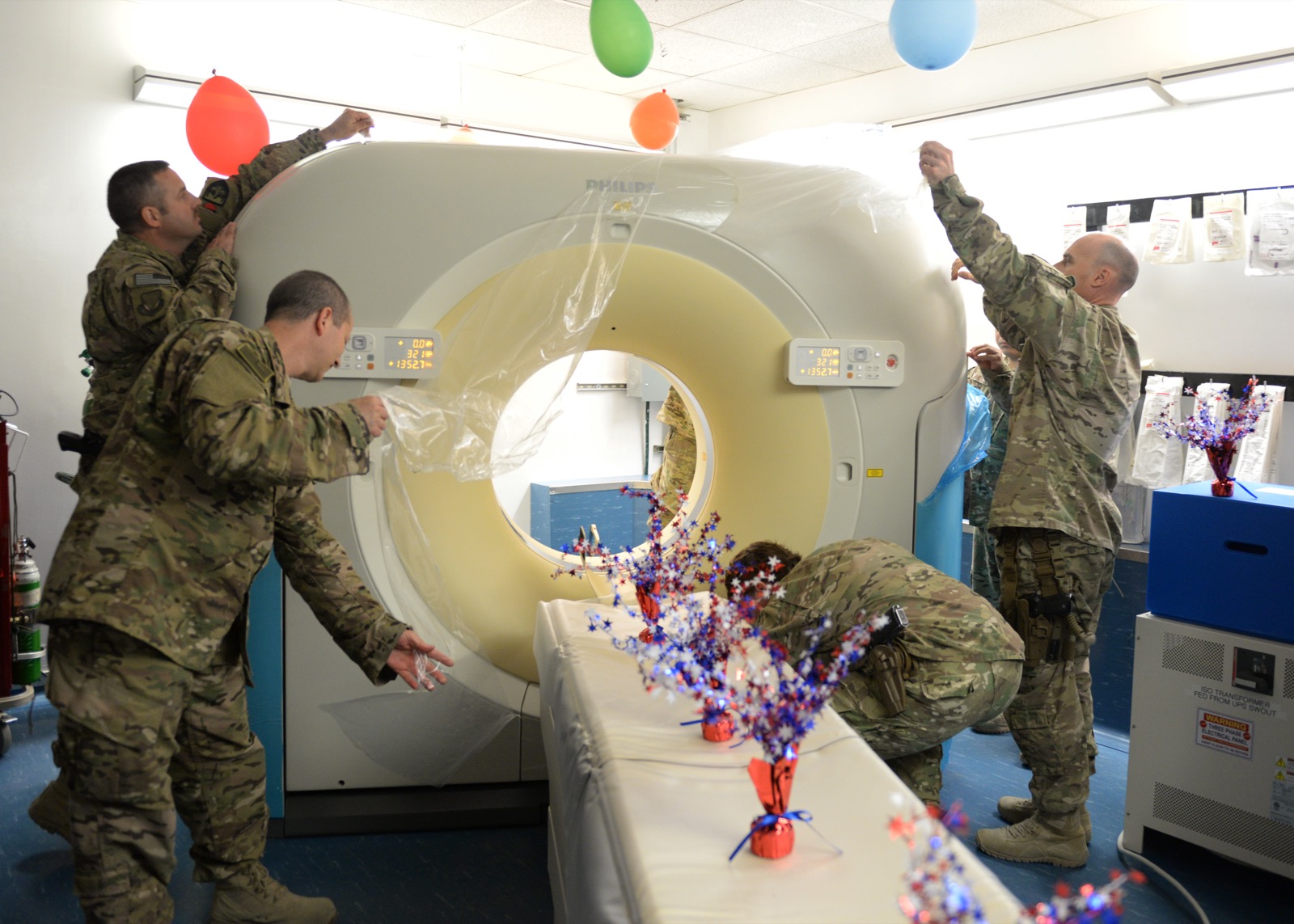
Aidoc CT Triage Add-On Shows How Medicare's NTAP Payments Work
An AI tool that flags urgent findings on CT scans will qualify for an extra inpatient payment from Oct. 1, under a program that covers part of a new technology's cost while Medicare's regular rates catch up.
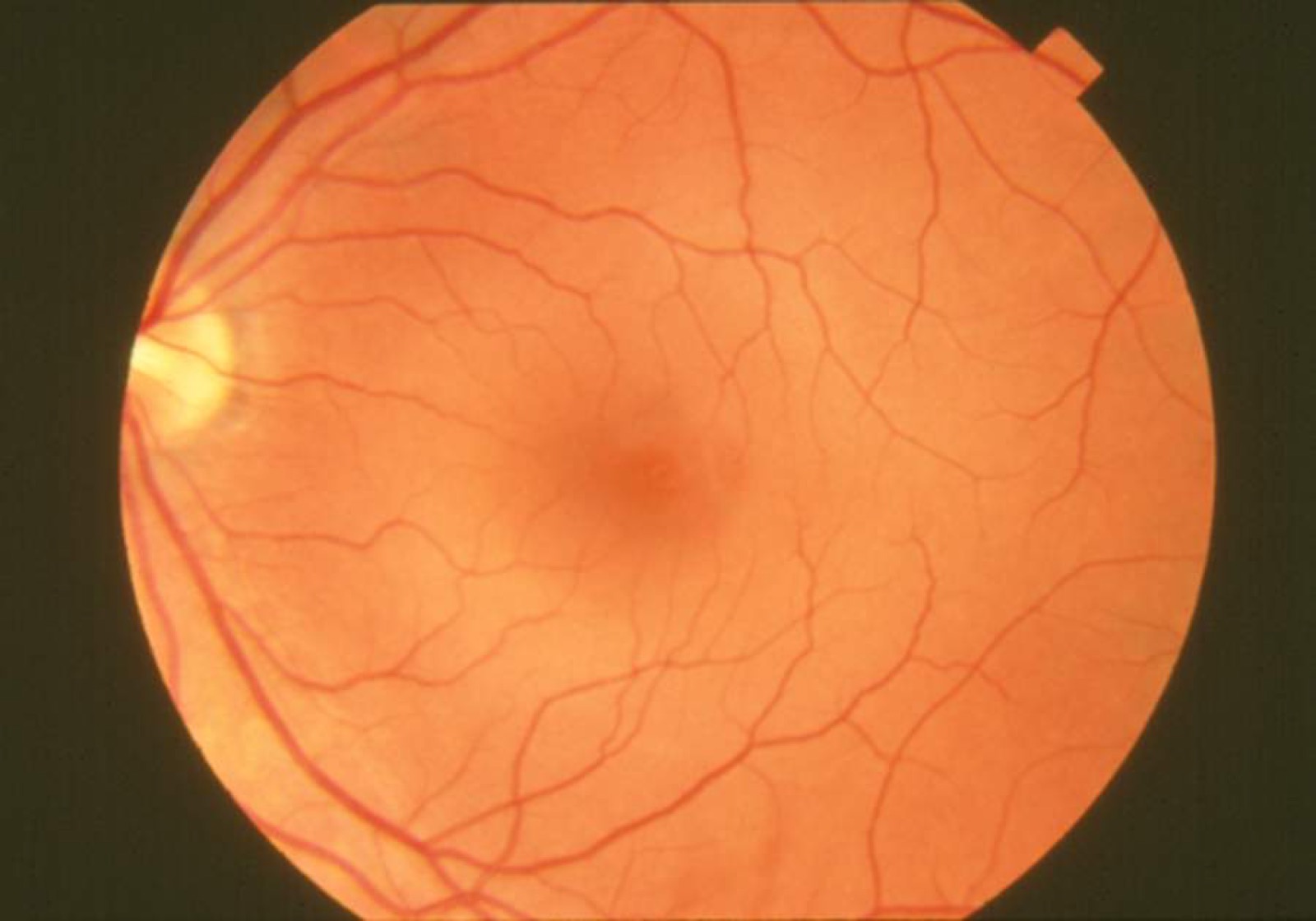
How FDA Priority Review Works as Tinlarebant Gets a February Goal Date
Belite Bio's Stargardt disease application now has a six-month review clock, a timetable set by user-fee goals rather than a lower bar for approval.

FDA IND Pilot Plan Shows How First-in-Human Drug Trials Get the Green Light
FDA's biologics chief says early US trials are losing ground to China; the rules he wants to speed up rest on a 30-day review clock and the agency's power to order a clinical hold.

Adagio Ablation Case Shows How FDA Expanded Access Works for Unapproved Devices
An investigational cardiac ablation catheter was used outside its pivotal trial under FDA expanded access, a set of three routes with different triggers, paperwork and limits.
Replimune Panel Vote Shows How FDA Complete Response Letters and Resubmissions Work
RP1 reached an advisory committee on its third try after two rejection letters, and the rules for those letters set how and how fast a company can come back.
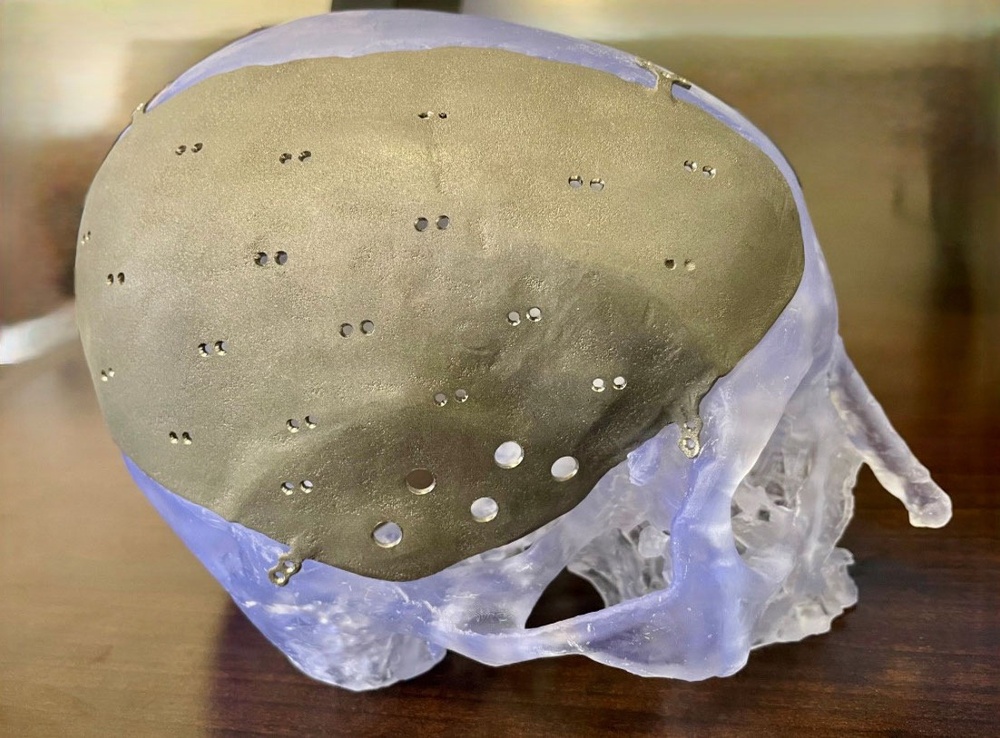
Walter Reed Cranial Plate Shows How FDA Regulates 3D-Printed Devices Made at Hospitals
A military hospital's printing center cleared its own patient-matched titanium implant through a 510(k), taking on the obligations a device manufacturer normally carries.

Peptide Votes Show How FDA Decides What Pharmacies May Compound
An advisory panel's narrow votes on four unapproved peptides are one step in a process that runs through the 503A bulks list and notice-and-comment rulemaking.
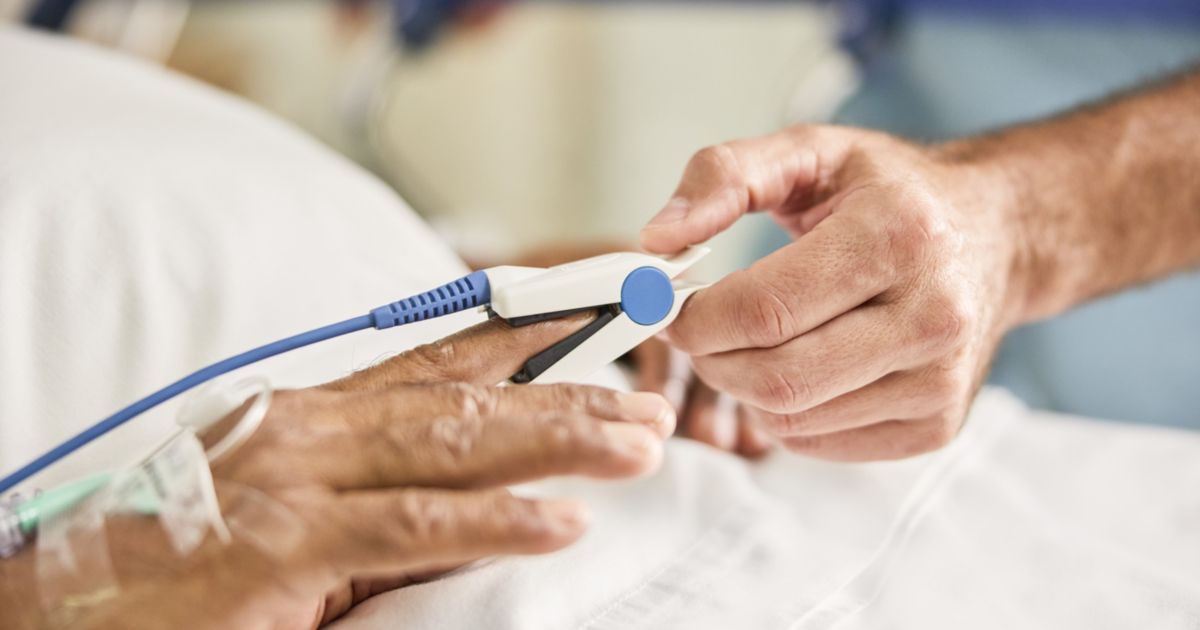
Philips Sensor Clearance Shows How FDA Tests Pulse Oximeters Across Skin Tones
A new clip sensor's skin-pigmentation figures arrive while FDA's 2025 draft recommendations on testing pulse oximeters across skin tones remain unfinished.
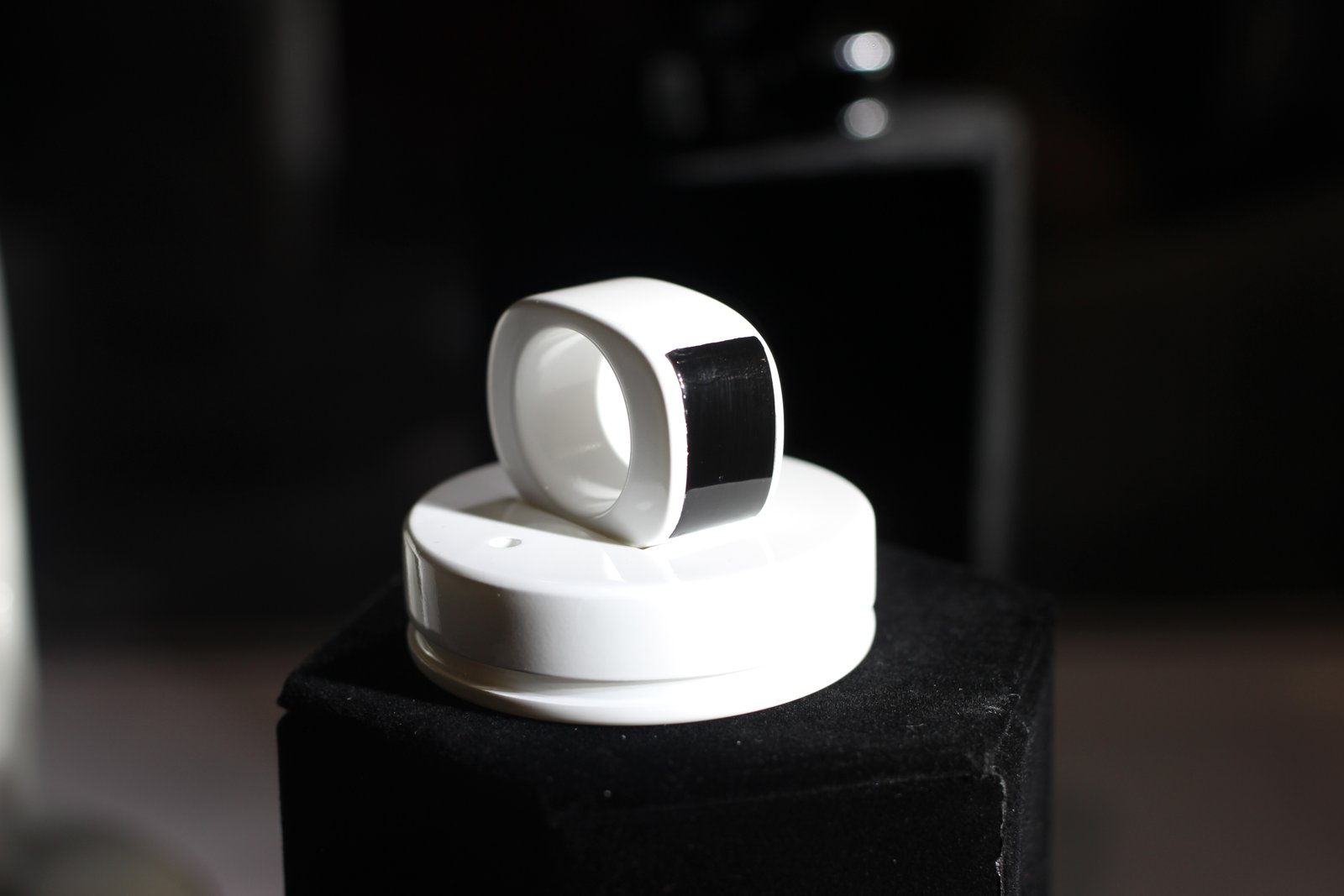
Cuffless Blood Pressure Ring Shows Where FDA Draws the Wellness Line
A $399 ring that reports blood pressure numbers launched without FDA clearance, testing a January 2026 policy that lets some sensor-based wellness products skip device review.
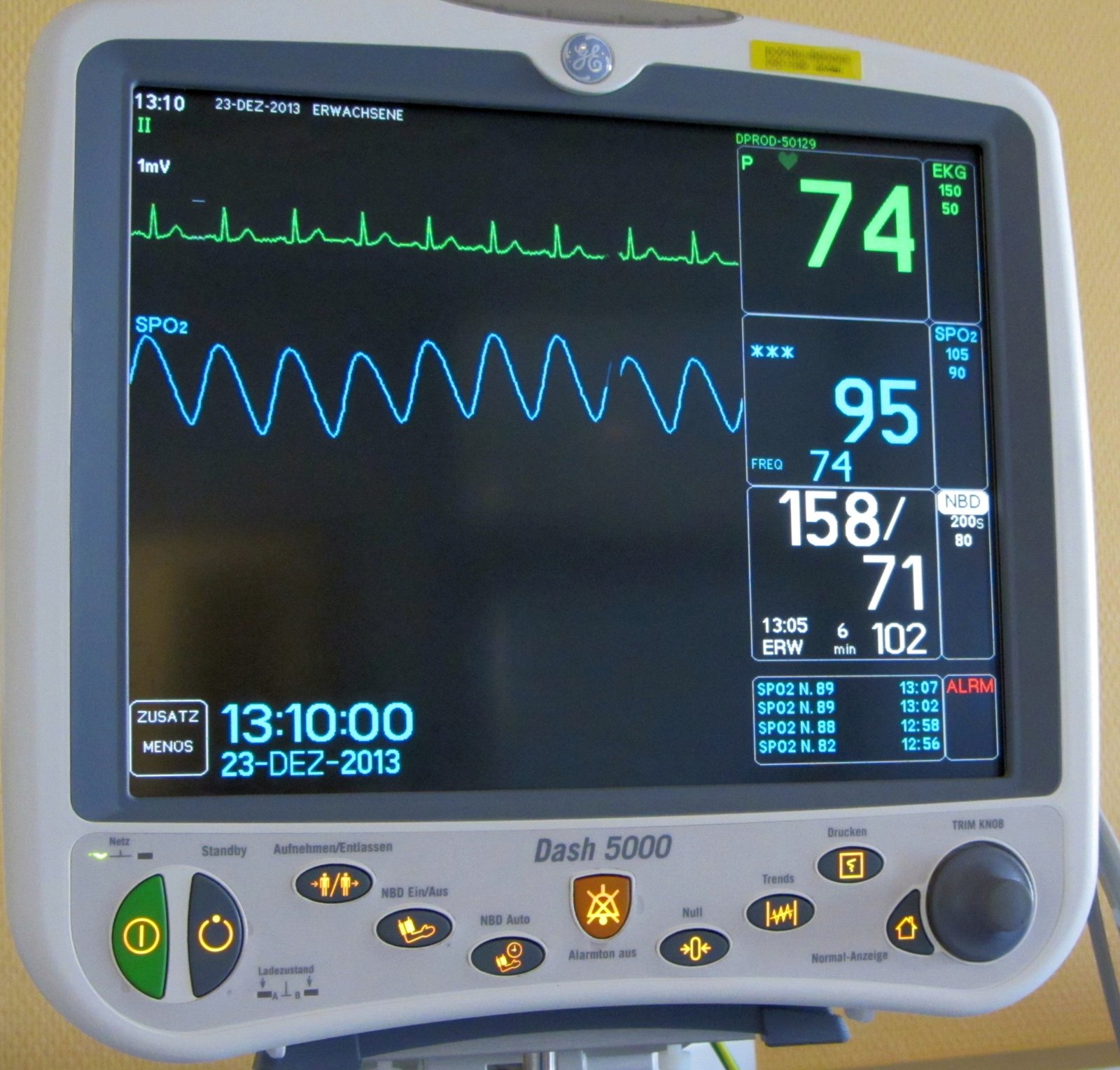
China Device Bill Shows How FDA Cybersecurity Rules Apply to Connected Devices
A Senate proposal targets networked devices cleared before March 2023, the point at which a 2022 law began requiring cybersecurity plans and software bills of materials in premarket submissions.

Sarclisa On-Body Injector Approval Shows How FDA Regulates Combination Products
When a drug or biologic is paired with a delivery device, federal rules decide which FDA center leads the review by asking which part does the main therapeutic work.
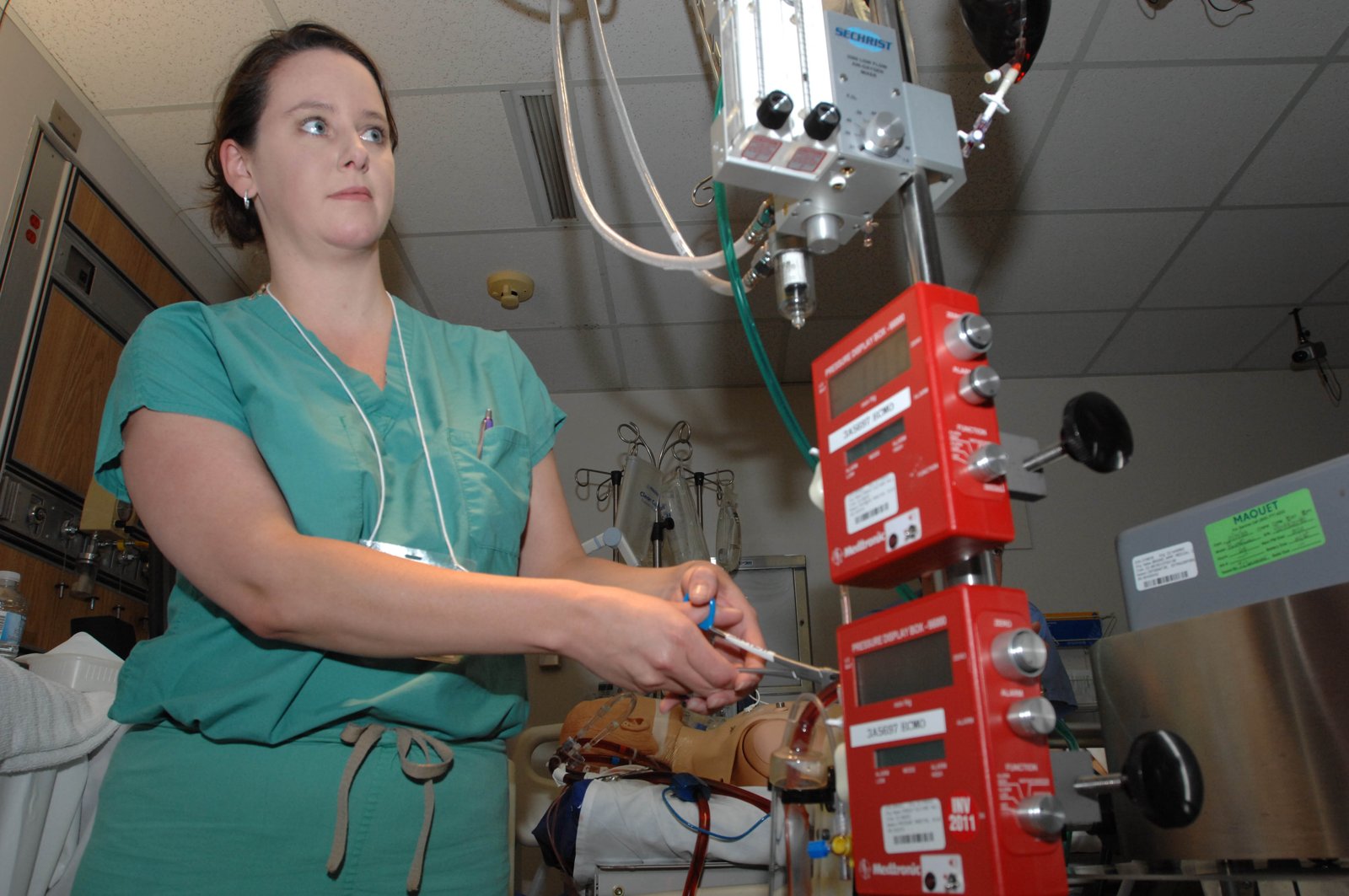
FDA Shortage List Update Shows How Medical Device Shortages Are Tracked
Six device types now sit on a list that Congress requires FDA to keep, built largely from manufacturer notifications under section 506J of the drug and device law.