Anti-Choking Devices in Schools Show Why FDA Registration Is Not Authorization
Only one suction anti-choking device has FDA marketing authorization, and only as a second-line option, a distinction that a listing in FDA's registration database does not convey.

Key points
- Texas requires public school campuses to keep a suction anti-choking device where students eat if districts can obtain one through donations or dedicated funds, Medical Daily reported on Sept. 10.
- FDA's databases list one authorized suction anti-choking device, LifeVac, granted through De Novo (DEN250012) on March 4, 2026, as a second-line treatment after a standard choking protocol fails.
- Under 21 CFR 807.39, registering a device establishment or listing a device with FDA does not denote approval, and FDA says a registration entry is not clearance or authorization.
Schools in Texas are now stocking suction anti-choking devices, but only one such device has FDA marketing authorization, and that authorization covers use only after standard first aid has failed, Medical Daily reported on Sept. 10. The report said a Texas law requires each public school campus to keep a device where students eat if the district can obtain one through donations or dedicated funds, and that New York City has passed a similar requirement that has not taken effect.
The story turns on two pieces of FDA vocabulary that are easy to confuse: being registered with the agency, and being authorized by it.
What registration and listing are
Companies that make or distribute medical devices for the US market must register their establishments with FDA every year and generally list the devices made there, according to the agency's registration and listing page. FDA says the system tells it where device establishments are and which devices are made at them. When a device needs premarket review, the listing should include the submission number, such as a 510(k), De Novo or PMA.
A listing is not a review. Federal regulation 21 CFR 807.39 states that registration or a registration number "does not in any way denote approval of the establishment or its products," and that any representation creating "an impression of official approval" because of registration is misleading and constitutes misbranding.
FDA applied that point directly to this product category in its safety communication on choking rescue, last updated March 4. The agency said it is aware of anti-choking manufacturers that have registered and listed their devices, and that the resulting database entry "does not denote approval, clearance or authorization" of the facility or its devices. FDA said it continues to notify manufacturers that listed products under an incorrect classification that they must comply with device requirements. It also said it issued an import alert on Oct. 8, 2025, listing multiple suction anti-choking devices not authorized for US distribution.
What authorization looks like
Authorization comes through a premarket pathway, and the record shows it. FDA's De Novo database entry DEN250012 shows a request from LifeVac LLC of Nesconset, New York, received April 11, 2025, and granted March 4, 2026, under regulation number 874.5400 and product code QXN, reviewed by the ear, nose and throat panel.
The grant created a new device type whose name carries its limit: "suction anti-choking device as a second-line treatment." FDA's product classification entry places it in Class II and says the device is intended to be used "as a second-line treatment in an emergency situation after unsuccessful use of a basic life support (BLS) choking protocol." Because a De Novo grant sets up a classification, later devices of the same type can seek clearance by comparing themselves with it; the classification entry lists 510(k) as the submission type and says the type is not eligible for third-party review.
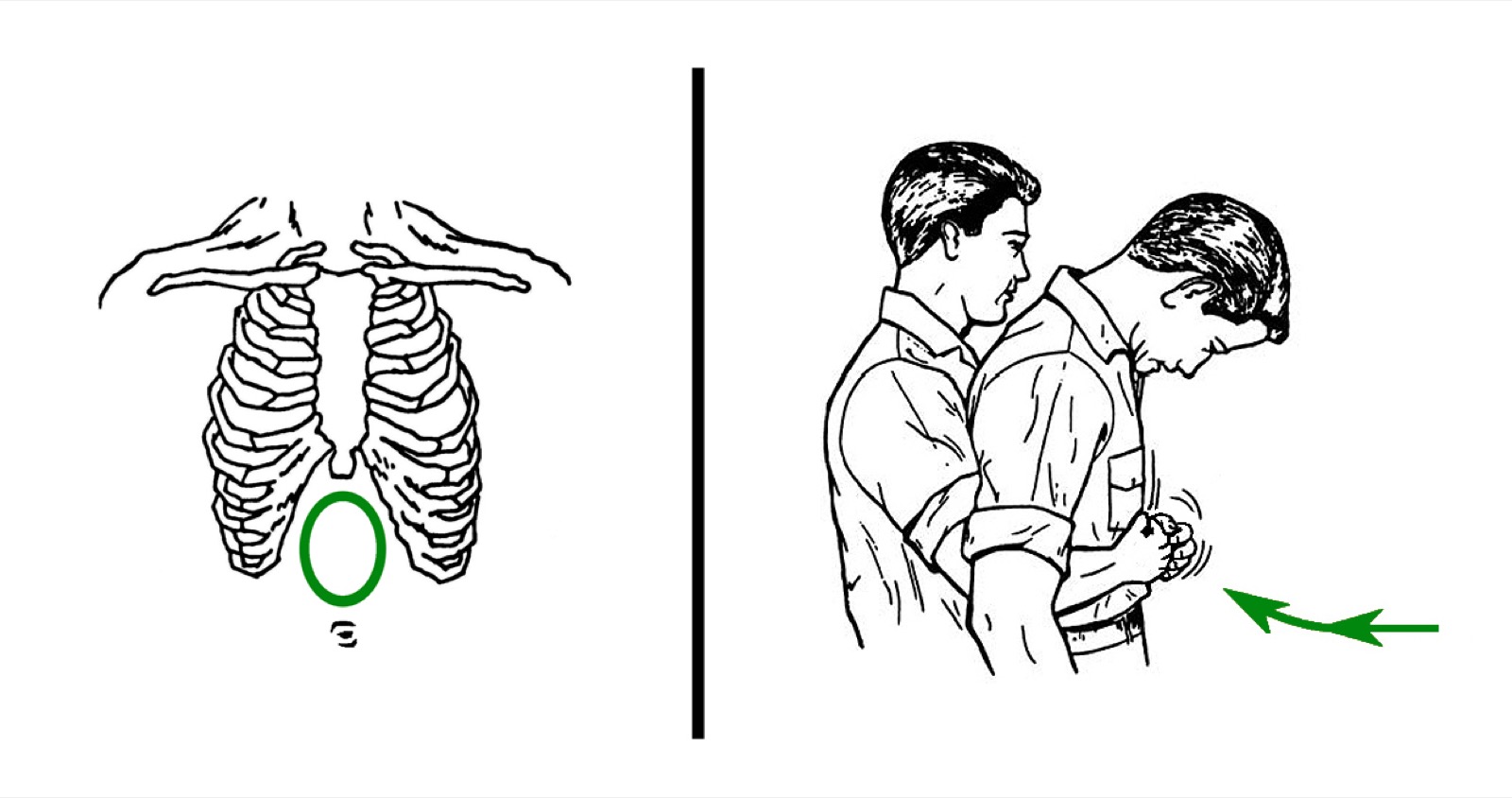
That wording shows how intended use defines what FDA has authorized. The safety communication says established protocols from the American Red Cross and the American Heart Association, which use back blows and abdominal thrusts, are "the most effective method" to relieve airway obstruction, and that anti-choking devices may be used as a second option if they fail. FDA said using a device first "could delay critical life-saving action," in part because it may have to be unpacked and assembled. The agency said it has received reports of devices failing to resolve choking because of a lack of suction, along with bruising around the face and mouth and scratches in the back of the throat.
How the record can be checked
FDA's communication says whether a device has been evaluated can be checked in its De Novo, PMA and 510(k) databases, and notes that some of these devices are made by several companies and sold under multiple brand names. As of March 4, it said, one anti-choking device had been authorized.
The communication also records an enforcement history. FDA said it sent DeChoker LLC a warning letter in 2021 over quality system requirements, and that it removed a September 2025 warning letter to LifeVac from its list of actions after issuing a close-out letter on March 4, the day of the De Novo grant.
Medical Daily reported that New York City's requirement applies only once a device is authorized for school-age children and the Red Cross or the American Heart Association issues formal guidance on the devices.
Sources
- Schools Are Stocking Anti-Choking Suction Devices, but Only One Is FDA Authorized and Only as a Backup, Medical Daily, September 10, 2026
- Update: FDA Encourages the Public to Follow Established Choking Rescue Protocols - FDA Safety Communication, U.S. Food and Drug Administration, March 4, 2026
- De Novo Classification Request DEN250012: LifeVac, U.S. Food and Drug Administration, March 4, 2026
- Product Classification: Suction Anti-Choking Device As A Second-Line Treatment (QXN), U.S. Food and Drug Administration
- Device Registration and Listing, U.S. Food and Drug Administration
- 21 CFR 807.39: Misbranding by reference to establishment registration or to registration number, Electronic Code of Federal Regulations