Cuffless Blood Pressure Ring Shows Where FDA Draws the Wellness Line
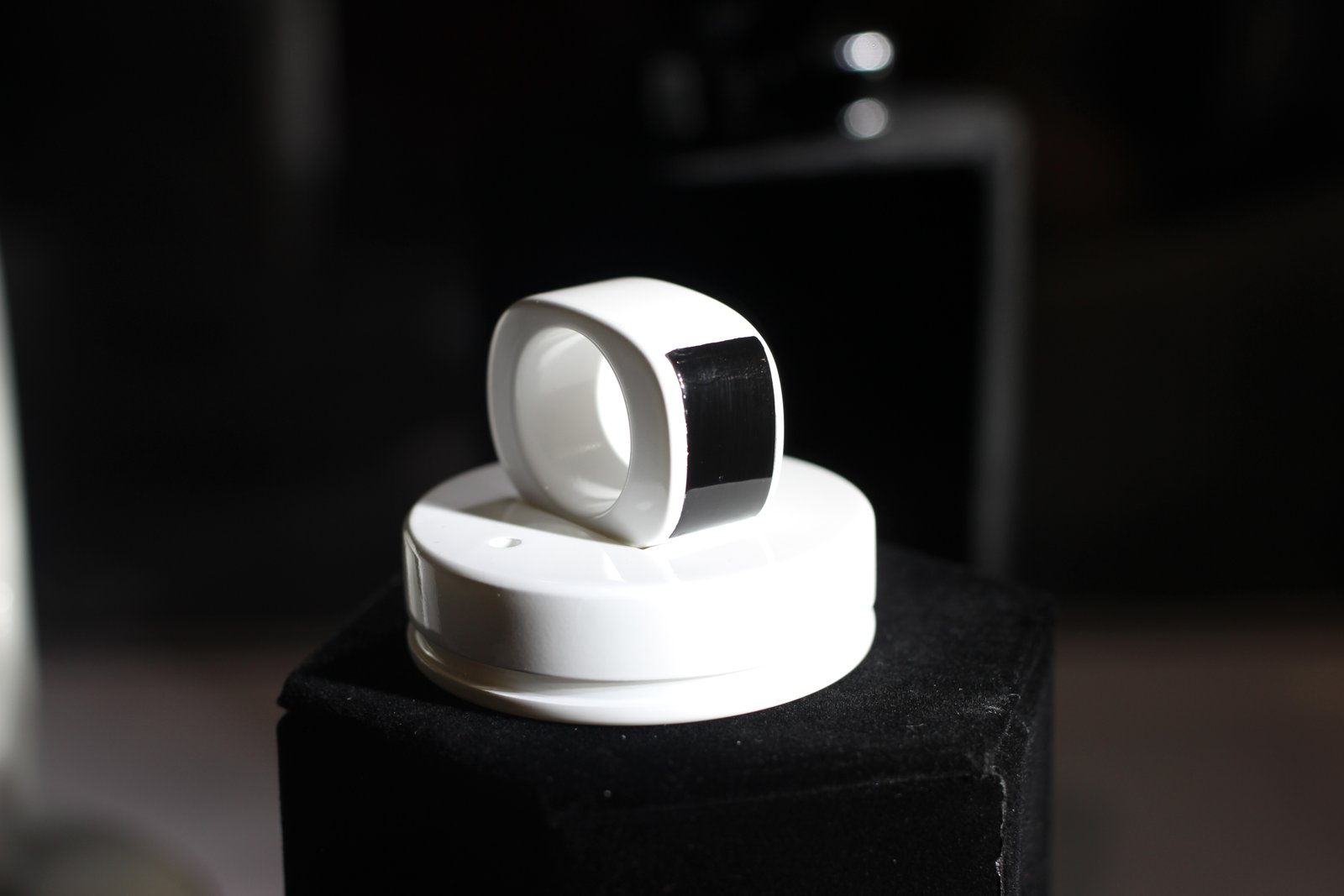
A $399 ring that reports blood pressure numbers launched without FDA clearance, testing a January 2026 policy that lets some sensor-based wellness products skip device review.

Key points
- Vital Signals launched its Signal Ring on July 16; the company's release says the ring has not been reviewed or cleared by FDA and is investigational.
- FDA's January 2026 general wellness guidance says non-invasive products that estimate values such as blood pressure may be wellness products if their outputs are solely for wellness uses and meet listed conditions.
- The same guidance says products intended to measure physiologic values for screening, diagnosis, monitoring or disease management, including blood pressure monitors, are not wellness products.
Health technology startup Vital Signals launched a $399 smart ring on July 16 that it says gives systolic and diastolic blood pressure readings from the finger without a cuff for setup or calibration, Android Authority reported. The company's launch release, read via Fitt Insider, states: “Signal Ring has not yet been reviewed or cleared by the FDA. It is currently investigational.”
Digital Trends reported that the ring is launching as a wellness device without FDA clearance, with shipping scheduled to begin in October, citing Bloomberg. It said Vital Signals is separately testing a medical-grade version designed to diagnose hypertension, with trial results not yet published.
A consumer gadget that shows blood pressure numbers sits on a line FDA redrew this year, between general wellness products and regulated medical devices.
The two-part wellness test
FDA's general wellness guidance, issued on Jan. 6, 2026, replaced a 2019 version. It says CDRH does not intend to examine low-risk general wellness products to decide whether they are devices or whether they meet device requirements, including registration and listing, premarket notification, labeling, manufacturing quality rules and adverse event reporting.
To qualify, a product must meet two factors: it is intended only for general wellness use, and it presents a low risk to users and others. The guidance document rules out as low risk any product that is invasive, meaning it pierces the skin or mucous membranes, any implant, and any technology that may pose a risk without specific regulatory controls, such as lasers or radiation.
What changed for sensor-based estimates
The 2026 guidance addresses wearables directly. FDA may consider products that use non-invasive sensing, such as optical sensors, to estimate parameters including blood pressure, oxygen saturation and blood glucose to be general wellness products when the outputs are intended solely for wellness uses. Conditions apply: the product must not be intended for diagnosing or treating disease, must not substitute for an FDA-authorized device, must not prompt or guide specific clinical action, and must not display values that mimic clinical ones “unless validated (e.g. manufacturer testing, peer-reviewed clinical literature) to reflect those values.”
Such products may show values, ranges, trends and baselines in the context of sleep, activity, stress or recovery. They fall outside the policy if their labeling, advertising, interface or functions name specific diseases or diagnostic thresholds, issue alerts that call for clinical action, offer treatment guidance, claim clinical accuracy or medical grade, or state an intended use aimed at diagnosis, screening, monitoring or disease management. The guidance names blood pressure monitors and sphygmomanometers among products that are not general wellness products. A notice suggesting that a professional evaluation may be helpful is allowed, provided it names no condition and sets no clinical threshold.
The earlier warning
FDA took a firmer line four months before the guidance. In a September 2025 safety communication on unauthorized devices that claim to measure or estimate blood pressure, including software features on smartwatches and smart rings, the agency said such devices “are required to receive FDA marketing authorization to be lawfully marketed in the United States.” It said they did not fall within the wellness policy because they were not intended solely for general wellness use and were not low risk. FDA said authorized blood pressure devices will generally carry the product code DXN in its 510(k) database.
The January guidance says FDA expects a wellness product's labeling and marketing to be consistent with, and not exceed, its stated intended use.
Sources
- This new smart ring wants to change how you track blood pressure, Android Authority, July 16, 2026
- Signal Ring Unveils World's First Truly Cuffless Blood Pressure Tracker for Everyday Wear (Vital Signals release, read via Fitt Insider), Vital Signals, via Fitt Insider, July 16, 2026
- This smart ring makes a blood pressure promise Apple and Oura still won't, Digital Trends, July 16, 2026
- General Wellness: Policy for Low Risk Devices (guidance page), U.S. Food and Drug Administration, January 6, 2026
- General Wellness: Policy for Low Risk Devices (guidance document), U.S. Food and Drug Administration, January 6, 2026
- Do Not Use Unauthorized Devices Measuring Blood Pressure: FDA Safety Communication, U.S. Food and Drug Administration, September 16, 2025