FDA Shortage List Update Shows How Medical Device Shortages Are Tracked
Six device types now sit on a list that Congress requires FDA to keep, built largely from manufacturer notifications under section 506J of the drug and device law.

Key points
- FDA's medical device shortage list, last updated June 16, 2026, names six product codes, from neurosurgical patties to oxygenators used in extracorporeal circulation.
- Section 506J of the Federal Food, Drug, and Cosmetic Act requires FDA to keep a public, up-to-date list of devices it has determined to be in shortage, and a separate list of permanent discontinuances.
- The law defines a shortage as a period when US demand or projected demand for a device exceeds its supply; FDA says a listing does not necessarily mean patient care has been affected.
The FDA's list of medical devices in shortage has shrunk to six entries, In Compliance Magazine reported on July 9, including two surgery-specific devices and two that provide cardiovascular circulatory support. The same update brought a separate list of roughly 140 devices whose manufacturers have permanently stopped making them, the magazine said.
The list is not a voluntary courtesy. It is a legal requirement, and the way FDA builds it explains both what a listing means and what it does not.
What is on the list
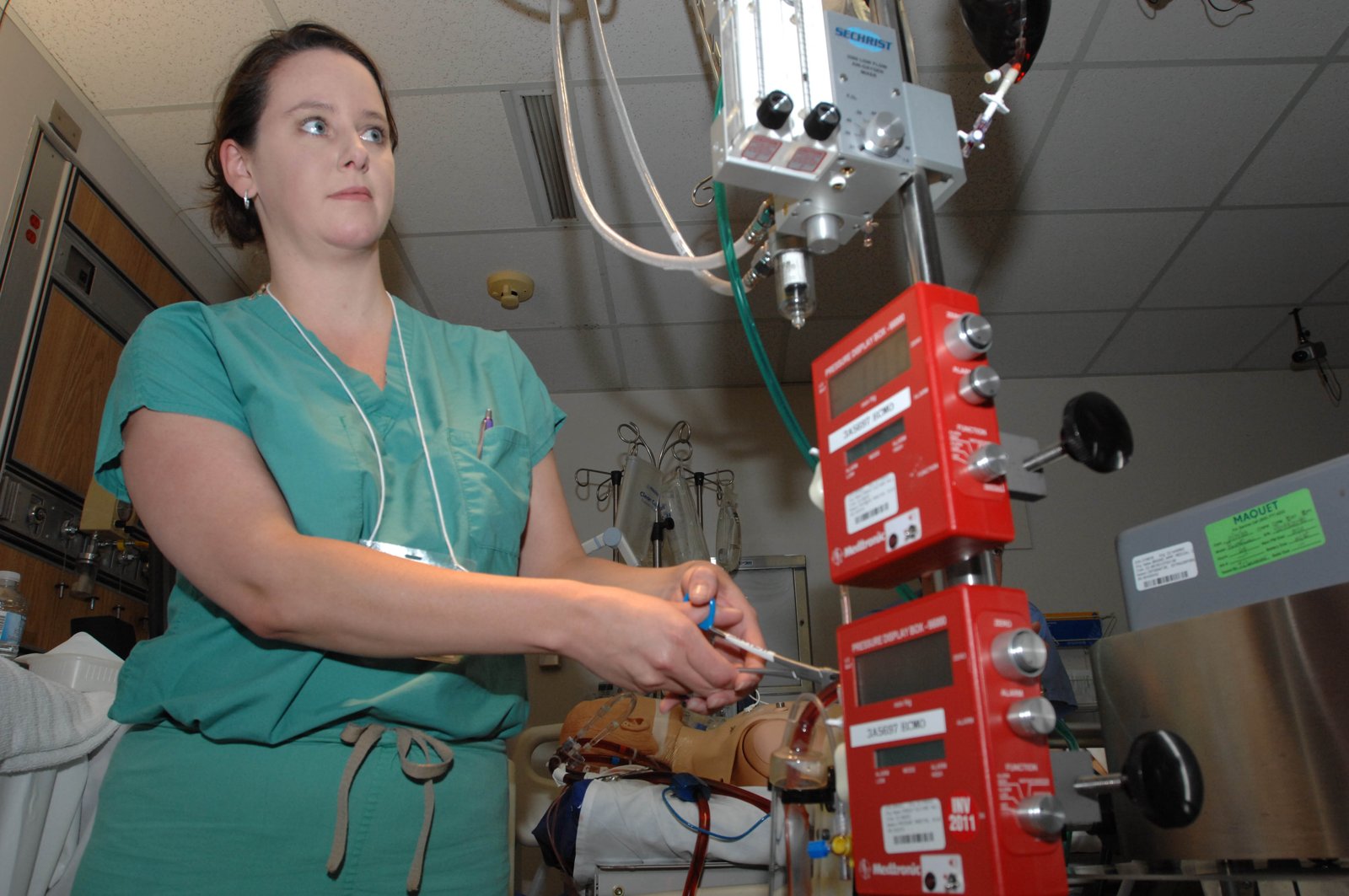
FDA's shortage list page, in the version current as of June 16, 2026, names the device types by FDA product code. They are neurosurgical patties (HBA), listed since May 6 and estimated to be short through the fourth quarter of 2026; stereotactic breast biopsy needles (KNW); angiographic control syringes with rotating adapters (DXT); endoscopic vessel harvesting systems (GEI); and two codes for oxygenators used in extracorporeal circulation (BYS and DTZ).
The June 16 update removed bloodlines used in dialysis from the list and pushed the estimated end of the oxygenator, vessel harvesting and biopsy needle shortages to the first quarter of 2027. For several entries, including the biopsy needles and the patties, FDA has issued letters to health care providers. Each entry gives the reason for the interruption as reported under section 506J; for all six, that reason is a shortage or discontinuance of a component, part or accessory of the device.
Where the list comes from
Section 506J of the Federal Food, Drug, and Cosmetic Act requires FDA to keep a publicly available, up-to-date list of devices it has determined to be in shortage. The law defines a shortage as “a period of time when the demand or projected demand for the device within the United States exceeds the supply of the device,” according to FDA's shortage FAQ page.
The main input is the 506J notification. Manufacturers of devices on FDA's 506J Device List, a list of product codes set out in a January 2025 final guidance, must notify the agency, during or in advance of a declared public health emergency, of a permanent discontinuance or an interruption in manufacturing that is likely to lead to a meaningful disruption in US supply. Outside those circumstances, FDA says it can receive voluntary notifications at any time, and it encourages hospitals, distributors, group purchasing organizations and patients to report supply problems too.
FDA says it reviews each notification alongside other signs: distribution pressure reported by distributors and purchasing groups, availability problems reported by users, international factors such as export restrictions, and steps already taken to ease supply, such as a manufacturer placing a product on allocation. It then decides whether a device type is in shortage, “considers the entirety of relevant and reliable information,” and updates the list as the situation changes.
What a listing does and does not mean
FDA is careful about the limits. The list page states that “The presence of a device type on this list does not necessarily indicate that patient care has been affected.” The FAQ adds that the list reflects product codes FDA has determined to be in shortage at the current time, and that a specific model a buyer cannot find, or a regional supply interruption, may not appear on it.
The information feeds FDA's own response. According to the FAQ, the agency uses notifications and other data to assess whether a shortage exists or is imminent, to judge the potential effect on patients and care, and to decide on mitigation, which can include enforcement discretion or expedited premarket review. The work sits with CDRH's Office of Supply Chain Resilience, which manages both the shortage list and the discontinuance list.
Sources
- FDA Updates Medical Device Shortages List, In Compliance Magazine, July 9, 2026
- Medical Device Shortages List (archived copy captured Sept. 3, 2026; page content current as of June 16, 2026), U.S. Food and Drug Administration, via Internet Archive, June 16, 2026
- Supply and Shortages of Medical Devices: Frequently Asked Questions, U.S. Food and Drug Administration, January 6, 2025