SmartRead Grant Shows How FDA's De Novo Pathway Differs From 510(k) and PMA
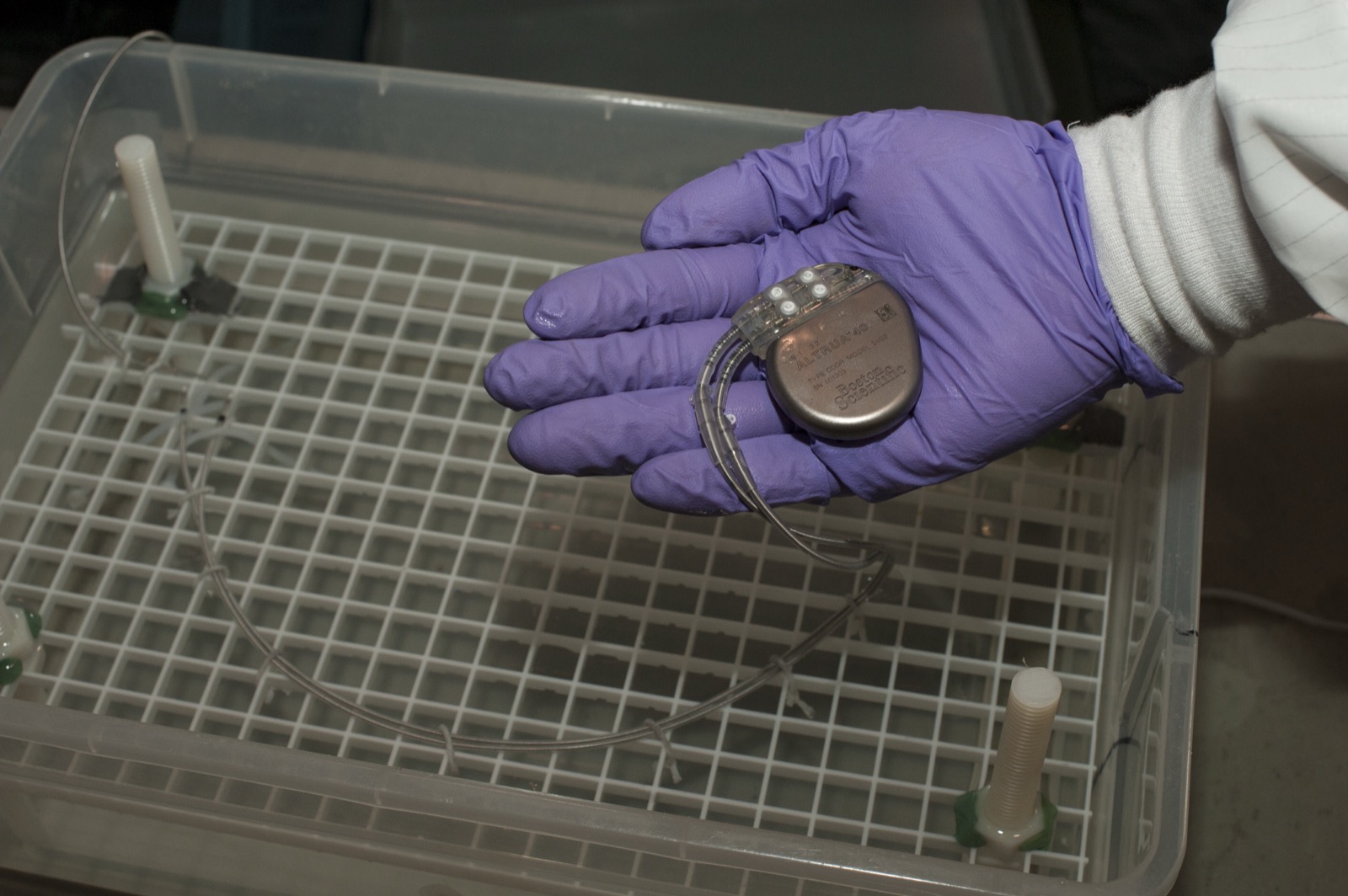
A handheld cardiac implant identifier reached the US market through De Novo, the route for new moderate-risk devices that have nothing to compare against.

Key points
- FDA's database lists a De Novo grant, DEN260007, for BridgeSource Medical's SmartRead Medical Device Identifier, with a Sept. 29, 2026 decision date.
- De Novo is for new device types with no legally marketed predicate; a 510(k) relies on a predicate, and PMA is the premarket review for Class III devices.
- A De Novo grant creates a new classification regulation, here 21 CFR 870.3645 for a "cardiac device identifier", and the device can then serve as a predicate for later 510(k)s.
The FDA has granted a De Novo request for SmartRead, a handheld identifier for implanted cardiac devices made by BridgeSource Medical Corporation of Austin, Texas, according to the agency's De Novo database entry. The record, DEN260007, lists a decision date of Sept. 29, 2026, after the request was received on March 24.
The entry places the device in a new classification called "cardiac device identifier," under regulation number 870.3645 and product code SJJ, reviewed by the cardiovascular panel. That detail is the clearest sign of what makes De Novo different from the two pathways most device news is written about.
Three routes to market
Most moderate-risk devices reach the market through a premarket notification, or 510(k). The manufacturer compares its device with one already legally sold, which FDA calls the "predicate," and shows the new device is substantially equivalent to it. When FDA agrees, the agency says its order "clears" the device for commercial distribution. FDA's 510(k) page says the determination "is usually made within 90 days."
At the other end is premarket approval, or PMA, the review FDA uses for Class III devices, which the agency describes as those that "support or sustain human life," are of substantial importance in preventing impairment of health, or present a potential unreasonable risk of illness or injury. FDA says PMA approval rests on a finding that the application "contains sufficient valid scientific evidence" of safety and effectiveness. Devices that pass this review are "approved," not "cleared."
De Novo sits between them. FDA's De Novo page describes it as "a risk-based classification process" for novel devices that have no legally marketed predicate, when general controls, or general and special controls, can provide reasonable assurance of safety and effectiveness. The goal is to place a new kind of device in Class I or Class II rather than leave it in Class III by default.
How a request gets there
FDA describes two ways in. A company can file a 510(k), receive a "not substantially equivalent" decision because no suitable predicate exists, and then submit a De Novo request. Or it can decide on its own that no predicate exists and go straight to De Novo. The SmartRead entry lists its type as "Direct," meaning the second route.
According to the agency, FDA grants a request only if the controls are adequate and the probable benefits outweigh the probable risks; otherwise the device remains in Class III. The authority comes from section 513(f)(2) of the Federal Food, Drug, and Cosmetic Act, with implementing rules finalized in 2021. De Novo requests carry user fees, and FDA's page sets a goal of reaching a decision within 150 review days, not counting time the file is on hold waiting for more information from the company.
Why the new regulation matters
The lasting effect of a grant is the classification itself. FDA says a granted De Novo lets the agency "establish a new classification regulation for the new device type," and that the device "may now serve as a predicate device for 510(k) submissions of future devices of the same type, when applicable." In practice, a later company building another cardiac device identifier could point to SmartRead as its predicate and use the 510(k) route.
The database entry also records that no predetermined change control plan was authorized with this grant and, as of this week, links no decision summary.
The terms are not interchangeable in FDA records: 510(k) devices are cleared, PMA devices are approved, and De Novo requests are granted.
Sources
- De Novo Classification Request DEN260007: SmartRead(TM) Medical Device Identifier, U.S. Food and Drug Administration, September 29, 2026
- De Novo Classification Request, U.S. Food and Drug Administration
- Premarket Notification 510(k), U.S. Food and Drug Administration, August 22, 2024
- Premarket Approval (PMA), U.S. Food and Drug Administration, May 16, 2019