Philips Sensor Clearance Shows How FDA Tests Pulse Oximeters Across Skin Tones
A new clip sensor's skin-pigmentation figures arrive while FDA's 2025 draft recommendations on testing pulse oximeters across skin tones remain unfinished.
Key points
- Philips said on July 21 that FDA cleared its next-generation reusable SpO2 clip sensor through a 510(k), citing company data showing accuracy varied by less than 0.5% between light and dark skin pigmentation groups.
- FDA's January 2025 draft guidance proposes clinical testing across the range of skin pigmentation, using both the Monk Skin Tone Scale and an objective measure, plus a labeling statement for devices that show comparable performance.
- The draft covers pulse oximeters for medical purposes; FDA says many over-the-counter and sporting oximeters are sold as general wellness products that the agency does not review.
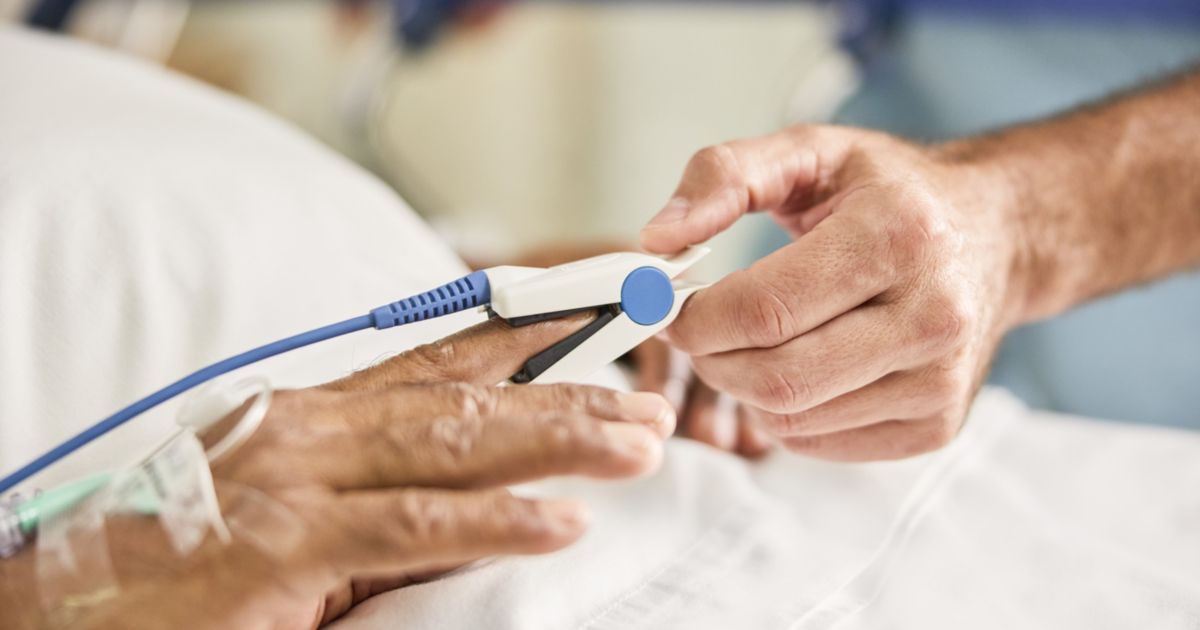
Royal Philips said on July 21 that the US Food and Drug Administration has granted 510(k) clearance for its next-generation reusable SpO2 clip sensor, a pulse oximetry sensor for clinical monitoring. In its announcement, the company said the sensor reached an accuracy root mean square value of 1.6% in desaturation studies, which it called nearly twice as accurate as the 3% level recommended by ISO and recognized by FDA.
Philips also said accuracy varied by less than 0.5% between the light and dark skin pigmentation groups it evaluated, across an arterial oxygen saturation range of 85% to 100%. The figures are Philips internal data on file, according to the release, and the company said its validation practices align with evolving FDA recommendations. The sensor will be available in select markets later this year, Philips said.
Skin tone has been the central question in pulse oximeter regulation for several years, and FDA's answer is still in draft.
Why skin pigmentation matters
A pulse oximeter uses light beams to estimate the oxygen saturation of the blood and the pulse rate without drawing blood, FDA explains on its pulse oximeters page. In a 2021 safety communication, the agency listed factors that can affect readings, including poor circulation, skin pigmentation, skin thickness, skin temperature, tobacco use and nail polish.
FDA then built a record on the pigmentation question. It funded two real-world studies with academic partners in 2022, convened an advisory panel that November, published a discussion paper in November 2023 and held a second panel meeting on Feb. 2, 2024.
What the draft guidance proposes
On Jan. 6, 2025, FDA announced draft guidance titled Pulse Oximeters for Medical Purposes. The agency said “Current scientific evidence suggests there are some accuracy differences in pulse oximeter performance between individuals with lighter and darker skin pigmentation.”
The draft recommends that manufacturers gather clinical data, usually from a controlled desaturation laboratory study and in some cases from real-world data, to evaluate accuracy across the range of skin pigmentation. Study participants' skin tone would be assessed both subjectively, with the Monk Skin Tone Scale, and objectively, by calculating the individual typology angle. A device that demonstrates comparable performance in a new premarket submission would carry a prominent labeling statement saying so.
For devices already on the market, FDA said some may meet the updated criteria without hardware or software changes. If a sponsor submits clinical data supporting a label change alone, the agency said it generally intends to review the submission within 30 days. FDA also proposed a public webpage listing cleared medical oximeters that have shown comparable performance across skin pigmentation. Once final, the guidance would replace a 2013 guidance on 510(k) submissions for pulse oximeters. A draft guidance does not bind manufacturers; it states the agency's proposed recommendations.
What the draft does not cover
The draft applies to oximeters intended for medical purposes, mainly used in hospitals and doctors' offices, plus a small number cleared for over-the-counter sale. It does not apply to oximeters sold as general wellness, sporting or aviation products, which FDA says are not reviewed or evaluated by the agency before they reach the public. The agency said a large number of over-the-counter and sporting oximeters fall into that group and have not been evaluated by FDA for clinical decision-making.
Sources
- Philips receives FDA 510(k) clearance for next-generation reusable SpO2 clip sensor, Philips, July 21, 2026
- Pulse Oximeters, U.S. Food and Drug Administration, January 6, 2025
- FDA Proposes Updated Recommendations to Help Improve Performance of Pulse Oximeters Across Skin Tones, U.S. Food and Drug Administration, January 6, 2025