Juniper Tracer Designation Shows How FDA's Breakthrough Therapy and Fast Track Programs Work
A PET imaging agent meant to guide lower radiation doses in throat cancer received a drug-development designation that buys closer FDA guidance, not a lower bar for approval.

Key points
- Juniper Biosciences said on Sept. 1 that FDA granted Breakthrough Therapy designation to JBS-003, a fluorine-18 PET tracer for tumor hypoxia being tested to guide de-escalated radiation in HPV-positive oropharyngeal cancer.
- FDA describes Breakthrough Therapy designation as a process to expedite development and review when preliminary clinical evidence indicates substantial improvement over available therapy on a clinically significant endpoint.
- Fast Track is a broader designation for drugs that treat serious conditions and fill an unmet medical need; both are requested by the company and decided by FDA within 60 days.
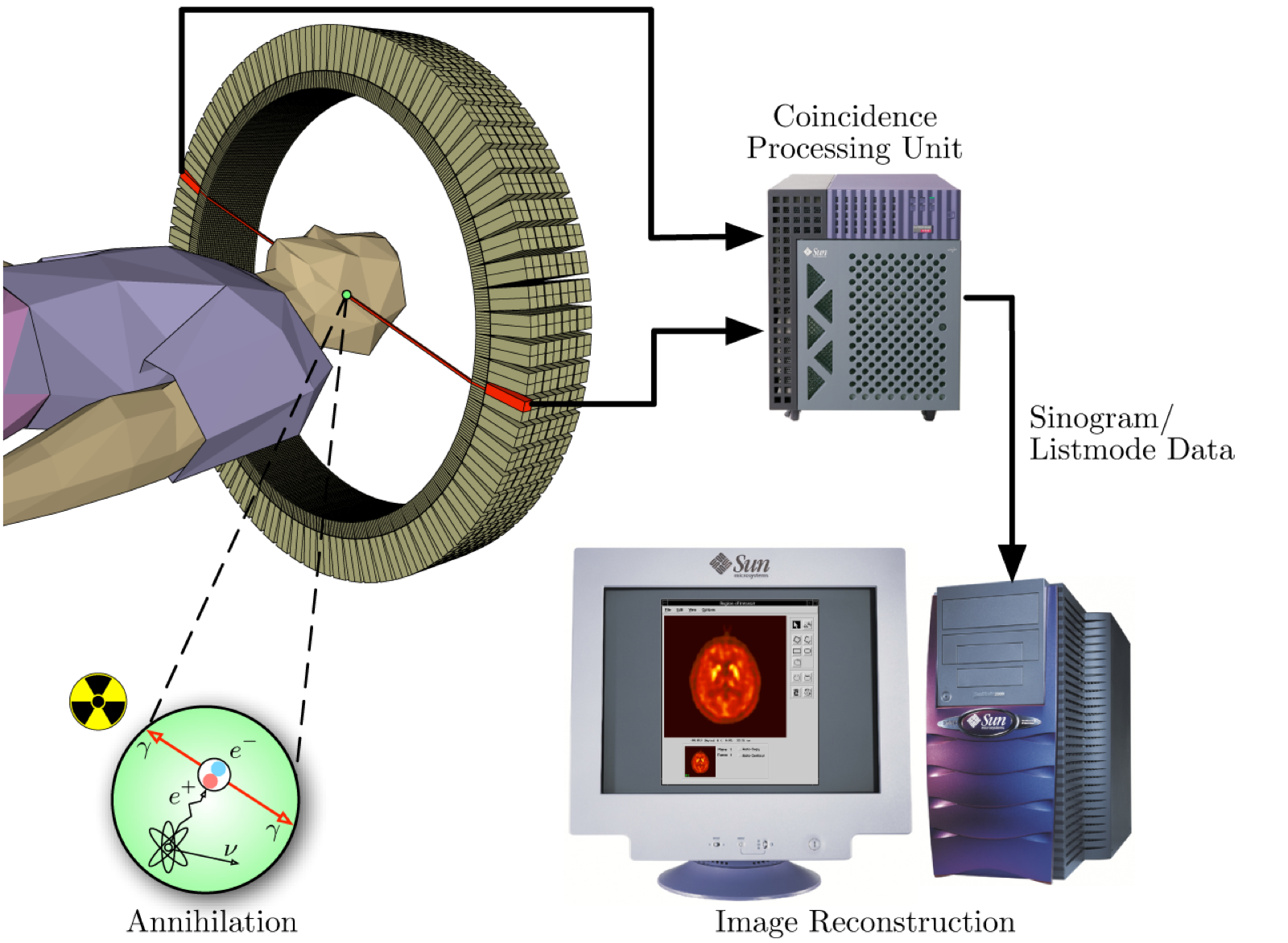
The FDA has granted Breakthrough Therapy designation to JBS-003, an imaging agent Juniper Biosciences is developing to help select patients with HPV-positive oropharyngeal cancer for lower radiation doses, the company said in a Sept. 1 news release, as reported by Targeted Oncology. JBS-003 is a fluorine-18-labeled form of fluoromisonidazole, or F-MISO, used in PET scans to detect tumor hypoxia, which the report describes as a recognized marker of radioresistance.
According to Targeted Oncology, the designation is supported by evidence from an ongoing randomized, double-blind Phase 3 trial, NCT06563479. In its personalized arm, patients without signs of hypoxia on a week-2 scan may receive 30 Gy of radiation, while those with hypoxic tumors and those in the standard arm receive 70 Gy. The primary endpoint is 2-year overall survival. CancerNetwork also reported the designation.
The designation is easy to confuse with others that use similar words. Breakthrough Therapy designation is one of FDA's programs for drugs and biologics; it is separate from the agency's breakthrough device designation for medical devices.
What Breakthrough Therapy designation requires
FDA's Breakthrough Therapy page describes the designation as "a process designed to expedite the development and review of drugs that are intended to treat a serious condition and preliminary clinical evidence indicates that the drug may demonstrate substantial improvement over available therapy on a clinically significant endpoint(s)." In general, FDA says, the preliminary evidence "should show a clear advantage over available therapy."
A clinically significant endpoint usually measures an effect on irreversible morbidity or mortality or on serious symptoms. FDA lists other findings that can count, including "a significantly improved safety profile compared to available therapy (e.g., less dose-limiting toxicity for an oncology agent), with evidence of similar efficacy."
A designated drug becomes eligible for intensive guidance on an efficient development program, beginning as early as Phase 1, organizational commitment from FDA senior managers, and all Fast Track features. The company must request the designation, ideally no later than the end-of-Phase 2 meetings, and FDA responds within 60 days.
How Fast Track differs
Fast Track, described on FDA's Fast Track page, has a lower entry bar. It covers drugs that treat serious conditions and fill an unmet medical need, which FDA defines as providing a therapy where none exists or one that may be potentially better than available therapy. FDA's examples of an advantage include avoiding serious side effects of an existing therapy and improving the diagnosis of a serious condition where early diagnosis leads to a better outcome.
Fast Track brings more frequent meetings and written communication with FDA, possible eligibility for accelerated approval and priority review if their criteria are met, and rolling review, under which a company can submit completed sections of its application rather than waiting until every section is done. Like Breakthrough Therapy, it must be requested by the company, and FDA decides within 60 days.
What neither designation does
Neither designation is an approval. Both are about how FDA works with a company during development and review; FDA's overview of its four expedited approaches lists them alongside accelerated approval and priority review, and notes "there can be confusion about the specific meaning of each and the distinctions among them." A designated product still needs an application backed by evidence before it can be approved; for JBS-003, the Phase 3 trial described by Targeted Oncology is still under way.
Sources
- Hypoxia Tracer Gets FDA Breakthrough Status in HPV+ Oropharyngeal Cancer, Targeted Oncology, September 2, 2026
- Novel Agent Earns FDA Breakthrough Therapy Designation for HPV+ Oropharyngeal Cancer, CancerNetwork, September 2, 2026
- Breakthrough Therapy, U.S. Food and Drug Administration, January 4, 2018
- Fast Track, U.S. Food and Drug Administration, August 13, 2024
- Fast Track, Breakthrough Therapy, Accelerated Approval, Priority Review, U.S. Food and Drug Administration, June 12, 2023