Cerus Says INTERCEPT Red Blood Cells Met Phase 3 RedeS Efficacy Goal
The company reported non-inferiority to conventional red cells on hemoglobin increment, with treatment-specific antibodies detected in 2.2% of the INTERCEPT arm and none of the control arm.
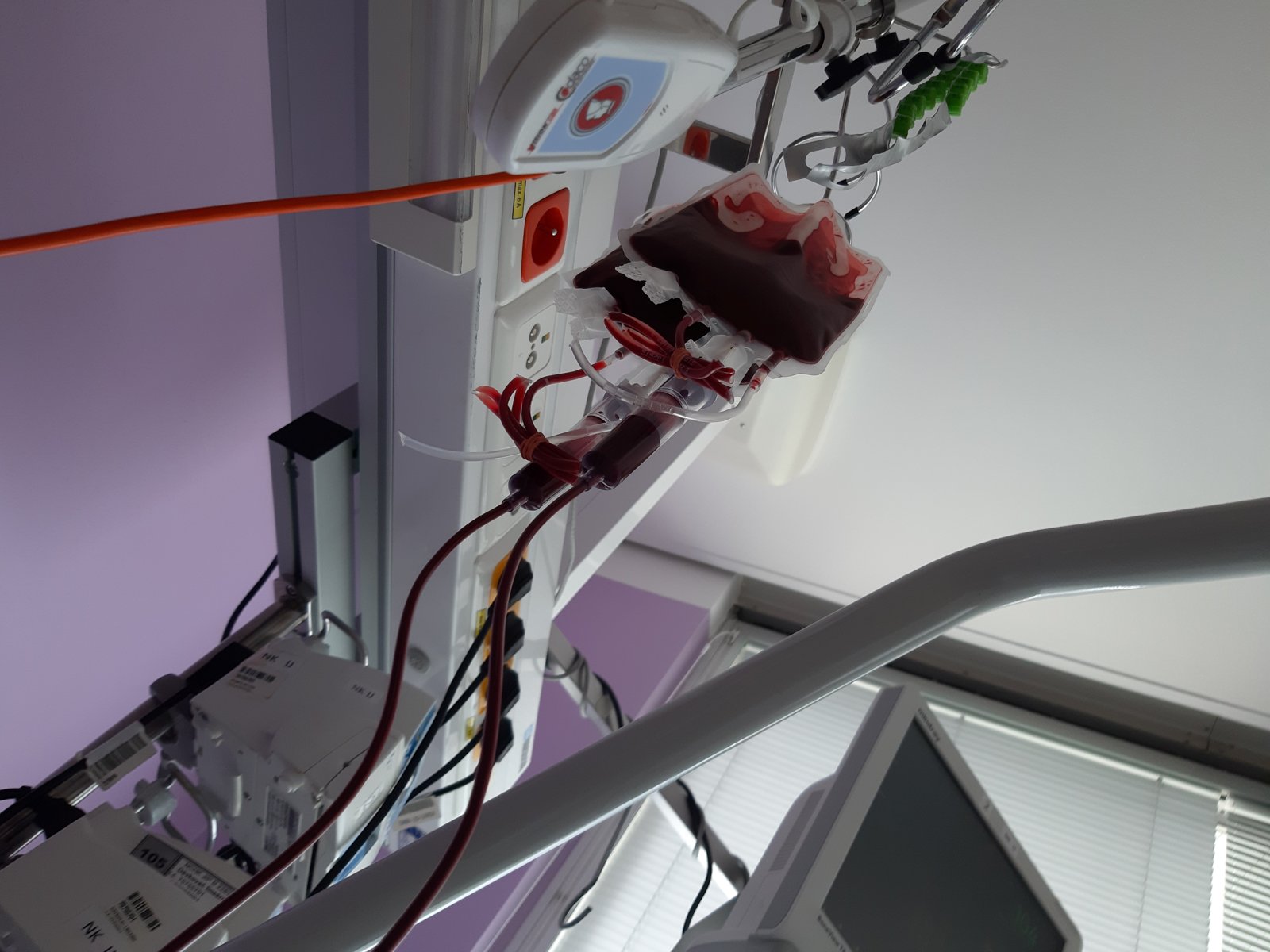

These results come from a Phase 3 trial, the large trial usually needed before approval.
Key points
- Cerus reported topline Phase 3 RedeS results on November 2; the data are company-reported and not yet published in a journal.
- Adjusted hemoglobin increment was 1.996 g/dL with INTERCEPT red cells and 2.050 g/dL with conventional red cells, which the company said met its non-inferiority margin.
- The system remains investigational in the US, and the FDA has not reviewed the final clinical study report.
Cerus Corporation said on Monday that pathogen-reduced red blood cells prepared with its INTERCEPT Blood System met the primary efficacy endpoint of the Phase 3 RedeS trial, showing non-inferiority to conventional red blood cells. The results are topline and company-reported, in a Cerus press release; the company said full results, including secondary endpoints, are expected to be submitted to a peer-reviewed journal and presented at scientific meetings.
Efficacy result
The primary endpoint was adjusted hemoglobin increment, which the company described as a commonly used measure of red blood cell transfusion effectiveness. In the modified intent-to-treat population, the increment was 1.996 g/dL in the INTERCEPT arm (195 subjects) and 2.050 g/dL in the control arm (199 subjects), an estimated difference of -0.054 g/dL (95% confidence interval, -0.210 to 0.103).
Cerus said the lower bound of that interval was above the prespecified non-inferiority margin of -0.32 g/dL, demonstrating non-inferiority (p=0.004).
Safety endpoints and antibodies
The study had two prespecified primary safety endpoints. Treatment-emergent adverse events judged possibly, probably or definitely related to a study transfusion occurred in 3.4% of subjects in the INTERCEPT arm (9 of 267) and 2.5% in the control arm (7 of 276), a difference the company reported as not statistically significant (p=0.634).
On the second measure, INTERCEPT-specific antibodies were detected in 2.2% of subjects in the INTERCEPT arm (6 of 267) and in none of the control arm (p<0.013). Cerus described the antibodies as treatment-emergent, low titer and transient, and said they were seen without evidence of hemolysis or clinical impact, as in its earlier ReCePI study. The company said the six cases were included in the adverse event safety endpoint and that it has ongoing studies to further evaluate the nature of these antibodies.
"The topline RedeS results provide additional evidence on the performance of INTERCEPT-treated red blood cells in patients requiring transfusion support," Dr. Richard Benjamin, Cerus' chief medical officer, said in the release.
Regulatory position
Cerus stated that the FDA "has not yet reviewed the final RedeS clinical study report" and that the agency's assessment of the findings and of the overall benefit-risk profile may differ from the company's. The INTERCEPT Blood System for Red Blood Cells remains investigational in the United States and has not been approved by the FDA, the company said, adding that the results do not establish regulatory approval or the timing of any approval.
The red blood cell system is under regulatory review in Europe, according to the release. In its March 2024 release on the ReCePI trial, Cerus said it planned a modular premarket approval application to the FDA that would include an integrated safety analysis of ReCePI and RedeS data, with the final module then planned for the second half of 2026. Monday's release does not give a filing date.
RedeS, registered as NCT03037164, was described by Cerus in 2024 as enrolling a broader patient population requiring red blood cell transfusion for acute and chronic anemia. ReCePI tested INTERCEPT red cells in complex cardiac surgery patients.
Development has been supported in whole or in part with federal funds from the Department of Health and Human Services under contracts with BARDA, according to the release.
Sources
- Cerus Corporation Announces Positive Topline Results from Phase 3 RedeS Trial of the INTERCEPT Blood System for Red Blood Cells, Cerus Corporation, November 2, 2026
- Cerus Corporation Announces Positive Topline Results for the Phase 3 Clinical Trial of the INTERCEPT Blood System for Red Blood Cells in Cardiovascular Surgery Patients, Cerus Corporation, March 19, 2024