Medtronic 780G Clearance Shows How FDA Regulates Mix-and-Match Diabetes Devices
Medtronic's type 2 clearance used three FDA device categories, for sensors, pumps and dosing software, that were written so components from different companies can work together.

Key points
- Medtronic said on February 2 that FDA cleared its SmartGuard algorithm as an interoperable automated glycemic controller and its MiniMed 780G pump as an alternate controller enabled pump for insulin-requiring type 2 diabetes, for use with Abbott's Instinct sensor.
- FDA regulations set out three Class II device types for connected diabetes systems: the integrated continuous glucose monitor (iCGM), the ACE pump and the interoperable automated glycemic controller.
- Each type carries special controls covering accuracy, secure data exchange, behaviour when a connection drops and logs of critical events that can be shared among the makers of connected devices.
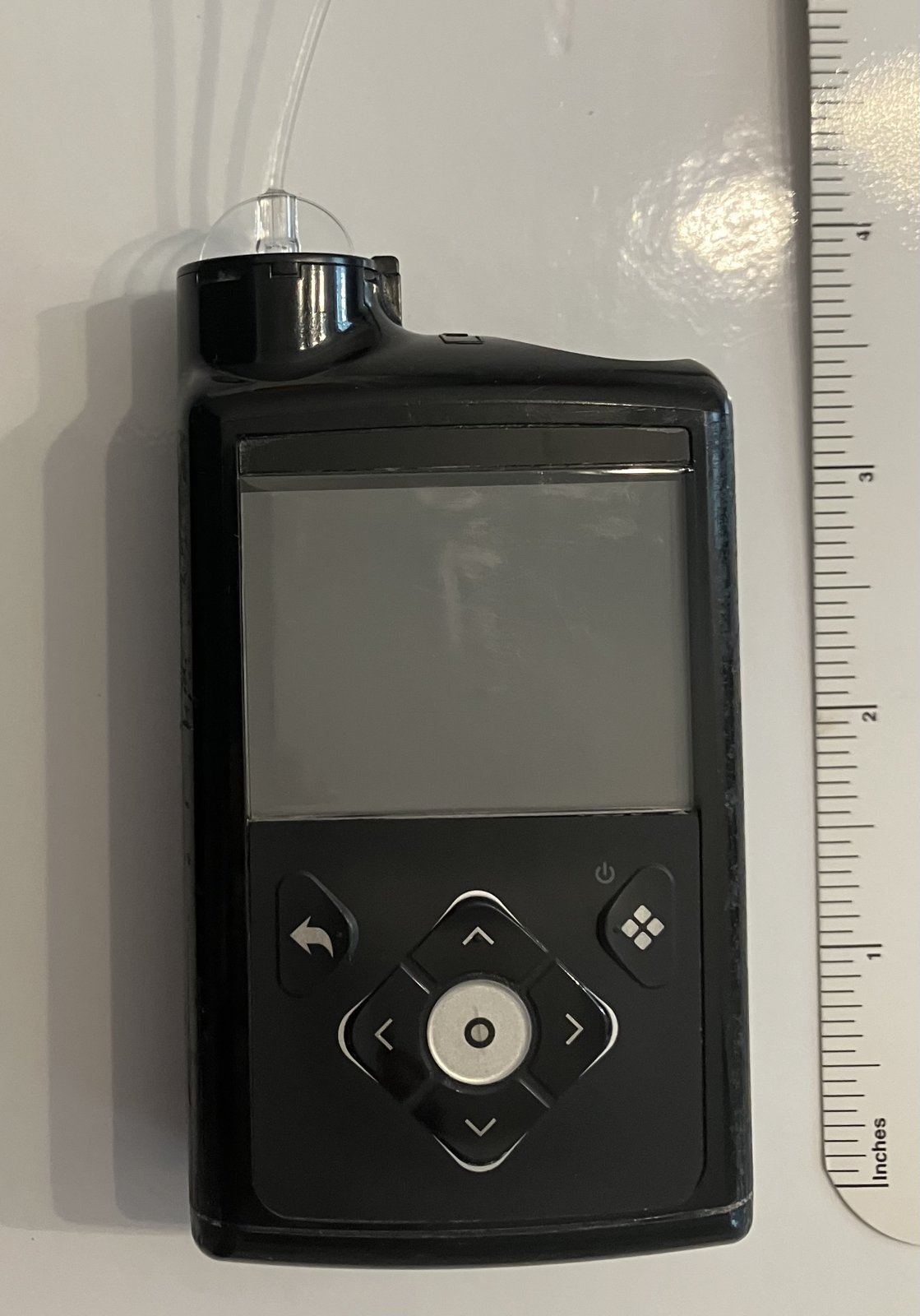
Medtronic said on February 2 that the Food and Drug Administration had cleared its MiniMed 780G automated insulin delivery system for people with insulin-requiring type 2 diabetes using the Instinct sensor, which is made by Abbott. In its announcement, the company said FDA cleared the SmartGuard algorithm "as an interoperable automated glycemic controller (iAGC)" and the 780G pump "as an alternate controller enabled (ACE)" device for that population. Medtronic also announced clearance for use with the ultra rapid-acting insulins Fiasp and Lyumjev, and Medicare access for the 780G system with the Instinct sensor.
Those labels are not marketing terms. They are names of device types in FDA's regulations, created so that a glucose sensor from one company, a pump from another and dosing software from a third can be cleared as parts of one system.
Three device types, one system
An automated insulin delivery system has three jobs: measure glucose, decide on a dose and deliver it. FDA's rules give each job its own Class II classification with special controls, the requirements a device in that category must meet on top of general controls.
The sensor is an integrated continuous glucose monitoring system, or iCGM, under 21 CFR 862.1355. The regulation describes it as designed to "reliably and securely transmit glucose measurement data to digitally connected devices, including automated insulin dosing systems." Its special controls set numeric accuracy targets against laboratory blood glucose values. In adults, for example, the lower 95 percent confidence bound for readings within 15 percent of the reference value, between 70 and 180 mg/dL, must exceed 70 percent.
The pump is an alternate controller enabled infusion pump under 21 CFR 880.5730, designed "to allow drug delivery commands to be received, executed, and confirmed" and intended to work alone or with connected devices. The dosing software is an interoperable automated glycemic controller under 21 CFR 862.1356, which calculates insulin doses from inputs such as glucose readings and commands a connected pump to deliver them.
What the special controls require
The controller rule ties the pieces together. It says the device must only receive glucose input from devices cleared as iCGMs and must only command delivery from devices cleared as ACE pumps, unless FDA determines another type of device is designed appropriately to meet the special controls.
Both the pump and controller rules require validated interface specifications, including secure pairing, reliable data transmission and the sharing of state information such as battery level, reservoir level and error conditions. Both require measures to keep therapy safe when communication is interrupted or lost; the pump rule gives reverting to a pre-programmed, safe delivery rate as an example. Both also require a stored record of critical events, including commands, confirmations, malfunctions, alarms and connectivity events, for auditing and for sharing with the responsible parties for connected devices.
The controller rule adds clinical requirements. Makers must provide clinical performance data for each indication, and for controllers used with more than one type of insulin, data for each product or a justification for why such data are not needed. The rule also requires a plan for assigning postmarket duties, including adverse event reporting and complaint handling, among the makers of connected devices, and labeling that names the compatible insulins and the specific devices the controller can be used with.
Why the categories exist
Before these categories, insulin pumps were either cleared as stand-alone Class II devices or approved as Class III parts of a single, predefined system, Healio reported in February 2019, citing FDA, when the agency authorized Tandem Diabetes Care's t:slim X2 as the first ACE pump through the De Novo pathway. Healio reported that, because FDA's action created a new classification, future ACE pumps meeting the general and special controls could go through 510(k) clearance.
The current text of the iCGM and ACE pump regulations carries February 2022 Federal Register citations, and the controller regulation a March 2022 citation. Medtronic's release described its type 2 clearance as "enabling integration with the Instinct sensor, made by Abbott." The company did not publish clearance numbers in its announcement.
Sources
- Medtronic Diabetes expands access to full-stack insulin delivery solutions with Medicare access and new FDA clearances, Medtronic, February 2, 2026
- 21 CFR 862.1355 - Integrated continuous glucose monitoring system (page as updated 2026-10-30; facts cited were in the 2022 version), Electronic Code of Federal Regulations
- 21 CFR 880.5730 - Alternate controller enabled infusion pump (page as updated 2026-10-30; facts cited were in the 2022 version), Electronic Code of Federal Regulations
- 21 CFR 862.1356 - Interoperable automated glycemic controller (page as updated 2026-10-30; facts cited were in the 2022 version), Electronic Code of Federal Regulations
- FDA approves interoperable insulin pump under new regulatory pathway, Healio, February 15, 2019