Medicare Picks First Part B Drugs for Price Talks: How Negotiation Works
CMS's January 27 list starts the third round of Medicare drug price negotiation, a year-long process set by the Inflation Reduction Act that now reaches drugs payable under Part B and reopens one earlier deal.

Key points
- CMS said on January 27 that it had selected 15 drugs for the third cycle of Medicare drug price negotiation, including drugs payable under Part B for the first time, plus Tradjenta for the program's first renegotiation.
- The 15 drugs accounted for about $27.0 billion in Medicare Part B and Part D spending from November 2024 to October 2025, about 6% of the total, CMS said.
- Negotiations run through 2026 on a fixed calendar: companies have until February 28 to sign agreements, CMS must make initial offers by June 1, and any agreed prices take effect January 1, 2028.
The Centers for Medicare & Medicaid Services said on January 27 that it had chosen 15 drugs for the third cycle of the Medicare Drug Price Negotiation Program. For the first time, the list includes drugs payable under Medicare Part B as well as Part D, and CMS also picked one previously negotiated drug, Tradjenta, for the program's first renegotiation, according to the agency's announcement. Negotiations will take place during 2026, and any agreed prices will take effect on January 1, 2028.
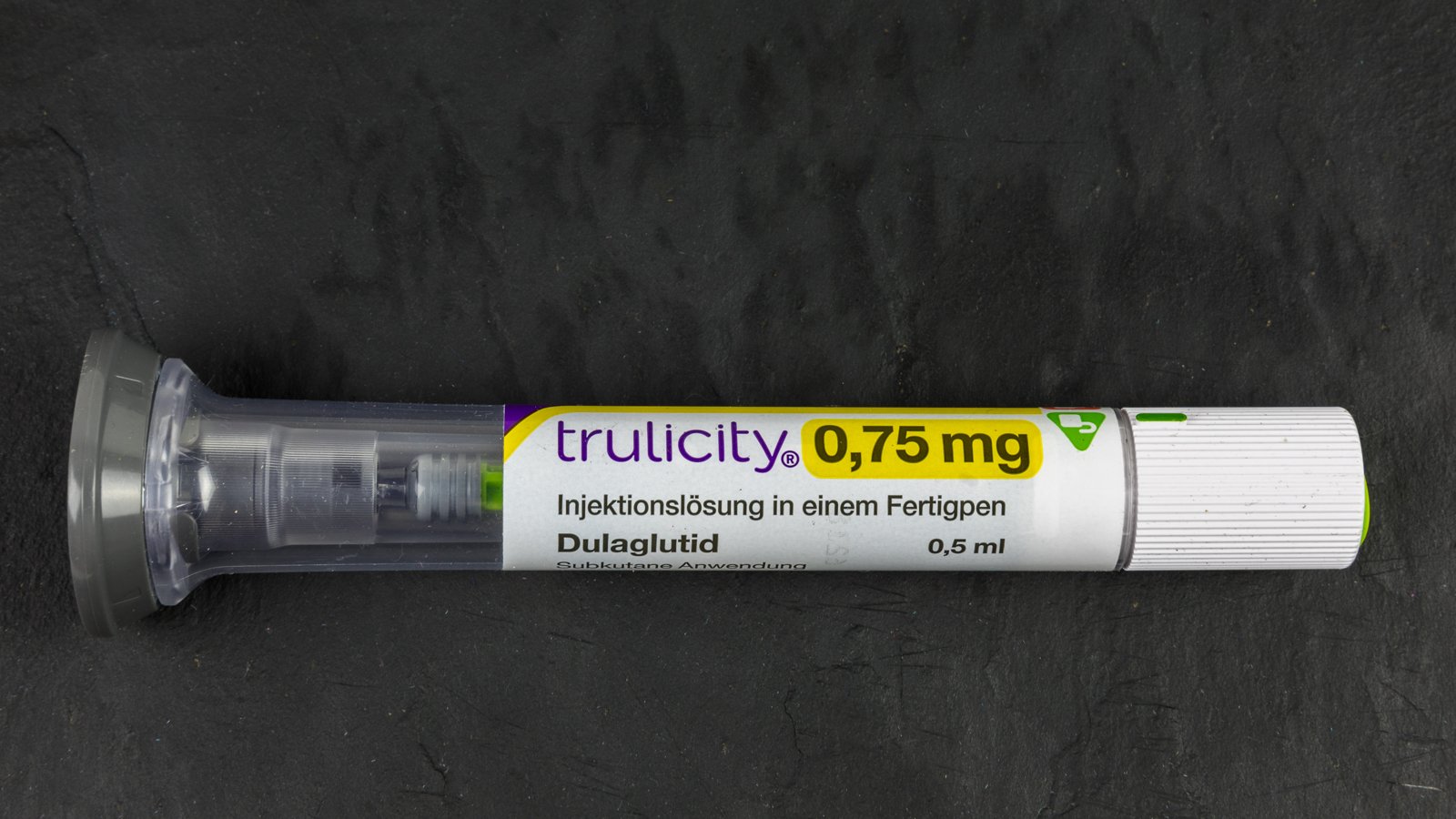
The selected drugs include Trulicity, Biktarvy, Orencia, Cosentyx, Botox, Xolair and Cimzia. CMS said about 1.8 million people with Part B or Part D coverage used them between November 2024 and October 2025, and that they accounted for about $27 billion in Medicare spending on those drugs, roughly 6 percent of the total.
How a drug gets selected
The program comes from the Inflation Reduction Act of 2022, which lets CMS negotiate directly the prices of certain high-spending, single-source drugs without generic or biosimilar competition, according to CMS's fact sheet on the selected drugs. The law calls the result a "maximum fair price." The first cycle covered 10 Part D drugs, with prices effective January 1, 2026; the second covered 15 Part D drugs, with prices effective January 1, 2027.
The fact sheet sets out the selection steps the law prescribes. CMS first identifies qualifying drugs: generally those for which at least 7 years have passed since FDA approval, or 11 years for a biologic, and which face no generic or biosimilar competition. It then removes certain orphan drugs, low-spend drugs and plasma-derived products, and drugs granted a small biotech exception. From the rest it takes up to 50 Part B drugs and up to 50 Part D drugs with the highest spending, ranks them by total Medicare spending, and selects the top 15, after setting aside biologics likely to face a biosimilar soon. CMS published that list of 50 alongside the selections. The spending window for this cycle ran from November 1, 2024 through October 31, 2025.
Renegotiation is new this year. Under CMS's final guidance for the third cycle, a previously negotiated drug can be reopened if it gains a new indication, has a material change in a negotiation factor, or changes "monopoly status" based on years since approval. CMS said it would select drugs with a new indication or material change when renegotiation is likely to move the price by at least 15 percent.
The 2026 calendar
Companies with a selected drug have until February 28, 2026 to sign an agreement to take part, and until March 1 to submit their own data; the public can also submit information by March 1. CMS plans patient-focused roundtables and a clinical town hall in April. In weighing an offer, CMS says it considers a drug's clinical benefit, evidence about alternative treatments, unmet medical need and effects on specific populations, as well as research and development costs and current costs of production and distribution.
CMS must send each company an initial offer, with a concise justification, by June 1. Companies have 30 days to accept or make a written counteroffer, and up to three negotiation meetings can follow. CMS must make any final offer by September 30, and companies must accept or reject it by October 31. The negotiation period ends November 1. CMS must publish agreed prices by November 30, 2026 and an explanation of them by March 1, 2027.
What changes with Part B
The final guidance says CMS has added steps for identifying Part B drugs, calculating price ceilings and applying the negotiated price, and that it will count Medicare Advantage spending when totaling Part B expenditures. It said it would address how manufacturers make the negotiated price available for Part B drugs "in future policymaking."
In the second cycle, Medicare reached agreement with the participating manufacturers on all 15 selected drugs, CMS said. Those prices take effect on January 1, 2027.
Sources
- CMS Announces Selection of Drugs for Third Cycle of Medicare Drug Price Negotiation Program, Including First-Ever Part B Drugs, Centers for Medicare & Medicaid Services, January 27, 2026
- Medicare Drug Price Negotiation Program: Selected Drugs for Initial Price Applicability Year 2028 (fact sheet), Centers for Medicare & Medicaid Services, January 27, 2026
- Medicare Drug Price Negotiation Program Final Guidance for Initial Price Applicability Year 2028 (fact sheet), Centers for Medicare & Medicaid Services, September 30, 2025