Medical Device Amendments at 50: How the 1976 Law Built FDA's Device Rules
As FDA's device center marks the anniversary, the statute's three classes and two premarket pathways still shape how devices reach the US market.

Key points
- FDA's device center marked the 50th anniversary of the 1976 Medical Device Amendments this week; the law created the three-class, risk-based system still in use.
- The amendments set up the premarket approval (PMA) and 510(k) pathways for devices not on the market before May 28, 1976, plus investigational device exemptions and core postmarket rules.
- Later laws added to the framework, including the Safe Medical Devices Act, the 1997 FDA Modernization Act that created the De Novo program, and device user fees.
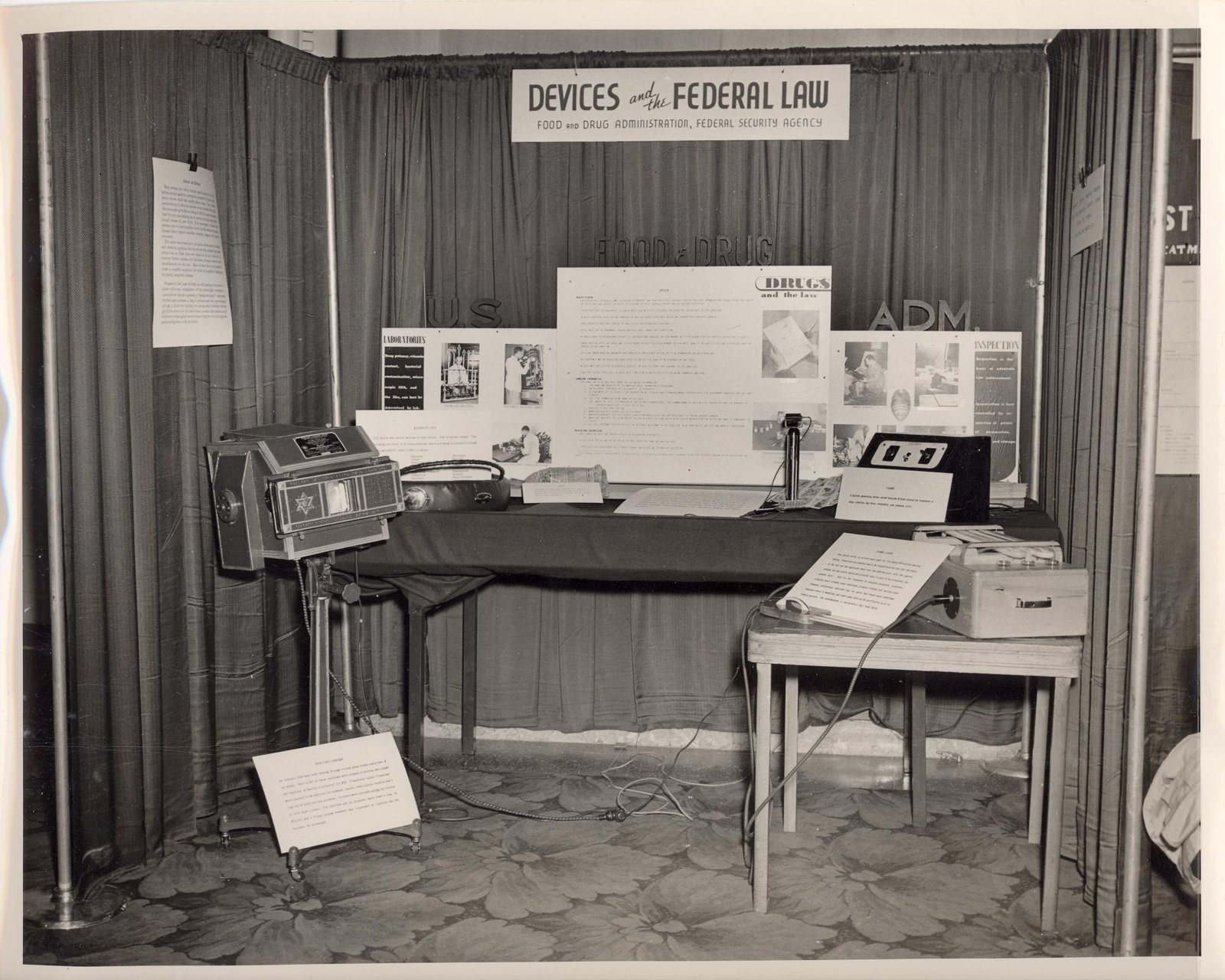
The Food and Drug Administration's device center marked the 50th anniversary of the 1976 Medical Device Amendments this week, convening former leaders, alumni and staff at its White Oak, Maryland, campus. In an FDA Voices post published May 28, Michelle Tarver, director of the Center for Devices and Radiological Health, called the law "a landmark moment that fundamentally shaped how medical devices are regulated in the United States."
The amendments to the Federal Food, Drug, and Cosmetic Act are the source of most of the terms that appear in device news today: class II, 510(k), PMA, investigational device exemption. Here is how the 1976 law built that system and what has been added since.
Why Congress acted
The Drug Amendments of 1962 required new drugs to be approved for both safety and effectiveness, Tarver wrote, and from 1962 to 1969 Congress considered proposals for stronger device authority. In October 1969, President Nixon asked Congress for minimum standards for medical devices, and the Department of Health, Education, and Welfare convened a study committee. According to FDA's history of device regulation, that committee was chaired by Theodore Cooper, then director of the National Heart and Lung Institute, and recommended legislation aimed specifically at devices because they present different issues than drugs. Its report introduced the idea of risk-based classes.
Tarver wrote that interest in legislation was spurred on by concerns about adverse events associated with the Dalkon Shield intrauterine device. The amendments became law on May 28, 1976, with the stated goal of providing reasonable assurance of the safety and effectiveness of medical devices.
What the 1976 law created
The core of the law is a three-class system that sorts all devices by the degree of regulation needed to provide that assurance: Class I, II or III. Tarver called it one of the most important contributions of the amendments and said it lets FDA apply appropriate controls to everything from simple tools to complex, life-sustaining technologies.
The law also created the two main premarket pathways for new devices, meaning those not on the market before May 28, 1976, or significantly modified since: premarket approval and premarket notification, known as the 510(k). It created the investigational device exemption, the route by which unapproved devices can be studied in patients. And it set postmarket requirements, according to FDA's history page: registration of establishments and listing of devices, good manufacturing practices, and reporting of adverse events.
What came later
The 1976 framework has been amended rather than replaced. FDA's history lists later laws that built on it. One required hospitals, nursing homes and other user facilities to report device adverse events, authorized FDA to require postmarket surveillance of certain permanently implanted devices, let the agency order recalls and impose civil penalties, and defined substantial equivalence, the 510(k) standard. Another created the humanitarian device exemption for devices for rare diseases, and the Mammography Quality Standards Act required mammography facilities to be accredited and federally certified.
The Food and Drug Administration Modernization Act of 1997 added "least burdensome" provisions for premarket review and the option of accredited third-party reviewers, and established the De Novo program, through which novel low-to-moderate-risk devices can be classified into Class I or II instead of automatically into Class III. User fees for certain premarket submissions came next, along with FDA performance goals for review decisions.
Tarver wrote that the two original pathways, "plus the subsequently enacted De novo pathway," reflect the benefit-risk approach envisioned in 1976, and that the approach has helped bring tens of thousands of devices to market. At the White Oak event, FDA archivist Frank Riccio said the law's effectiveness "in getting useless, dangerous, and fraudulent devices off the market cannot be overstated," according to the post.
Sources
- Fifty Years of the Medical Device Amendments: Building on a Strong Foundation to Advance Safe, Effective and High-Quality Medical Devices (FDA Voices), U.S. Food and Drug Administration, May 28, 2026
- A History of Medical Device Regulation & Oversight in the United States, U.S. Food and Drug Administration, August 21, 2023