Generic Semaglutide Decision Shows What FDA Tentative Approval Means
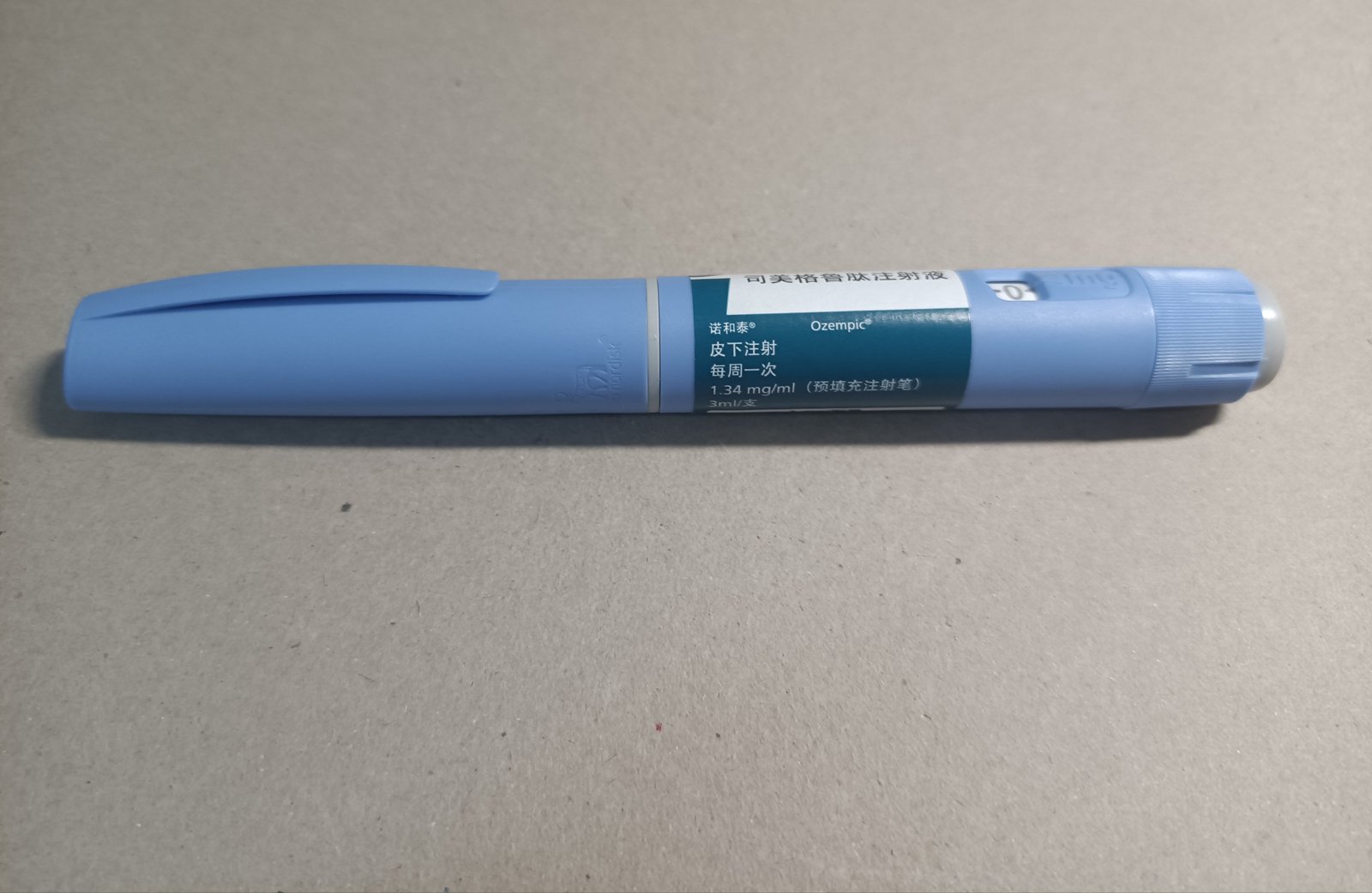
Apotex's tentatively approved copy of Ozempic has passed FDA review but cannot be sold yet, because generic approvals wait on the brand's patents and exclusivities.

Key points
- Apotex said on April 10 that FDA had granted tentative approval to its abbreviated new drug application for semaglutide injection, a generic version of Ozempic.
- FDA issues tentative approval when a generic is ready for approval before the brand's patents or exclusivities expire; it does not allow the product to be marketed.
- The Hatch-Waxman Amendments of 1984 let generic makers challenge listed patents, which can trigger a 30-month stay and 180 days of exclusivity for the first challengers.
Apotex Corp. said on April 10 that the Food and Drug Administration has granted tentative approval to its abbreviated new drug application, or ANDA, for semaglutide injection, a generic version of Ozempic developed with Orbicular Pharmaceutical Technologies. The company described it in its release, distributed by PR Newswire, as the first such tentative approval, and said the product is expected to help broaden access "Upon becoming eligible for final approval." It did not give a launch date.
Three days earlier, on April 7, FDA announced the approval of the first generics of AstraZeneca's Farxiga (dapagliflozin) tablets, granted to multiple generic applicants. The two decisions sit at different points on the same pathway: one set of generics can now be sold, while the other has cleared review but must wait.
Approved, but not yet
An ANDA is the application a company files to sell a generic drug. FDA's Drugs@FDA glossary says such applications are called abbreviated because they are generally not required to include animal and human data to establish safety and effectiveness; instead, the applicant must scientifically demonstrate that its product is bioequivalent to the brand-name drug.
The glossary defines tentative approval in four sentences. If a generic is ready for approval before the expiration of any patents or exclusivities that protect the brand-name product, FDA issues a tentative approval letter describing the circumstances. FDA delays final approval until all patent or exclusivity issues have been resolved. And "A tentative approval does not allow the applicant to market the generic drug product."
Patents and exclusivity are different barriers
FDA's patents and exclusivity FAQ separates the two. Patents are property rights granted by the U.S. Patent and Trademark Office, normally running 20 years from the filing date, and can be issued or expire regardless of a drug's approval status. Exclusivity is a delay or bar on approving competitors that the law attaches to a drug's approval when statutory conditions are met. FDA lists periods including five years for a new chemical entity, seven years for an orphan drug, three years for new clinical investigations and six months of pediatric exclusivity added to existing protection. The two may or may not run at the same time.
The system dates to the Drug Price Competition and Patent Term Restoration Act of 1984, known as the Hatch-Waxman Amendments. FDA's page on patent certifications explains that a generic company can seek approval before a brand's listed patents expire by certifying that a patent listed in the Orange Book is invalid, unenforceable or will not be infringed. That is called a paragraph IV certification.
The 30-month stay and the 180-day reward
A paragraph IV filer must notify the brand sponsor and patent holder. If they sue for infringement within 45 days, FDA approval of the generic is generally postponed for 30 months unless the patent expires or a court finds it invalid or not infringed before then, the same FDA page says. The first company or companies to submit a substantially complete ANDA with a paragraph IV certification are generally eligible for 180 days of exclusive generic marketing.
Tentative approval also figures in that reward. FDA's page notes that a first applicant can forfeit eligibility for the 180-day exclusivity if it fails to obtain tentative or final approval within 30 months of submission, and the agency says it generally decides such forfeiture questions when a specific ANDA is otherwise ready for approval.
Neither Apotex's release nor FDA's public pages said which patents or exclusivities stand in the way of final approval for its semaglutide injection. The Orange Book lists the patents and exclusivities for each brand-name drug, and FDA's April 7 notice pointed readers there for the full list of dapagliflozin generic approvals.
Sources
- Apotex Receives First US FDA Tentative Approval for a Generic Version of Ozempic (Semaglutide Injection) in Partnership With Orbicular, Apotex Corp. (via PR Newswire), April 10, 2026
- FDA Approves First Generic Dapagliflozin Tablets, U.S. Food and Drug Administration, April 7, 2026
- Drugs@FDA Glossary of Terms, U.S. Food and Drug Administration, November 14, 2017
- Frequently Asked Questions on Patents and Exclusivity (page as updated 2026-10-16; facts cited were in the earlier version), U.S. Food and Drug Administration
- Patent Certifications and Suitability Petitions (page as updated 2026-10-30; facts cited were in the earlier version), U.S. Food and Drug Administration