FDA Reminder Letters Show How ClinicalTrials.gov Results Reporting Rules Work
More than 2,200 sponsors and researchers were told they may owe results to the federal trial registry, a duty that comes with notices, penalties and a certification on every major application.

Key points
- FDA said on April 13 that it had messaged more than 2,200 companies and researchers, tied to more than 3,000 registered trials, that appear not to have submitted required results to ClinicalTrials.gov.
- Federal law requires certain sponsors to register applicable clinical trials and submit summary results, generally one year after trial completion; Phase 1 and device feasibility studies are excluded.
- FDA can follow a voluntary-compliance message with a Pre-Notice and a Notice of Noncompliance, after which civil money penalties, injunctions or prosecution are possible.
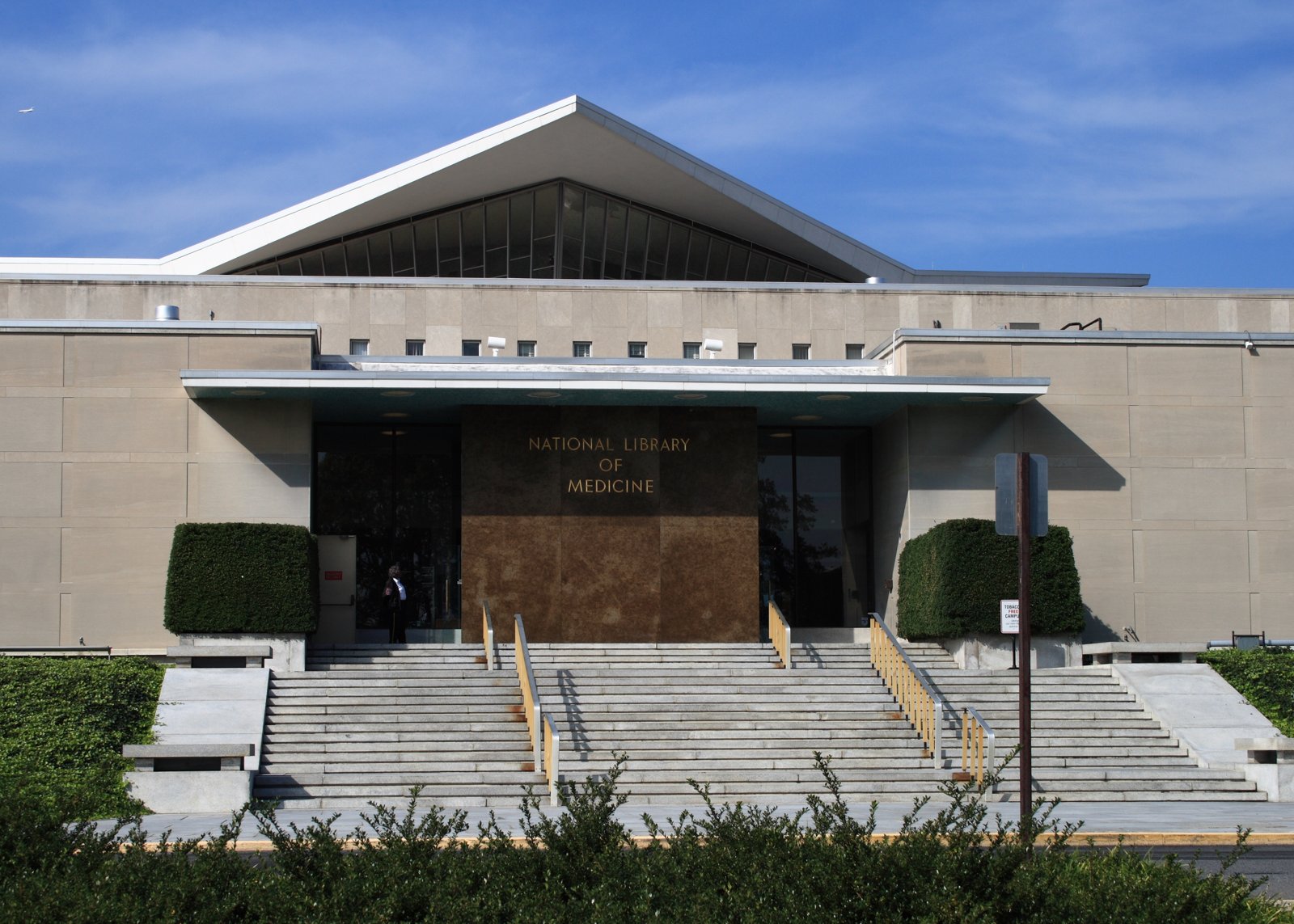
The Food and Drug Administration said on April 13 that it has reminded more than 2,200 medical product companies and researchers that they may be required to post clinical trial results on ClinicalTrials.gov, the federal trial registry. In its announcement, the agency said the messages, sent on March 30, cover more than 3,000 registered trials, including some that were publicly funded, that do not appear to have required results information or may not have completed the National Library of Medicine's quality control review.
FDA said an internal analysis found that 29.6% of studies highly likely to fall under mandatory reporting have no results submitted. Commissioner Marty Makary said that "Those sponsoring clinical trials have an ethical obligation to make results public regardless of the data's influence on the company's share price." The messages seek voluntary compliance, FDA said.
Who has to report, and when
FDA's page on its ClinicalTrials.gov role says federal law requires responsible parties to register certain "applicable clinical trials" with the data bank and to submit results information for them. The detailed rules are in 42 CFR Part 11, the regulation implementing the requirement.
The April 13 announcement describes the studies that fall under mandatory reporting as interventional studies with a U.S. connection and an FDA-regulated product; it excludes Phase 1 and device feasibility studies. For trials covered, results are due one year after trial completion, the agency said. What gets posted is a summary of results: the informed consent statement that federal law requires for these trials tells volunteers that the website "will not include information that can identify you" and "At most, the Web site will include a summary of the results."
The registry requirement also reaches FDA's own files. Under the same law, a certification of compliance with ClinicalTrials.gov requirements, which can be made on Form FDA 3674, must accompany certain submissions. FDA's page lists applications including investigational new drug applications, new drug and biologics license applications, efficacy supplements, generic drug applications, premarket approval applications and 510(k)s that rely on clinical trial information. No certification is required with an investigational device exemption application.
From reminder to penalty
FDA describes its enforcement as risk-based and as giving responsible parties a chance to correct problems before it acts. The March 30 messages are an extra, earlier step, the agency said. The formal sequence starts with a Pre-Notice of potential noncompliance, which invites voluntary corrective action.
If problems remain, FDA can issue a Notice of Noncompliance, its determination that a responsible party failed to register an applicable clinical trial, failed to submit required information, or knowingly submitted false or misleading information. A party that does not take adequate corrective action within 30 calendar days of a notice can face regulatory or enforcement action, which the agency says could include civil money penalties, injunctions or criminal prosecution.
FDA posts each Notice of Noncompliance publicly with the trial's NCT number and any response letter. The earliest entry on that list is dated April 27, 2021, and recipients have included companies and individual physician-investigators.
CDER acting director Tracy Beth Hoeg said in the announcement that the agency hopes the messages will "improve patient safety and keep researchers and the public better informed of benefits and risks of new and investigational products."
Sources
- FDA Reminds More Than 2,200 Sponsors and Researchers to Disclose Trial Results, U.S. Food and Drug Administration, April 13, 2026
- FDA's Role: ClinicalTrials.gov Information (page as updated 2026-10-08; facts cited were in the earlier version), U.S. Food and Drug Administration
- ClinicalTrials.gov - Notices of Noncompliance and Civil Money Penalty Actions (page as updated 2026-10-30; facts cited were in the earlier version), U.S. Food and Drug Administration