Drug Test Proposal Shows How FDA Exempts Devices From 510(k) Review
A May 1 notice would drop premarket review for more drug-of-abuse test systems, using a Cures Act process that runs from proposal to comment to final order.

Key points
- FDA said on May 1 that it intends to expand 510(k) exemptions for 14 types of class II drug-of-abuse test systems to cover devices intended for Federal drug testing programs.
- Section 510(m) of the FD&C Act, as amended by the 21st Century Cures Act, lets FDA exempt class II devices after a public notice and at least 60 days of comment.
- An exempt device still must meet general controls, and a maker must file a 510(k) if its device goes beyond the limits written into the classification regulation.
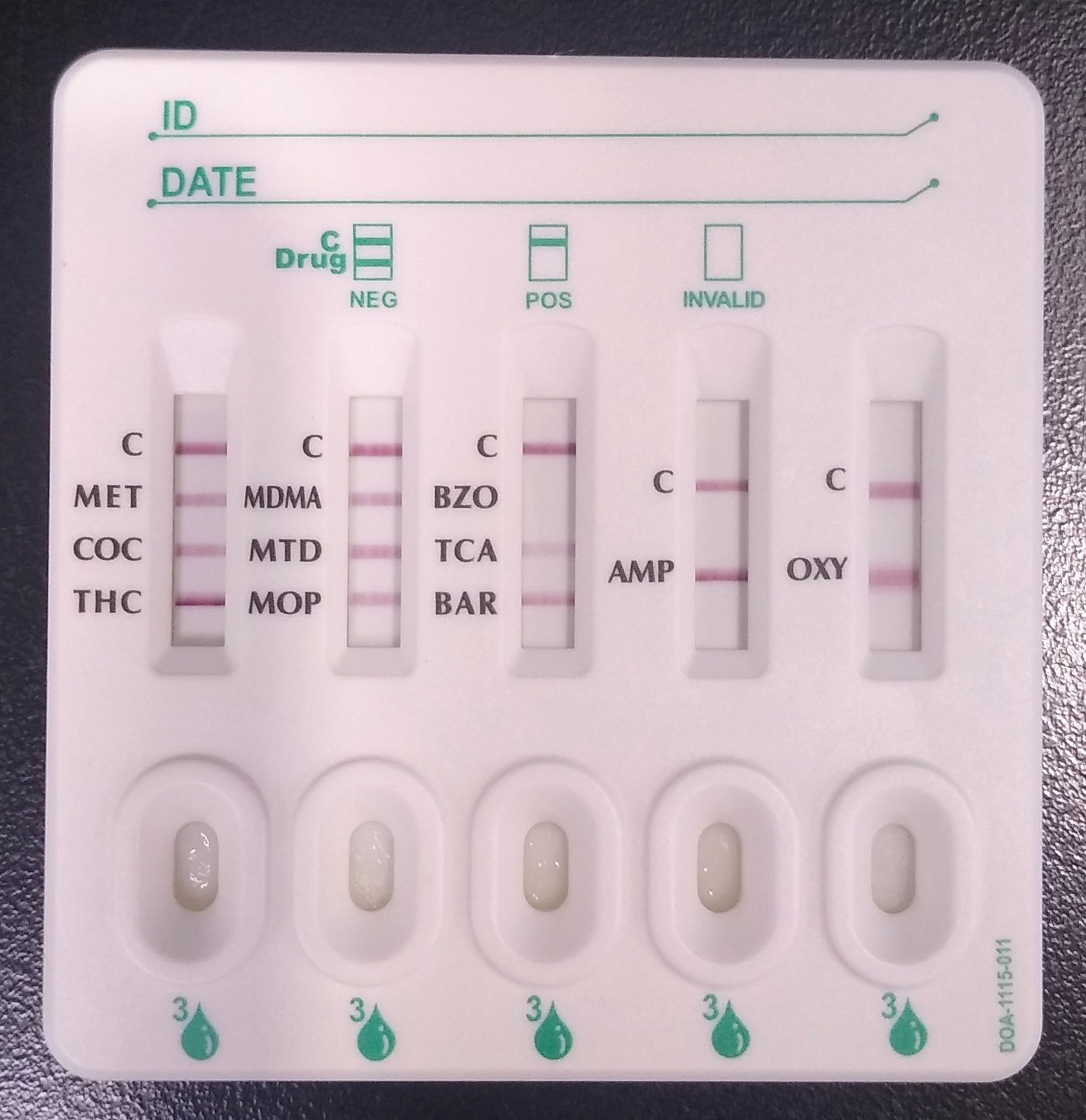
The Food and Drug Administration said on May 1 that it intends to stop requiring premarket notification, known as a 510(k), for more drug-of-abuse test systems. A notice in the Federal Register proposes to remove an exception that has kept tests intended for Federal drug testing programs inside the 510(k) requirement, even though similar tests for employment and insurance testing have been exempt since 2017. The list covers 14 types of class II test systems, for drugs including amphetamine, cocaine, morphine and methamphetamine. Comments are due by June 30, 2026.
The notice is a small, technical step, but it shows how FDA decides that a whole type of device no longer needs a premarket review.
What a 510(k) is, and what exemption removes
Under section 510(k) of the Federal Food, Drug, and Cosmetic Act, a company that plans to sell a device must normally notify FDA first, and the device may not be marketed until the agency finds it "substantially equivalent" to a device already legally on the market, the notice explains. Federal law sorts devices into three classes: class I (general controls), class II (special controls) and class III (premarket approval).
FDA's page on class I and class II device exemptions says "Most class I and some class II devices are exempt from premarket notification [510(k)] requirements." Exemption removes the premarket filing, not the rest of the law. The same page says an exempt device "must still comply with other requirements (known as regulatory controls)" unless the regulation for that device type expressly exempts it from them. Some exempt devices are also exempt from good manufacturing practice requirements under the Quality Management System Regulation, the page says.
How the 2016 exemption process works
The law known as the “21st Century Cures Act” (Pub. L. 114-255), signed in December 2016, amended section 510(m) of the FD&C Act. It requires FDA to publish, at least once every five years as it considers appropriate, a list of class II device types that it has decided no longer need a 510(k) to provide reasonable assurance of safety and effectiveness. FDA must allow at least 60 days of public comment and then publish a final determination. Section 510(m)(2) also lets FDA propose an exemption on its own or in response to a petition; in that case the agency must publish its final determination within 120 days after the notice.
The May 1 notice uses section 510(m)(2). It follows a separate February 6 notice that proposed exempting a different list of class II devices, from blood pressure cuffs to porcelain teeth; comments on that list closed on April 7. Neither notice is FDA's final decision.
In deciding whether a 510(k) is still needed, FDA says it generally weighs four factors set out in 1998: whether the device has a significant history of false or misleading claims or of risks from its inherent characteristics; whether the characteristics needed for safe and effective performance are well established; whether changes that could affect safety would be readily detectable by users or would not materially increase the risk of injury, incorrect diagnosis or ineffective treatment; and whether changes would be unlikely to alter the device's classification.
Where an exemption stops
Exemptions have limits. They apply only to devices with "existing or reasonably foreseeable characteristics" of devices already sold within the generic type, the May 1 notice says, and for in vitro diagnostics only where a misdiagnosis would not be associated with high morbidity or mortality. A maker whose device goes beyond those general limitations, or beyond partial limitations written for a specific type, must still submit a 510(k) before selling it.
The drug test proposal keeps a partial limitation: the exemption would cover only test systems whose labeling states that the device is intended solely for employment and insurance testing. FDA said that if the change is finalized, newly exempt devices will move from non-exempt product codes to the corresponding exempt codes. The agency said the expansion "will decrease regulatory burdens on the medical device industry" by sparing companies the time and cost of 510(k) submissions for those devices.
Sources
- Medical Devices; Exemptions From Premarket Notification: Certain Class II Devices; Request for Comments (Docket FDA-2026-N-4268), Federal Register (FDA), May 1, 2026
- Medical Devices; Exemptions From Premarket Notification: Class II Devices; Request for Comments (Docket FDA-2026-N-0232), Federal Register (FDA), February 6, 2026
- Class I and Class II Device Exemptions (page as updated 2026-10-06; facts cited were in the earlier version), U.S. Food and Drug Administration