Teleflex Freesolve Scaffold Gets FDA Breakthrough Device Designation for Coronary Use
The resorbable magnesium scaffold is not approved in the US; a 1,859-patient pivotal trial against the Xience drug-eluting stent is meant to support a future PMA application.

The FDA granted breakthrough device designation, which offers a faster review pathway. It is not a clearance or an approval.
Key points
- The FDA granted Breakthrough Device designation to Teleflex's Freesolve resorbable magnesium scaffold for percutaneous coronary intervention, the company said on October 22.
- The designation is not an approval; Freesolve is investigational in the US and CE marked in Europe and other regions.
- The BIOMAG-III pivotal trial, registered to enrol about 1,859 patients, compares Freesolve with the Xience drug-eluting stent on target lesion failure at 12 months.
The US Food and Drug Administration has granted Breakthrough Device designation to Teleflex's Freesolve resorbable magnesium scaffold for percutaneous coronary intervention, the company announced on October 22. The designation gives the device access to the FDA's faster review pathway. It is not a clearance or an approval, and Freesolve remains an investigational device in the United States.
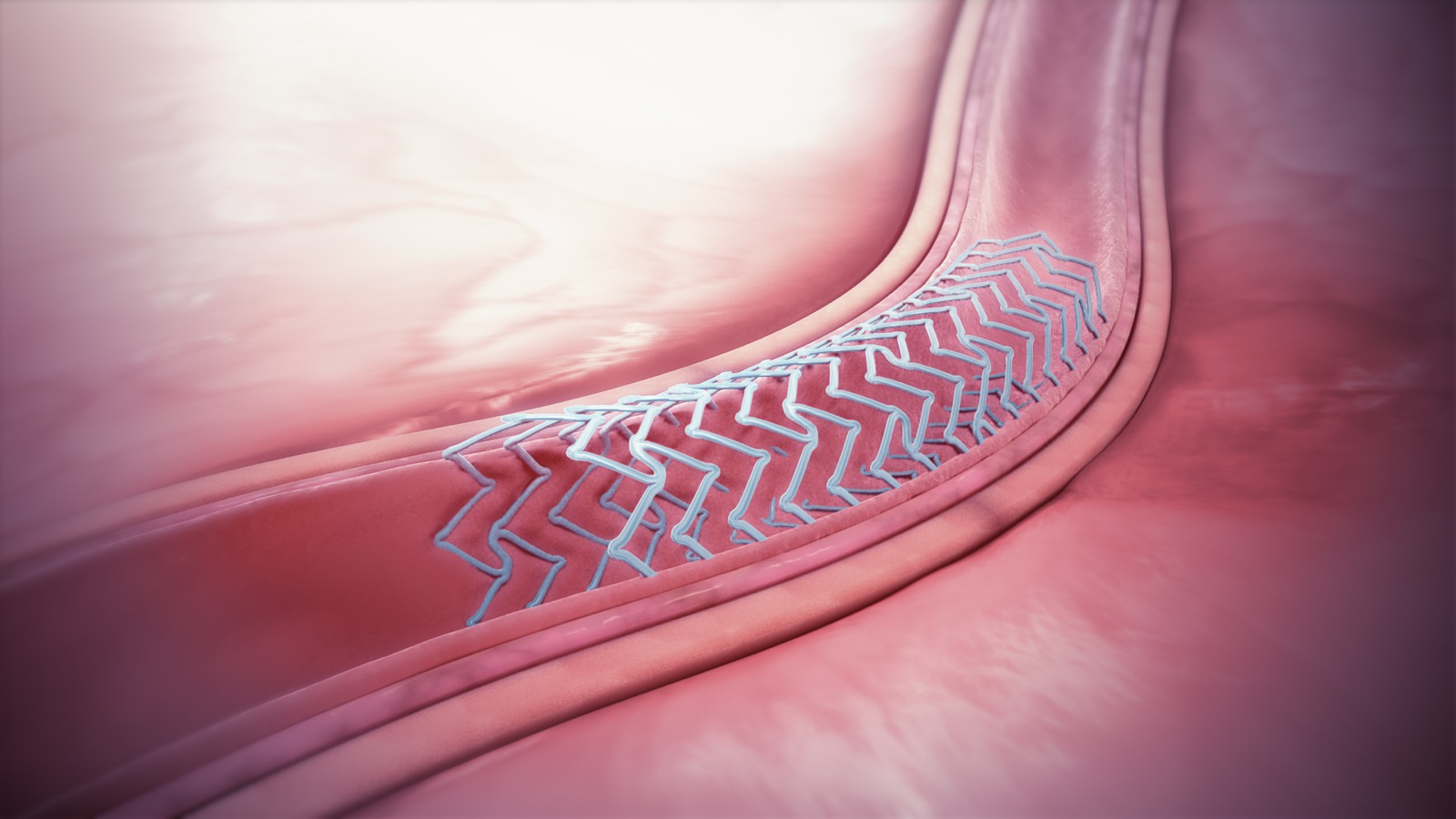
Freesolve is a drug-eluting scaffold that holds a narrowed coronary artery open after it is treated, then dissolves. Teleflex said the device is built from its BIOmag magnesium alloy with a BIOlute bioabsorbable coating, and that 99% of the magnesium is resorbed at 12 months. The company said the scaffold could reduce the need for permanent implants and could serve as an alternative to drug-coated balloons where temporary support of the vessel wall is needed.
In its release, Teleflex described the breakthrough program as open to technologies that address an unmet clinical need and have the potential to provide more effective treatment of life-threatening or irreversibly debilitating conditions.
Pivotal trial under way
Teleflex said the designation sits alongside its ongoing BIOMAG-III pivotal trial, which is designed to support a future premarket approval (PMA) application to the FDA. According to the trial's ClinicalTrials.gov record (NCT07258290), the study began on June 11, 2026, is recruiting, and has an estimated enrolment of 1,859 patients. It compares Freesolve with the Xience everolimus-eluting stent. The primary endpoint is target lesion failure at 12 months, a composite of cardiac death, target-vessel heart attack and clinically driven repeat treatment of the target lesion. The record lists an estimated primary completion date of June 2029.
The company also pointed to results from BIOMAG-I, a first-in-human study (NCT04157153). Teleflex said the study showed a target lesion failure rate of 3.5% at four years and no new clinical events between years two and four. The company cited four-year data presented at the EuroPCR meeting in May 2026; these figures are company-reported and based on a Kaplan-Meier estimate, according to the release.
"Breakthrough Device Designation represents a significant milestone towards bringing Freesolve™ RMS technology to U.S. physicians and their patients," said Dr. David E. Kandzari, the US national principal investigator for BIOMAG-III and chief of Piedmont Heart Institute in Atlanta. The release notes that Kandzari is a paid consultant of Teleflex.
Jason Fontana, president and general manager of Teleflex's interventional business, said: "This designation marks an important milestone in our efforts to bring Freesolve™ RMS to patients in the United States."
Second designation for the platform
This is the second Breakthrough Device designation for the scaffold technology. Teleflex said Freesolve Below-The-Knee was granted the designation in 2024 for chronic limb-threatening ischemia, a severe form of peripheral artery disease. Neither the below-the-knee nor the coronary version is approved for sale in the United States, the company said.
Outside the US, Freesolve is CE marked and sold in countries across Europe, Asia-Pacific, South America and the Middle East, according to Teleflex. The company said the device is clinically often referred to as DREAMS 3G.
Teleflex took over the Freesolve scaffolds and their clinical programs in July 2025 as part of its purchase of Biotronik's Vascular Interventions business, as reported by Cardiac Interventions Today. Medical Device Network also reported the designation, noting that Teleflex is evaluating the device in BIOMAG-III to support a future PMA application.
Sources
- Teleflex Announces FDA Breakthrough Device Designation for Freesolve Resorbable Magnesium Scaffold, Teleflex (press release), October 22, 2026
- BIOMAG-III: Safety and Clinical Performance of the Freesolve RMS System in Subjects With Coronary Artery Lesions (NCT07258290), ClinicalTrials.gov, August 31, 2026
- Teleflex Freesolve RMS Receives FDA Breakthrough Device Designation, Cardiac Interventions Today, October 22, 2026
- FDA grants breakthrough device status to Teleflex's coronary scaffold, Medical Device Network, October 23, 2026