FDA Clears Cochlear's Osia 3 Rechargeable Bone Conduction Sound Processor
Cochlear says the new processor for its implanted Osia System adds a rechargeable battery, more high-frequency power and wider streaming support.
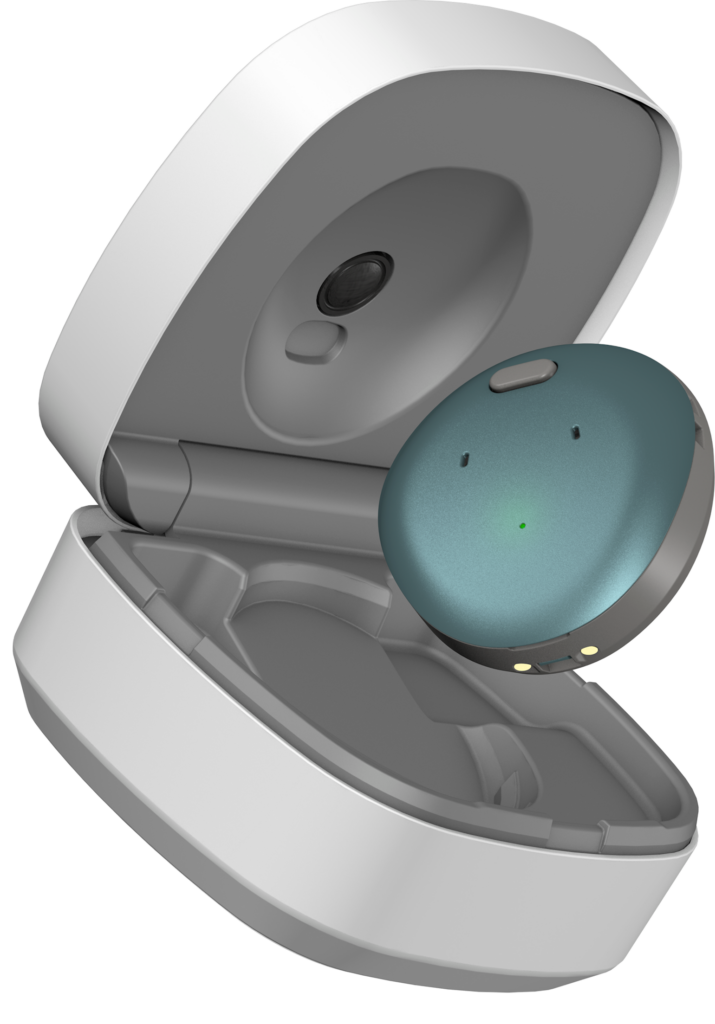
The FDA cleared this device through the 510(k) pathway, which finds it substantially equivalent to a device already on the market. Clearance is not the same as approval.
Key points
- The FDA found Cochlear Americas' submission K260902 for the Osia 3 sound processors and related software and accessories substantially equivalent on July 10, 2026.
- Cochlear says the processor runs up to 30 hours per charge and extends the fitting range to bone conduction thresholds of up to 65 dB HL in the mid to high frequencies.
- The company expects US availability in early fall; eligible current Osia patients can upgrade regardless of implant model, it said.
Cochlear Limited said on July 13 that the US Food and Drug Administration has cleared its Osia 3 Sound Processor, the newest processor for the company's Osia bone conduction hearing system, according to the company's announcement. Cochlear said the processor will be available in the United States in early fall.
The Osia System is designed for children and adults with conductive hearing loss, mixed hearing loss and single-sided deafness, the company said.
What the FDA record shows
The FDA's 510(k) database lists submission K260902 from Cochlear Americas of Lone Tree, Colorado, covering the Osia 3(I) and Osia 3 sound processors, the Osia 3 charger, the Osia 3 Aqua+ accessory, Osia Fitting Software 3, the Osia Smart App and the Osia System. The device is classified as an active implantable bone conduction hearing system under regulation 874.3340, product code PFO. The FDA received the traditional 510(k) on March 18, 2026, and found it substantially equivalent on July 10. The record shows no third-party review and no authorized predetermined change control plan.
According to the release, the two processor versions differ only in their magnet compatibility with the implant, and eligible current Osia patients can upgrade to the new processor whichever Osia implant model they have.
What Cochlear says is new
Cochlear described the Osia 3 as the first fully rechargeable active bone conduction sound processor, with up to 30 hours of use on a single charge from a lithium-ion battery and a charging case that holds additional charges. The company said the new battery and design changes give the processor more high-frequency power, extending its fitting range to bone conduction thresholds of up to 65 dB HL in the mid to high frequencies.
A new signal processing chip, which Cochlear calls Zaphium, offers a wider frequency bandwidth than the previous generation, the company said. Cochlear also said the device is the first active bone conduction device to stream audio from Apple, Android and Bluetooth LE Audio devices, and that it supports Auracast broadcast audio. Some of those features will need a firmware update as compatible devices become available, according to the release.
The company said that in clinical studies patients with the Osia 3 showed improved speech understanding compared with the previous generation and preferred its sound quality, and that 97% of clinical research recipients were satisfied or very satisfied with overall sound quality. Those results are company-reported; the release cites internal clinical investigation reports, one of them with 29 participants, and a registered trial comparing the Osia 3 with the Osia 2 in adults, NCT07156461.
"We put recipients at the heart of everything we do, and this innovation represents our continued commitment to transforming their hearing experience," said Lisa Aubert, president of Cochlear North America.
Cochlear said availability outside the US is subject to regulatory approval. It did not disclose US pricing.
Sources
- Cochlear Introduces the New Osia 3 Sound Processor, Cochlear ProNews, July 13, 2026
- 510(k) Premarket Notification K260902: Cochlear Osia 3 Sound Processor and Osia System, US Food and Drug Administration, July 10, 2026