FDA Clears Biolinq Shine Needle-Free Glucose Sensor for Over-the-Counter Use
The 510(k) lets adults 22 and older who do not use insulin buy the forearm-worn range sensor without a prescription, following its 2025 De Novo grant.
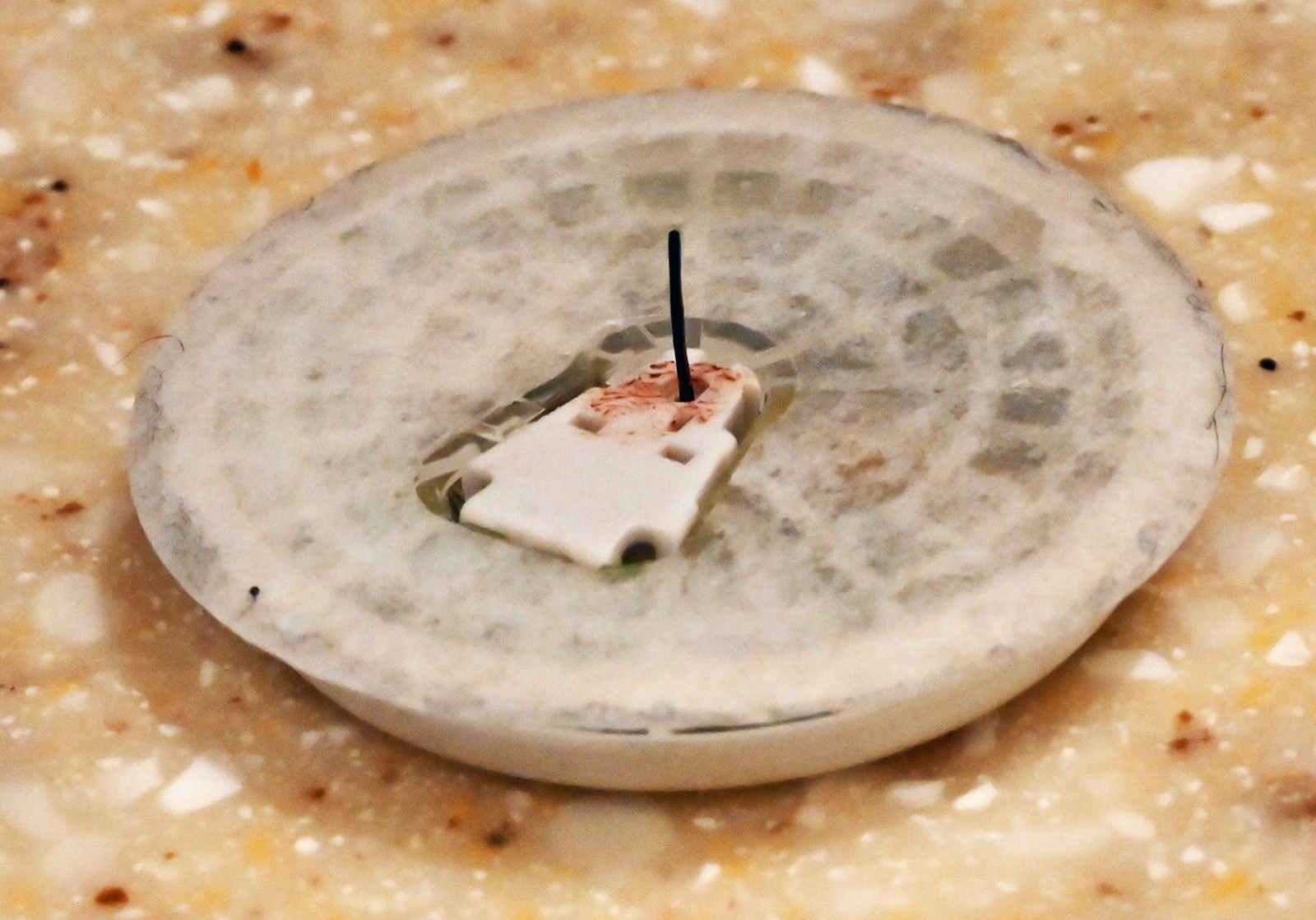

The FDA cleared this device through the 510(k) pathway, which finds it substantially equivalent to a device already on the market. Clearance is not the same as approval.
Key points
- The FDA found Biolinq's Shine Autonomous Time-in-Range Microsensor, K262599, substantially equivalent on September 18, 2026; Biolinq announced the over-the-counter clearance on September 24.
- Shine is intended for adults 22 and older not on insulin and shows glucose ranges with a color-coded LED rather than numerical values for dosing decisions.
- Biolinq did not give a retail launch date or price.
The FDA has cleared Biolinq Shine, a needle-free wearable glucose sensor, for over-the-counter use, allowing adults who do not use insulin to obtain it without a prescription, the San Diego company announced on September 24 in a GlobeNewswire release, read here via its republication on Yahoo Finance.
The FDA's 510(k) database lists submission K262599 from Biolinq Incorporated for the "Biolinq Shine Autonomous Time-in-Range Microsensor," received July 27, 2026, and found substantially equivalent on September 18. The device is classified as a glucose range monitoring system, product code SFU, and was reviewed as a traditional 510(k) by the clinical chemistry panel. The review took 53 days from receipt to decision.
The clearance follows the FDA's De Novo classification of Shine in 2025, which Biolinq said was the device's first regulatory milestone. The company said the new clearance "expands access to Biolinq Shine without a prescription."
What the clearance covers
According to the company, Shine is intended for adults aged 22 and older who are not on insulin and "provides glucose range information to support general awareness of glucose patterns and trends." The release states that it "is not intended to provide quantitative glucose concentration values for acute medical decision-making, including insulin dosing or medication adjustments."
Biolinq said Shine relies on semiconductor-based microsensors that sit close to the skin's surface without a needle for placement. The patch is worn on the forearm and uses a color-coded LED to show whether glucose is within, above or below a target range, and Biolinq said it is the first glucose sensor with an integrated primary display that works with or without a phone. An optional companion app links glucose readings to meals, rest and movement, and the device also tracks activity and sleep.
What the company said
"This clearance represents an important evolution in how people can access glucose information to build greater awareness of their metabolic health," said Amy VandenBerg, Biolinq's chief regulatory and clinical officer. "The FDA conducted a thorough and rapid review of our submission, and we appreciate the Agency's rigor and engagement throughout the process."
Rich Yang, Biolinq's chief executive, said the company wants to "help more people understand how daily choices affect metabolic health and inspire a broader shift toward continuous biosensing as a foundation for healthier living."
The release did not say when the over-the-counter version will be sold, through which retailers, or at what price.
Biolinq describes itself as a developer of multi-analyte biosensors for metabolic health.
Sources
- Biolinq Shine Receives FDA 510(k) Clearance for Over-the-Counter Use, Biolinq press release (GlobeNewswire), via Yahoo Finance, September 24, 2026
- 510(k) Premarket Notification K262599: Biolinq Shine Autonomous Time-in-Range Microsensor, US Food and Drug Administration, September 18, 2026