FDA Authorizes Abbott's Libre Duo, First Wearable to Track Ketones and Glucose Together
The De Novo authorization covers people with diabetes aged 2 and older; Abbott plans a US launch later this year.
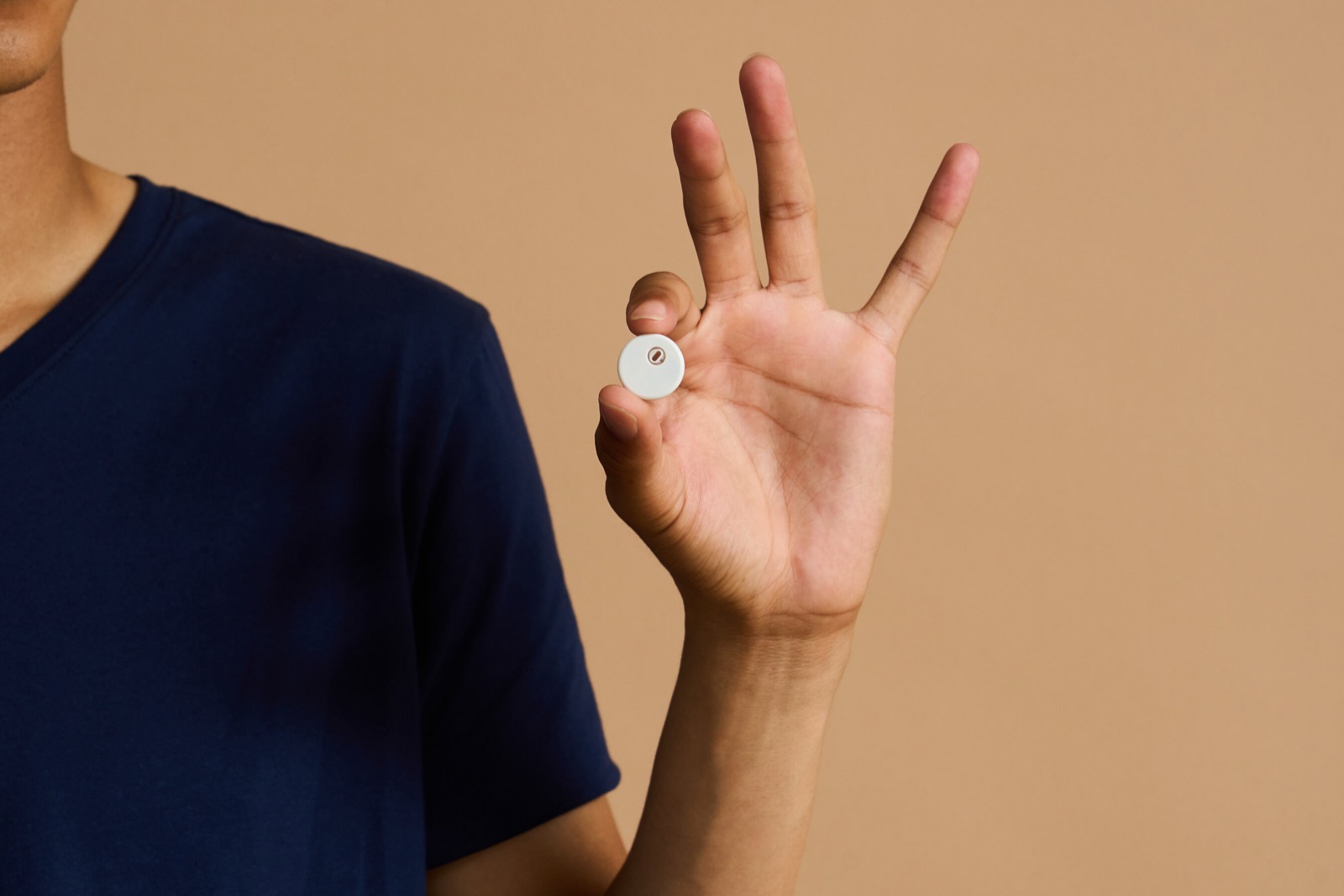
The FDA granted this device through the De Novo pathway, used for new low-to-moderate-risk device types with no existing equivalent.
Key points
- The FDA granted Abbott's De Novo request DEN250049 on August 25, 2026, for the Libre Duo 10 Day continuous glucose and ketone monitoring system.
- The sensor reads glucose and ketones every minute and can alert users when ketones reach a set threshold; the FDA says ketone readings should be read alongside glucose and symptoms.
- Abbott plans a US launch later in 2026 and expects pump integrations with Beta Bionics and Sequel this year, and Insulet, Tandem and MiniMed in 2027.
The US Food and Drug Administration has authorized Abbott's Libre Duo 10 Day, a wearable sensor that continuously measures both glucose and ketones, the agency announced on August 25. The FDA called it the first wearable device in the US that continuously monitors ketone levels, and the first in the world to monitor ketones and glucose together in a single device.
The authorization came through the De Novo pathway for new types of low- to moderate-risk devices. The FDA's De Novo database lists request DEN250049 from Abbott Diabetes Care of Alameda, California, received on September 29, 2025, and granted on August 25, 2026, establishing the device type "integrated continuous glucose ketone monitoring system" under regulation 862.1354. Abbott said the system had earlier received breakthrough device designation, which is meant to speed development and review.
What the sensor measures
Ketones build up when the body burns fat instead of glucose for energy, and high levels can lead to diabetic ketoacidosis (DKA), a serious complication of diabetes. Until now, the FDA said, people who needed to monitor ketones had to use tests that gave a single reading at one point in time.
According to the FDA, the Libre Duo 10 Day measures ketones and glucose in the fluid just beneath the skin every minute and sends readings wirelessly to a compatible smartphone, showing current levels and whether they are rising or falling. It can send automatic alerts if ketones reach a set threshold. The agency said ketone information should always be interpreted alongside glucose readings and symptoms. The system is authorized for people with diabetes aged 2 and older.
The FDA said its decision was based on clinical and performance data from six clinical studies that together enrolled more than 600 participants aged 2 and older, and that the results showed the device tracked clinically meaningful differences in ketone levels across its 10-day wear period. Abbott said in a footnote to its release that, in a wear-duration study, 84.1% of sensors in adults and 68.8% in children lasted the full 10 days.
Launch and pump connections
Abbott said in its own announcement that it plans to launch the system in the US later this year. The company said it is the first system to meet both the FDA's integrated continuous glucose monitoring standard and a new integrated continuous glucose and ketone monitoring standard.
Abbott said it expects the sensor to work with Beta Bionics' iLet and Sequel Med Tech's twiist automated insulin delivery systems by the end of the year, and with devices from Insulet and Tandem in 2027. It also said Abbott and MiniMed are working on an exclusive integration with MiniMed smart dosing systems, expected in 2027. The Libre Duo systems received a CE mark in Europe earlier this year, the company said.
"If glucose is the speedometer, ketones are like the check engine light—providing an alert that something may need attention," said Chris Scoggins, executive vice president of Abbott's diabetes care business.
Abbott's safety information states that the system's urgent low glucose and urgent high ketones alarms may not detect every instance of glucose below 55 mg/dL or ketones above 3.0 mmol/L. The company did not announce pricing.
Sources
- FDA Authorizes First Wearable Device That Continuously Monitors Both Ketone Levels and Blood Sugar, US Food and Drug Administration, August 25, 2026
- De Novo DEN250049: Libre Duo 10 Day Continuous Dual Glucose Ketone Monitoring System, US Food and Drug Administration, August 25, 2026
- Abbott receives FDA authorization for world's first dual glucose-ketone sensing technology for people with diabetes, Abbott, August 25, 2026