FDA Approves LivaNova's aura6000 Nerve Stimulator for Obstructive Sleep Apnea
The implanted hypoglossal nerve stimulator is for adults with moderate to severe sleep apnea who cannot use or do not benefit from standard treatments.
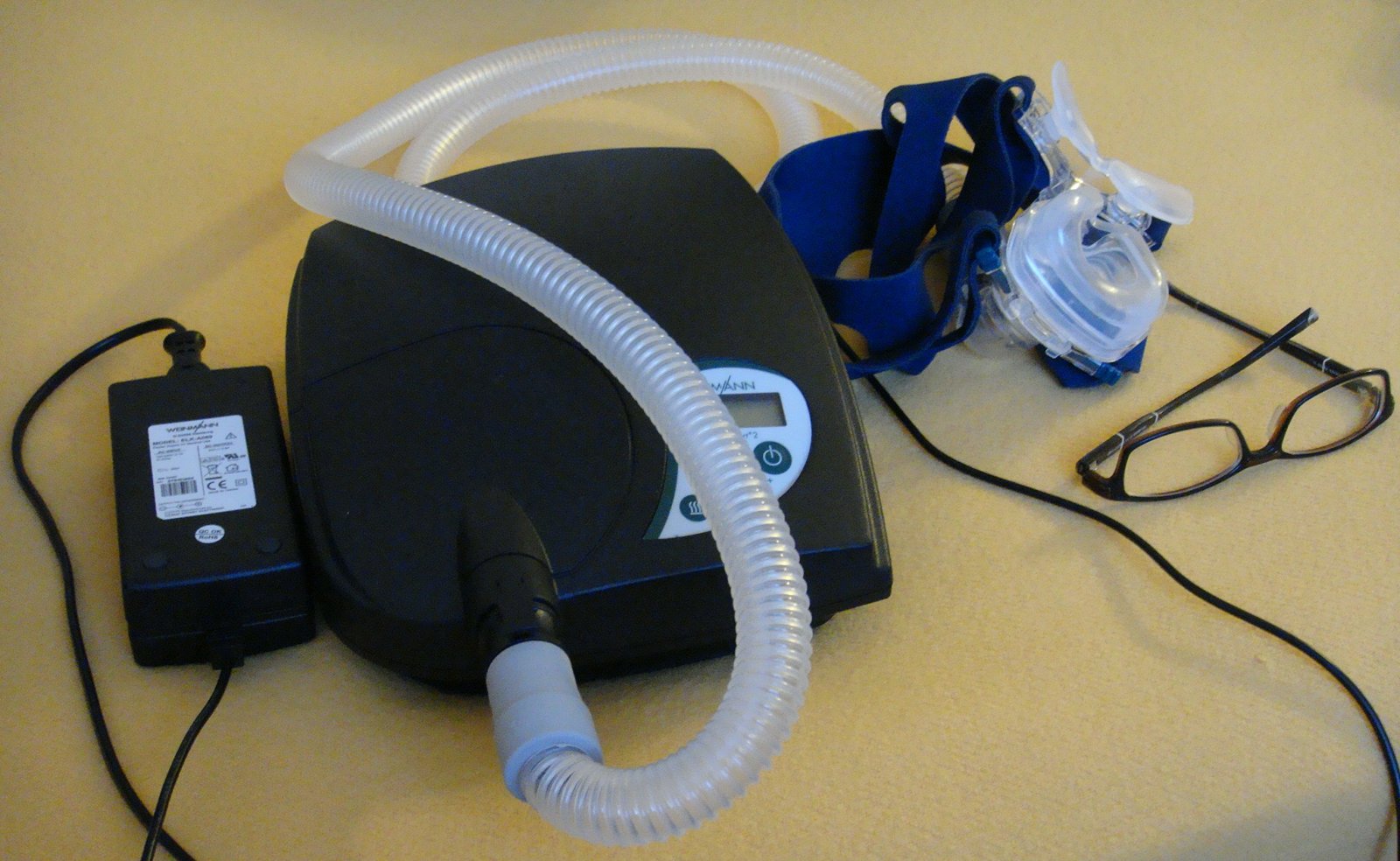

The FDA approved this high-risk device through premarket approval (PMA), after reviewing clinical evidence of safety and effectiveness.
Key points
- The FDA approved the aura6000 system under PMA P250013 on March 18, 2026, for adults with an apnea-hypopnea index of 15 to 65.
- In the OSPREY randomized trial, 58.2% of the treatment group responded at month 7 versus 13.5% of controls, according to the FDA's summary.
- LivaNova said it plans to submit a supplemental application for a next-generation, MRI-compatible version with a rechargeable battery.
The US Food and Drug Administration has granted premarket approval to LivaNova's aura6000 system, an implanted device that stimulates the hypoglossal nerve to treat moderate to severe obstructive sleep apnea in adults, the company announced on March 19, Medical Economics reported.
Implanted neurostimulation systems for sleep apnea deliver mild electrical pulses to nerves or muscles in the throat to prevent airway collapse, Medical Economics noted. The FDA classifies the aura6000 as an implanted hypoglossal nerve stimulator for apnea.
The approval
The FDA's PMA database lists P250013 for the aura6000 system from LivaNova USA of Houston, received April 25, 2025, with a decision date of March 18, 2026. The system includes an implantable pulse generator, leads, a remote control and charger, a charging antenna and clinician software.
The approval order says the device is indicated to reduce apneas, hypopneas or both in adults with an apnea-hypopnea index (AHI) of 15 to 65 who failed, do not tolerate or are ineligible for standard treatments such as positive airway pressure (PAP), oral appliances or pharmacotherapy.
According to the FDA's Summary of Safety and Effectiveness Data, the pivotal OSPREY study was a multicenter, open-label randomized controlled trial in which 107 people were implanted at 23 sites and 104 formed the intent-to-treat population. All were implanted and then randomized to active stimulation or a control group without stimulation until month 7.
"The study met its primary effectiveness endpoint," the summary says. At month 7, 58.2% of the treatment group were responders, defined as at least a 50% drop in AHI from baseline and an AHI below 20 events per hour, compared with 13.5% of the control group. Through month 7, the combined rate of serious adverse events and serious adverse device effects was 5.8%, with 3.8% device-related, the summary says.
Company claims and next steps
LivaNova reported a 65% responder rate in the treatment arm after 12 months of therapy, according to Medical Economics. The company said the aura6000 is the first hypoglossal nerve stimulation device approved by the FDA without a contraindication or warning related to complete concentric collapse, an anatomical pattern that can complicate treatment. That is the company's statement.
"FDA approval of the aura6000 marks a transformative moment for LivaNova and represents a major step forward for patients struggling with inadequately treated OSA," said Ahmet Tezel, the company's chief innovation officer.
LivaNova said it is developing a next-generation version designed to be compatible with MRI, with remote configuration and a rechargeable battery lasting up to 15 years, and plans to submit a supplemental application to the FDA for it. It did not give a launch date for the approved aura6000 system in the coverage reviewed.
Sources
- LivaNova wins FDA Approval for sleep apnea treatment device, Medical Economics, March 19, 2026
- PMA P250013: aura6000 system (database record), US Food and Drug Administration, March 18, 2026
- P250013 Summary of Safety and Effectiveness Data, US Food and Drug Administration, March 18, 2026