FDA Approves Contamac's Optimum Infinite Lenses for Overnight Orthokeratology
The rigid lenses, worn during sleep to temporarily reduce nearsightedness, won approval on clinical data from a lens of the same material approved in 2006.
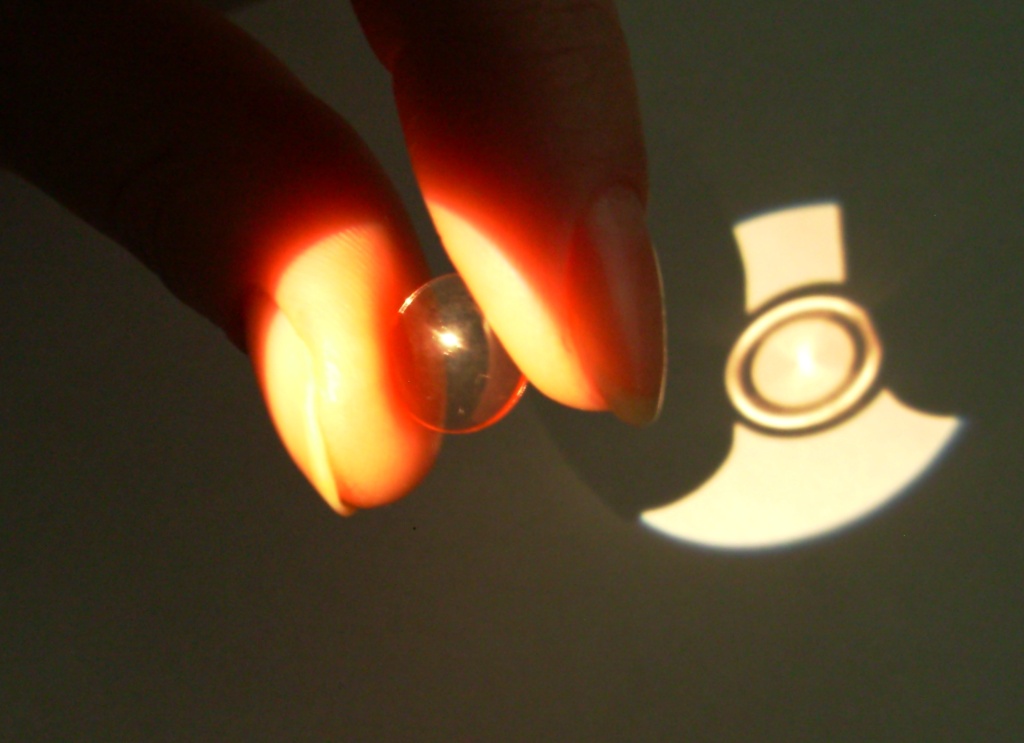

The FDA approved this high-risk device through premarket approval (PMA), after reviewing clinical evidence of safety and effectiveness.
Key points
- The FDA approved Contamac's Optimum Infinite (tisilfocon A) Orthokeratology Lenses II under PMA P240045 on February 10, 2026, for overnight wear.
- The indication covers temporary reduction of myopia up to 6.00 diopters in eyes with astigmatism up to 1.75 diopters.
- Contamac relied on the FDA's six-year rule to use clinical data from the Paragon Z CRT lens, approved in 2006, which the FDA says has the same material, specifications and design.
Contamac has received US Food and Drug Administration premarket approval for its Optimum Infinite (tisilfocon A) Orthokeratology Lenses II, rigid contact lenses worn overnight to temporarily reduce nearsightedness, the company, based in Saffron Walden, England, announced last week, Contact Lens Spectrum reported on February 13.
The FDA's premarket approval database lists the decision as P240045, issued on February 10, 2026. The agency received the application on December 17, 2024, and it was reviewed under the ophthalmic advisory committee without a panel meeting.
What the FDA approved
According to the FDA's Summary of Safety and Effectiveness Data, the lenses are indicated for overnight wear "for the temporary reduction of myopia up to 6.00 diopters with eyes having astigmatism up to 1.75 diopters" in non-diseased eyes, and may only be disinfected with a chemical disinfection system. The summary notes that overnight wear must continue on a prescribed schedule to maintain the effect.
Orthokeratology, also called corneal refractive therapy, uses rigid lenses worn during sleep to reduce the curvature of the cornea; the earlier pivotal study measured both that change and uncorrected vision after six months. Contamac said the lens material has an oxygen permeability of 180 Dk, according to the trade report.
Approval on earlier data
The summary says the Optimum Infinite lenses have not been the subject of a published clinical study. Instead, Contamac relied on the "six-year rule" in Section 216 of the Food and Drug Administration Modernization Act of 1997 and the related FDA guidance. It used the clinical data behind the Paragon Z CRT (tisilfocon A) lens, approved under P050031 on November 16, 2006, because non-clinical testing showed the two lenses share the same material, specifications and design.
That earlier pivotal study was a prospective, multi-center, non-randomized trial at nine US sites. Of 98 patients (196 eyes) who received lenses, 72 completed six months of treatment, and 29 discontinued before the six-month visit, most often for unacceptable vision. Among eyes in which full correction was attempted, 41.5% reached 20/20 or better uncorrected vision and 94.8% reached 20/40 or better at six months, the summary says.
The study reported three adverse events, including corneal infiltrates that resolved after lens wear was stopped, and no serious adverse events. The FDA summary also states that the risk of corneal ulcer "has been shown to be greater among users of overnight wear contact lenses than among users of daily wear contact lenses," and that the risk increases with wear time.
The trade report did not give a US launch date or name US distributors.
Sources
- Contamac Ltd. Announces FDA Premarket Approval of Optimum Infinite Lenses for Overnight Wear, Contact Lens Spectrum, February 13, 2026
- Premarket Approval (PMA) database entry P240045, Optimum Infinite (tisilfocon A) Orthokeratology Lenses II, US Food and Drug Administration, February 10, 2026
- Summary of Safety and Effectiveness Data, P240045, US Food and Drug Administration, February 10, 2026