FDA Approves Balt's Squid Liquid Embolic as Add-On Treatment for Chronic Subdural Hematoma
The premarket approval, Balt's first, covers blocking the middle meningeal artery alongside usual care, based on the randomized STEM trial.
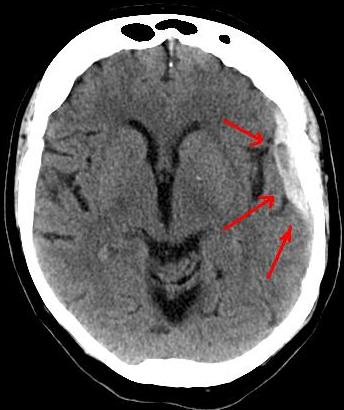

The FDA approved this high-risk device through premarket approval (PMA), after reviewing clinical evidence of safety and effectiveness.
Key points
- The FDA approved Balt's Squid liquid embolic agent under PMA P250009 on January 30, 2026; Balt announced the approval on February 4.
- The indication is embolization of the middle meningeal artery as an adjunct to usual care in patients with symptomatic chronic subdural hematomas 10 mm or thicker.
- In the STEM trial, the FDA's summary reports treatment failure in 16.2% of evaluable patients given Squid plus usual care, against 38.2% with usual care alone.
The US Food and Drug Administration has granted premarket approval to Balt's Squid liquid embolic agent for blocking the middle meningeal artery as an add-on to usual care in patients with large symptomatic chronic subdural hematomas, the company announced on February 4 in a release distributed by GlobeNewswire, read via BioSpace.
The FDA's premarket approval database lists the decision as P250009, issued on January 30, 2026, to Balt USA. The agency received the application on March 21, 2025, and it was reviewed under the neurology advisory committee without a panel meeting.
A chronic subdural hematoma is a collection of blood between the brain and its outer covering. The middle meningeal artery supplies the membranes over the brain; embolization blocks it from inside, using a catheter to deliver material into the vessel.
What the FDA approved
According to the approval order statement, Squid "is indicated for the embolization of the middle meningeal artery (MMA) as an adjunct to usual care treatment in patients with symptomatic chronic subdural hematoma(s) (SDH) measuring 10 mm or greater in thickness in whom an intervention is deemed necessary as determined by a neurosurgeon."
Balt describes Squid as an ethylene vinyl alcohol (EVOH) copolymer in a dimethyl sulfoxide (DMSO) solvent, offered in several viscosities and containing micronized tantalum. The product was first approved for use in Europe in 2012. Balt chief executive Pascal Girin said in the release that this is the company's first PMA approval in its nearly 50-year history.
The STEM trial
The approval rests on STEM, a randomized, controlled study run by Balt. According to the FDA's Summary of Safety and Effectiveness Data, patients were treated at 25 US and seven European sites between November 2020 and May 2023. Patients were first placed in a surgical or a non-surgical cohort, then randomized to usual care alone or usual care plus embolization with Squid.
The primary effectiveness endpoint was treatment failure at 180 days: residual or re-accumulated hematoma of at least 10 mm, a repeat operation or rescue procedure, or a new major disabling stroke, heart attack or death from a neurological cause. In the modified intention-to-treat population, the FDA's summary reports failure in 16.2% of evaluable patients in the Squid arm (19 of 117) and 38.2% in the control arm (47 of 123), an odds ratio of 0.36 (p = 0.0010). The results were published in the New England Journal of Medicine in November 2024, Balt said.
In a pre-specified exploratory analysis by cohort, the difference was larger among patients managed without surgery (19.6% versus 58.0%) than among surgical patients (14.1% versus 24.7%), the summary says.
The primary safety endpoint, major disabling stroke or any death within 30 days, occurred in 2.8% of the Squid arm and 3.0% of the control arm. The FDA summary reports serious adverse events related to the device in 1.4% of Squid-treated patients and serious adverse events related to the embolization procedure in 5.6% through 180 days.
"This marks a major milestone not only for the growth of Balt, but also for the advancement in care of patients suffering from cSDH," Girin said in the release.
Sources
- Balt's Squid Liquid Embolic Receives FDA Approval for Adjunctive Treatment for Patients with Chronic Subdural Hematomas (GlobeNewswire release, read via BioSpace), Balt (via BioSpace), February 4, 2026
- Premarket Approval (PMA) database entry P250009, SQUID Liquid Embolic Agent, US Food and Drug Administration, January 30, 2026
- Summary of Safety and Effectiveness Data, P250009, US Food and Drug Administration, January 30, 2026