UniQure Says FDA Will Accept Phase 1/2 Data for Huntington's Gene Therapy Filing
The company plans to submit a biologics license application for AMT-130 under the accelerated approval pathway in the third quarter, after the agency had previously sought more data.

Key points
- uniQure said on June 17 that the FDA indicated three-year data from its Phase 1/2 program of AMT-130 may serve as the primary basis for a biologics license application seeking accelerated approval in Huntington's disease.
- The company plans to submit the application in the third quarter of 2026; the FDA wants to align on the design of a confirmatory study first.
- The FDA had refused to accept an earlier filing in November 2024, citing insufficient data, Pharmaceutical Technology reported.
uniQure said on June 17 that the US Food and Drug Administration has indicated that three-year data from the Phase 1/2 clinical program of AMT-130, its investigational gene therapy for Huntington's disease, may serve as the primary basis for a biologics license application (BLA) seeking accelerated approval, NeurologyLive reported. The company said it expects to submit the application in the third quarter of 2026.
The update followed a Type B meeting with the agency, during which the FDA asked for more alignment on the design of a confirmatory study that would follow any accelerated approval. According to the company, the FDA indicated that this study may compare AMT-130 with standard-of-care therapy rather than requiring a sham procedure.
"The FDA has agreed that our current clinical data can support a near-term BLA submission and has committed to work expeditiously with us to align on the design of the required confirmatory study," said Matt Kapusta, uniQure's chief executive officer, in a statement quoted by NeurologyLive.
A reversal on the data package
The decision marks a change from the agency's earlier position. The FDA refused to accept uniQure's filing for AMT-130 in November 2024, citing insufficient data from a Phase I/II trial, and after a meeting in January the company said the FDA was asking for another study, Pharmaceutical Technology reported. The outlet said it was unclear why the agency had changed its position.
Under the prespecified statistical analysis plan, data from the first two cohorts of the Phase 1/2 program may be compared with a propensity score-matched external control drawn from Enroll-HD, a large observational natural history study of Huntington's disease.
The clinical data
The US Phase 1/2 study randomized 26 participants to low-dose AMT-130, high-dose AMT-130 or a sham surgical procedure. At the three-year analysis, with a June 30, 2025 data cutoff, the high-dose cohort met the study's primary endpoint, according to NeurologyLive: a 75% slowing of disease progression on the comprehensive Unified Huntington's Disease Rating Scale (cUHDRS), with a mean change of -0.38 against -1.52 in matched external controls (p=0.003). That analysis included 12 treated patients. A separate European open-label Phase 1b/2 study enrolled 13 people with early manifest disease.
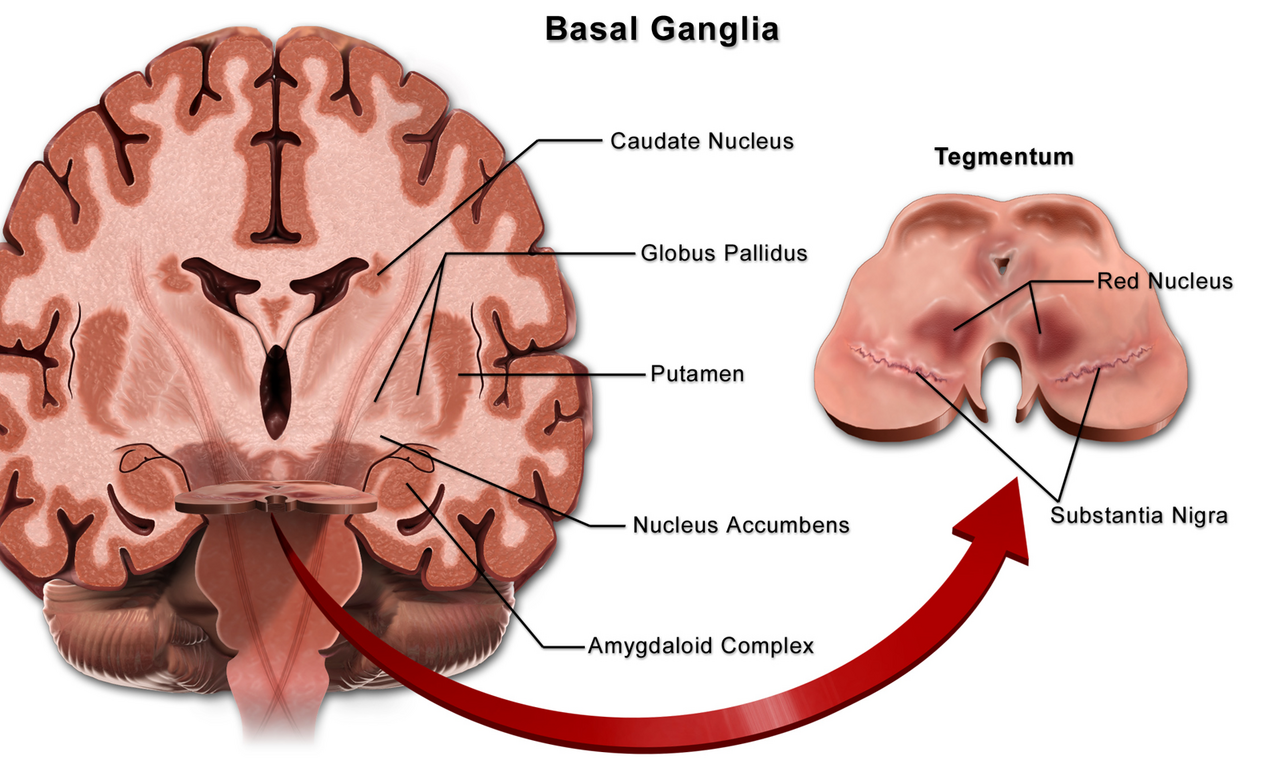
AMT-130 is delivered in a single neurosurgical procedure to the striatum, the brain region most damaged in Huntington's disease, where it delivers a gene encoding a microRNA designed to silence the huntingtin protein. It holds FDA regenerative medicine advanced therapy, breakthrough therapy and fast track designations.
Questions remain about the durability of any effect, the long-term safety of delivering gene therapy into the brain and whether biomarker changes translate into meaningful clinical benefit, NeurologyLive noted. No approved therapy has been shown to slow Huntington's disease progression.
Sources
- FDA Allows AMT-130 Huntington Disease Data to Support Planned BLA Submission Under Accelerated Approval Pathway, NeurologyLive, June 18, 2026
- UniQure to seek approval of Huntington's gene therapy after FDA U-turn, Pharmaceutical Technology, June 18, 2026