Regenxbio's Duchenne Gene Therapy RGX-202 Meets Primary Goal in Pivotal Phase 3
Ninety-three percent of boys in the pivotal cohort reached the microdystrophin expression threshold at Week 12, the company said, and it plans to pursue accelerated approval.
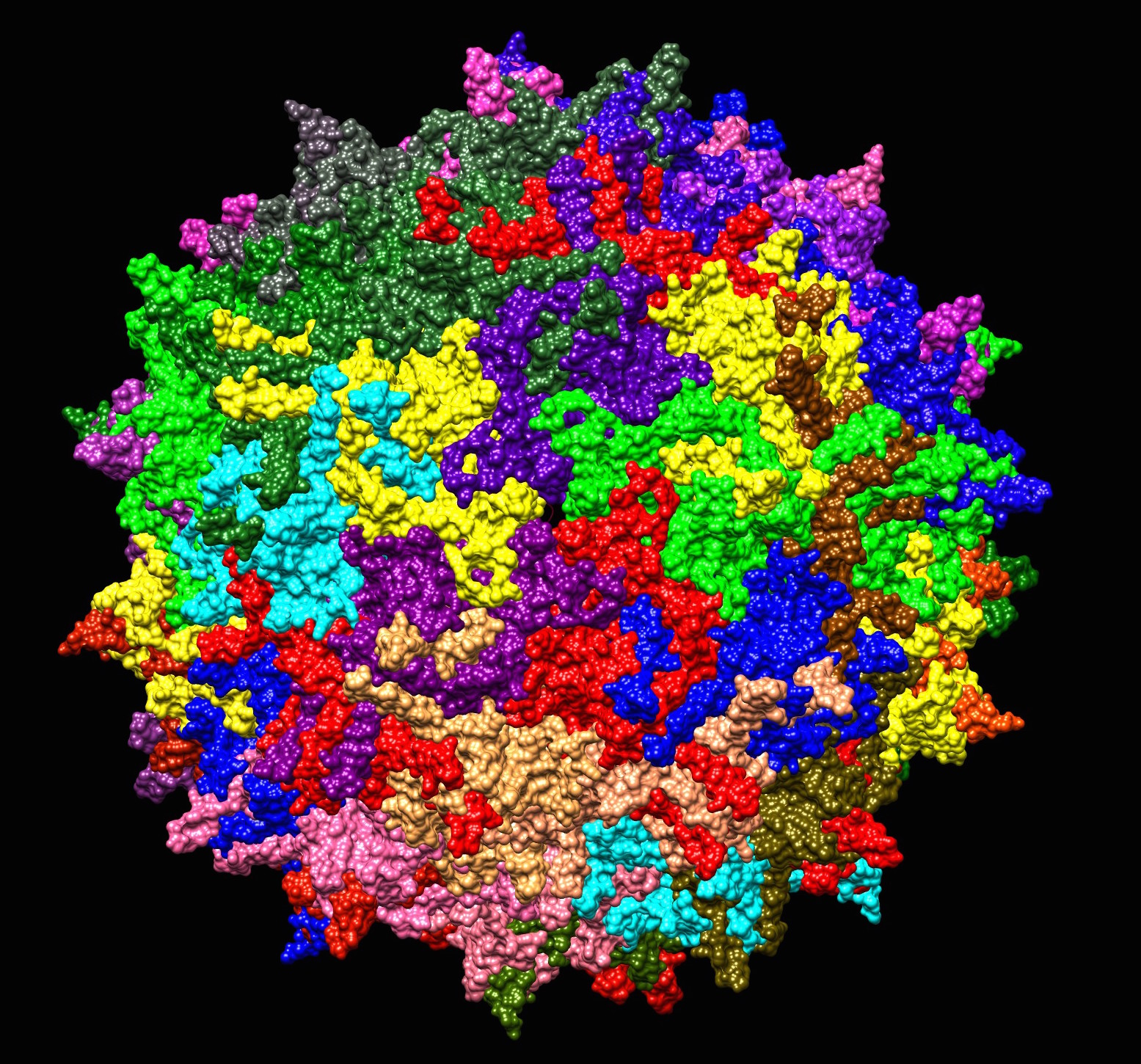

These results come from a Phase 3 trial, the large trial usually needed before approval.
Key points
- Regenxbio said the pivotal Phase III portion of AFFINITY DUCHENNE met its primary endpoint: 93% of 30 evaluable boys had more than 10% microdystrophin expression at Week 12 (p<0.0001).
- Interim functional data come from nine participants at one year and were compared with external natural history controls; the results are company-reported.
- Two serious adverse events, subacute myocarditis and asymptomatic liver injury, resolved, the company said; it is preparing for a potential launch in 2027.
Regenxbio said on May 14 that its investigational gene therapy RGX-202 met the primary endpoint of the pivotal Phase III portion of the AFFINITY DUCHENNE trial in Duchenne muscular dystrophy, according to the company's announcement, distributed by PR Newswire.
The results are company-reported topline and interim data. They have not been published in a peer-reviewed journal.
The pivotal results
AFFINITY DUCHENNE (NCT05693142) is a combined Phase I/II/III trial. Its pivotal portion gave RGX-202, a one-time intravenous AAV8-based gene therapy designed to deliver a shortened form of dystrophin called microdystrophin, at a dose of 2x10^14 genome copies per kilogram to 31 ambulatory boys aged 1 year and older.
The primary endpoint was microdystrophin expression in muscle biopsies at Week 12. Of 30 participants with an evaluable biopsy, 93% reached at least 10% expression (p<0.0001), the company said; one participant declined a biopsy. Mean expression was 71.1% across all participants and 41.6% in boys older than 8, and 80% of participants exceeded 40%.
Interim functional data came from nine participants aged about 5 to 12 who had reached one year after treatment. They performed better than external natural history controls on the North Star Ambulatory Assessment (NSAA) and on timed function tests, using propensity score weighting, according to the company. NeurologyLive reported that investigators also found statistically significant correlations between microdystrophin expression and functional improvement at one year.
"RGX-202 is the first gene therapy in development for Duchenne to demonstrate strong, statistically significant correlation between microdystrophin expression and functional improvement, a landmark distinction in the field," said Steve Pakola, Regenxbio's chief medical officer.
Safety
Regenxbio reported two serious adverse events, both of which it said resolved within weeks: subacute myocarditis in an 8-year-old participant and asymptomatic liver injury in a 10-year-old. Common drug-related adverse events were vomiting, fatigue and nausea, all mild or moderate. Mean gamma-glutamyl transferase and total bilirubin, markers of liver inflammation, did not exceed the upper limit of normal up to one year after treatment in nine participants, the company said.
Regulatory path
According to Regenxbio, the FDA has said that use of microdystrophin expression as a surrogate endpoint will be based on its correlation with clinical outcomes. The company said the agency has recommended a randomized controlled trial but indicated that externally controlled trials may be adequate when the treatment effect is large enough. Regenxbio plans to discuss the data with the FDA and pursue accelerated approval, and it is preparing for a potential commercial launch in 2027.
More than 20 additional participants have enrolled in a 30-patient confirmatory trial, and the company expects to finish dosing all 60 patients across the pivotal and confirmatory trials by mid-year. NeurologyLive noted that Sarepta Therapeutics' Elevidys was the first microdystrophin gene therapy approved by the FDA for Duchenne. RGX-202 has not been approved by any regulator.
Sources
- REGENXBIO Announces Positive Topline Results from Pivotal Phase III AFFINITY DUCHENNE Study of RGX-202, Regenxbio (PR Newswire), May 14, 2026
- Gene Therapy RGX-202 Meets Primary End Point in Pivotal AFFINITY DUCHENNE Study, Supporting Accelerated Approval Plans, NeurologyLive, May 14, 2026