FDA Grants Accelerated Approval to Ultragenyx's Genglycos Gene Therapy for GSDIa
The one-time AAV8 gene therapy, the first approved treatment for glycogen storage disease type Ia according to the FDA, was approved on a 31% reduction in daily cornstarch intake.

The FDA approved this drug or biologic for a specific use.
Key points
- The FDA on August 19 granted accelerated approval to Ultragenyx's Genglycos (pariglasgene brecaparvovec-opnr) for patients 8 and older with glycogen storage disease type Ia.
- In a 48-week, placebo-controlled Phase 3 study, treated patients cut daily cornstarch intake by a mean 31% more than placebo, the surrogate endpoint behind the approval.
- Ultragenyx must complete further studies to confirm clinical benefit, and the label carries warnings for anaphylaxis, liver toxicity, adrenal insufficiency and tumorigenicity.
The Food and Drug Administration on August 19 granted accelerated approval to Genglycos (pariglasgene brecaparvovec-opnr), Ultragenyx Pharmaceutical's one-time gene therapy for glycogen storage disease type Ia (GSDIa), the agency announced. The FDA said Genglycos is the first approved treatment for the condition.
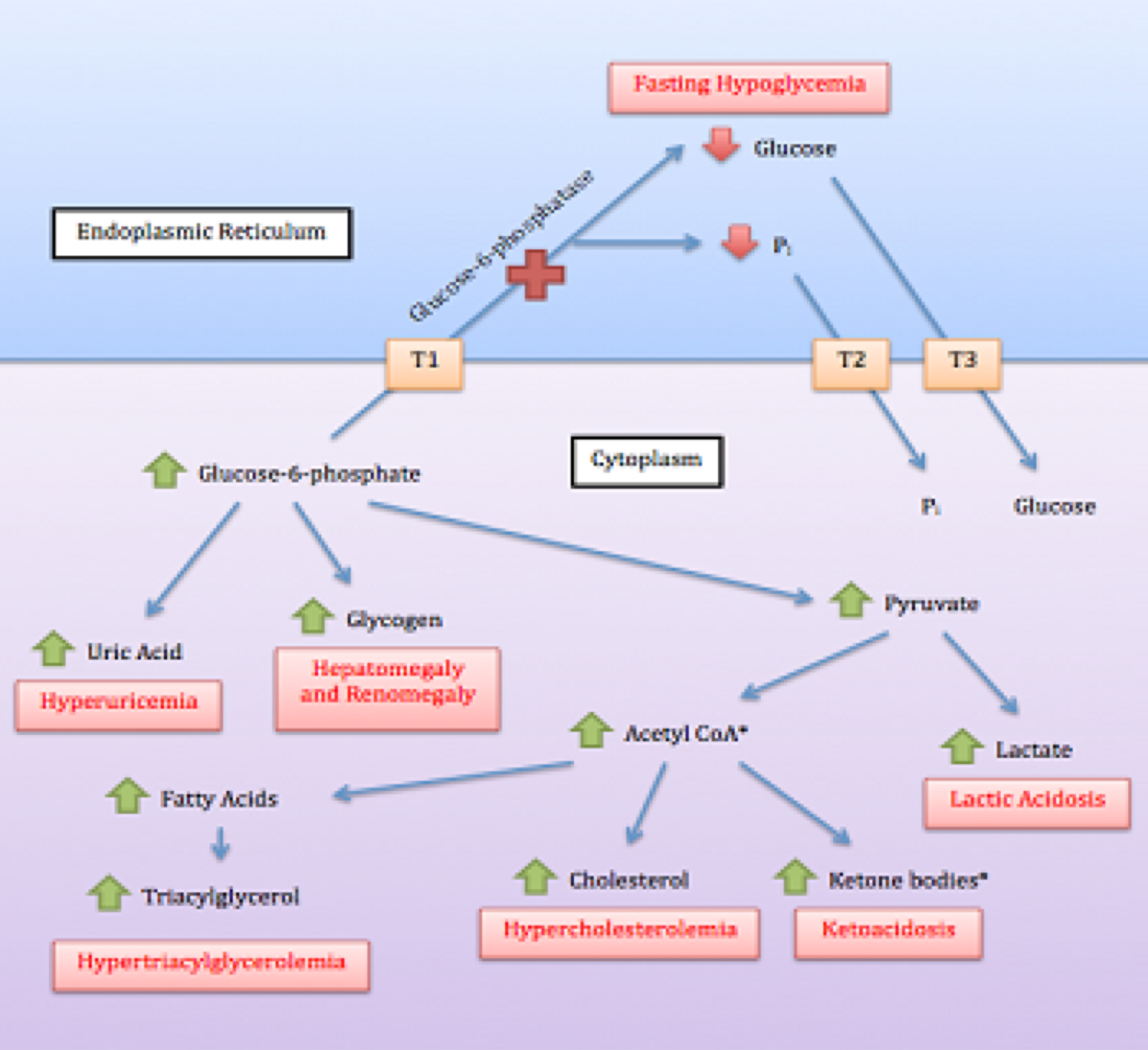
The approval covers adults and children 8 and older, and the therapy is indicated to reduce daily cornstarch intake as an adjunct to nutritional management. GSDIa is an inherited disorder in which a missing liver enzyme, glucose-6-phosphatase, prevents the body from releasing stored glucose, so blood sugar falls whenever a person goes too long without eating. Patients are typically managed with frequent meals and around-the-clock doses of uncooked cornstarch, according to the FDA.
Genglycos uses an AAV8 vector to deliver a working copy of the G6PC gene to the liver. It is given as a single infusion.
The trial behind the approval
The FDA based its decision on a randomized, double-blind, placebo-controlled study that followed patients for 48 weeks after dosing. Pharmacy Times identified the study as the Phase 3 GlucoGene trial, which treated 46 participants aged 8 and older.
Patients who received Genglycos had a statistically significant mean reduction in daily cornstarch intake of 31% from baseline compared with placebo, the primary endpoint. On the secondary endpoint, the treated group reduced intake by a mean of one cornstarch dose a day compared with placebo. The FDA also reported a numerical mean 3% increase in the share of glucose readings below 70 mg/dL in treated patients compared with placebo.
Reduced cornstarch intake is a surrogate endpoint, and the agency said the manufacturer must complete additional clinical trials to confirm the therapy's effectiveness. Pharmacy Times reported that the postmarketing work includes two years of safety and efficacy data collected through a disease monitoring program.
Safety and label
Across two clinical studies, serious adverse reactions in treated patients included anaphylaxis, adrenal insufficiency, high lactate levels and hypoglycemia, the FDA said. The most common adverse reactions were increased liver enzymes, nausea, headache, constipation and hyperglycemia. High blood triglycerides were more frequent with Genglycos than with placebo, at 29% versus 8%.
The prescribing information carries warnings for anaphylaxis, liver toxicity, adrenal insufficiency and a risk of tumorigenicity, and the therapy should not be used during pregnancy. Pharmacy Times reported that patients receive a preventive corticosteroid regimen, with liver enzyme monitoring for the first six months, and that the label advises against use in patients with severe hepatic fibrosis or cirrhosis.
"Genglycos offers these patients and their families a one-time therapy that targets the root cause of the disease," said Megha Kaushal, acting deputy director of the Office of Therapeutic Products in the FDA's Center for Biologics Evaluation and Research.
The application received a rare pediatric disease priority review voucher, and the FDA had granted the therapy regenerative medicine advanced therapy (RMAT) and Fast Track designations.
Sources
- FDA approves first therapy for patients aged 8 years and older with glycogen storage disease type Ia, U.S. Food and Drug Administration, August 19, 2026
- FDA Approves First Gene Therapy for GSDIa, Pharmacy Times, August 20, 2026