FDA Approves Revolution Medicines' Rasonque for Metastatic Pancreatic Cancer
The once-daily RAS inhibitor daraxonrasib extended median overall survival to 13.2 months from 6.7 months on chemotherapy in a 500-patient Phase 3 trial, and the agency acted 6.5 months before its user-fee deadline.

The FDA approved this drug or biologic for a specific use.
Key points
- The FDA on August 26 approved Rasonque (daraxonrasib) for adults with metastatic pancreatic adenocarcinoma who have had at least one prior systemic therapy or cannot receive multiagent therapy.
- In the Phase 3 RASolute 302 trial of 500 adults, median overall survival was 13.2 months on Rasonque and 6.7 months on standard chemotherapy, according to the FDA.
- It is Revolution Medicines' first commercial product, and the review ran under the Commissioner's National Priority Voucher pilot program.
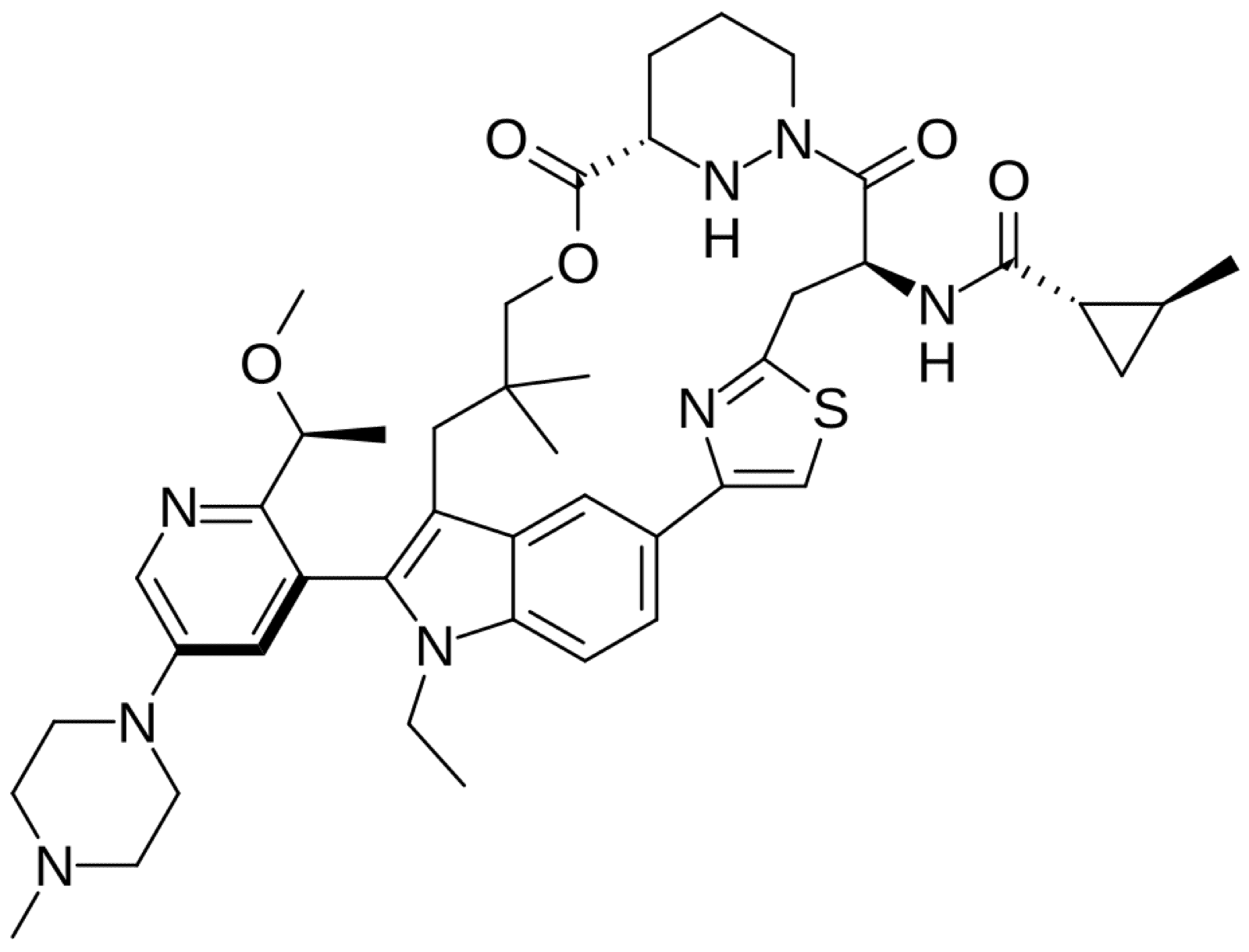
The Food and Drug Administration on August 26 approved Rasonque (daraxonrasib), Revolution Medicines' once-daily oral RAS inhibitor, for adults with metastatic pancreatic adenocarcinoma who have received at least one prior systemic therapy or are not candidates for multiagent systemic therapy, the agency announced.
The FDA said the decision came 6.5 months before the user-fee deadline for the application. The drug is the first commercial product for Revolution Medicines, a Redwood City, California, company founded in 2014 to develop drugs against the RAS protein family, PharmExec reported.
The RASolute 302 results
The approval rests on a randomized, open-label, multicenter trial of 500 adults with previously treated metastatic pancreatic adenocarcinoma. Median overall survival was 13.2 months with Rasonque and 6.7 months with standard chemotherapy, according to the FDA.
PharmExec identified the study as the Phase 3 RASolute 302 trial, published in the New England Journal of Medicine, in which patients whose disease had progressed on a prior fluoropyrimidine- or gemcitabine-based regimen received daraxonrasib or the investigator's choice of chemotherapy. The trial also met its progression-free survival endpoint, the publication reported, and it noted that the open-label design leaves some findings, particularly progression-free survival assessments, open to reporting bias without blinded independent review.
Daraxonrasib is described as a RAS(ON) multi-selective inhibitor: it targets the active form of several mutant and normal RAS proteins rather than a single mutation subtype. The FDA said RAS is a key driver of tumor growth in most patients with pancreatic adenocarcinoma, which accounts for about 90% to 95% of the 67,000 pancreatic cancer cases diagnosed in the US each year.
"This drug showed unprecedented results in an area of high unmet need," said Angelo de Claro, director of the FDA's Oncology Center of Excellence.
Safety and review path
The most common side effects are rash, diarrhea, stomatitis, nausea, fatigue, vomiting, abdominal pain, edema, decreased appetite and hemorrhage, the agency said.
Rasonque had Breakthrough Therapy and Orphan Drug designations and Priority Review. The application was also reviewed under the Commissioner's National Priority Voucher pilot program, which the FDA says is intended to speed review of therapies that address national public health priorities. In May, the agency allowed the company to open an expanded access protocol so patients could receive the drug before approval.
Revolution Medicines chief executive Mark Goldsmith said in the company's release, as quoted by PharmExec, that the trial results "position Rasonque to become the new standard of care for patients with metastatic pancreatic cancer under an approved label that supports real-world clinical decision-making." A trial combining daraxonrasib with a second RAS(ON) compound in first-line disease is ongoing, PharmExec reported.
Sources
- FDA Approves First in Class Targeted Therapy for Metastatic Pancreatic Cancer, U.S. Food and Drug Administration, August 26, 2026
- FDA Approves Daraxonrasib as First-in-Class Targeted Therapy for Metastatic Pancreatic Cancer, PharmExec, August 26, 2026