FDA Approves Regeneron and Sanofi's Dupixent for Allergic Fungal Rhinosinusitis
The approval for patients 6 and older with prior sinus surgery rests on a 62-patient Phase 3 trial in which Dupixent cut CT-measured sinus disease by 50% versus 10% on placebo, the companies reported.

The FDA approved this drug or biologic for a specific use.
Key points
- The FDA approved Dupixent for allergic fungal rhinosinusitis in patients aged 6 and older with a history of sinus surgery, Regeneron and Sanofi said on February 24.
- In the Phase 3 LIBERTY-AFRS-AIMS trial, sinus opacification improved 50% on Dupixent versus 10% on placebo at Week 52, the companies reported.
- The companies reported a 92% lower risk of needing systemic corticosteroids or surgery over 52 weeks; it is Dupixent's ninth U.S. indication.
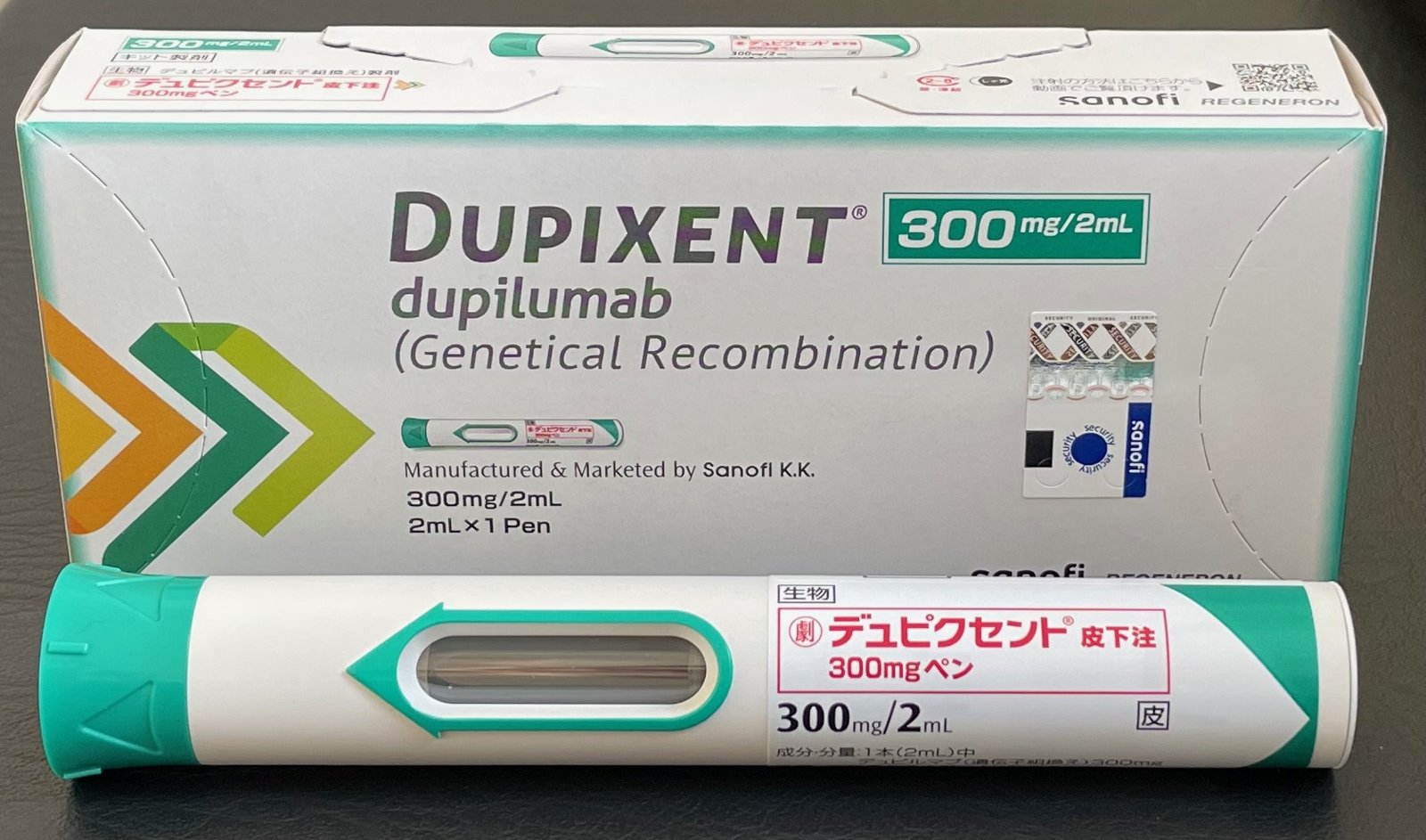
The FDA has approved Regeneron and Sanofi's Dupixent (dupilumab) for adults and children aged 6 and older with allergic fungal rhinosinusitis (AFRS) who have had sinus surgery, the companies said on February 24, in a release distributed by GlobeNewswire and read via BioSpace. The companies said Dupixent is the first medicine approved specifically for the condition.
The FDA reviewed the application under Priority Review. The approval is Dupixent's ninth indication in the U.S., AJMC reported, and adds AFRS to chronic rhinosinusitis with nasal polyps among its approved sinus and nasal uses.
AFRS is a chronic type 2 inflammatory disease of the sinuses driven by an allergic hypersensitivity to fungi. It is most common in warm, humid climates and can cause nasal polyps, congestion, loss of smell and, in more serious cases, erosion of the bone around the sinuses. The companies said current standard care is surgery and prolonged courses of systemic steroids, and that the disease often recurs.
Phase 3 trial results
The approval rests on LIBERTY-AFRS-AIMS, a 52-week, randomized, double-blind, placebo-controlled Phase 3 trial in 62 adults and children aged 6 and older, the companies reported. Thirty-three received an age- and weight-based dose of Dupixent every two or four weeks and 29 received placebo.
The primary endpoint was the change in sinus opacification, a CT-based measure of how much of the sinuses the disease fills. Scores improved by 50% on Dupixent versus 10% on placebo at Week 52 (p<0.0001).
Patient-reported nasal congestion improved by 81% versus 11% at Week 52, and nasal polyp size fell by 63% versus 4%. Loss of smell improved by 67% versus 19% at Week 24.
The companies reported a 92% reduction in the risk of needing systemic corticosteroids or surgery over 52 weeks. On Dupixent, 3% of patients received systemic corticosteroids and none had surgery, compared with 31% and 7% on placebo.
Safety and next steps
Safety results were similar to Dupixent's known profile in chronic rhinosinusitis with nasal polyps, the companies said. In that indication, the most common adverse reactions reported more often than with placebo include injection site reactions, conjunctivitis, joint pain, gastritis, insomnia, eosinophilia and toothache.
"Beyond reducing nasal signs and symptoms, Dupixent reduced the need for surgery or systemic corticosteroids with fewer patients having bone erosion in the sinuses," said George Yancopoulos, Regeneron's president and chief scientific officer.
Alyssa Johnsen, Sanofi's global head of immunology development, said the companies look forward to working with regulators in other countries. The release said additional submissions are planned with regulatory authorities around the world. Dupixent, a monoclonal antibody that blocks IL-4 and IL-13 signaling, is approved in more than 60 countries for one or more indications.
Sources
- Dupixent® (dupilumab) Approved in the U.S. as the First and Only Medicine for Allergic Fungal Rhinosinusitis (AFRS) (GlobeNewswire release, read via BioSpace), Regeneron and Sanofi via BioSpace, February 24, 2026
- FDA Approves Dupilumab for Allergic Fungal Rhinosinusitis, AJMC, February 24, 2026