FDA Approves Bristol Myers' Zenbexus Combination for Relapsed Multiple Myeloma
The accelerated approval of oral iberdomide with daratumumab and dexamethasone rests on minimal residual disease data from the Phase 3 EXCALIBER-RRMM trial, and continued approval depends on confirmatory trials.

The FDA approved this drug or biologic for a specific use.
Key points
- The FDA granted accelerated approval on August 13 to iberdomide (Zenbexus) with daratumumab and hyaluronidase-fihj and dexamethasone for adults with multiple myeloma after at least one prior line of therapy including a proteasome inhibitor and an immunomodulatory agent.
- In the Phase 3 EXCALIBER-RRMM trial, 41% of patients in the iberdomide arm reached MRD-negative complete response, against 21% on daratumumab, bortezomib and dexamethasone, according to the FDA.
- The label carries a boxed warning for embryo-fetal toxicity and thromboembolism, and the drug is available only through a REMS program.
The Food and Drug Administration on August 13 granted accelerated approval to Bristol Myers Squibb's iberdomide, sold as Zenbexus, in combination with daratumumab and hyaluronidase-fihj and dexamethasone for adults with multiple myeloma who have received at least one prior line of therapy including a proteasome inhibitor and an immunomodulatory agent, according to the agency's approval notice.
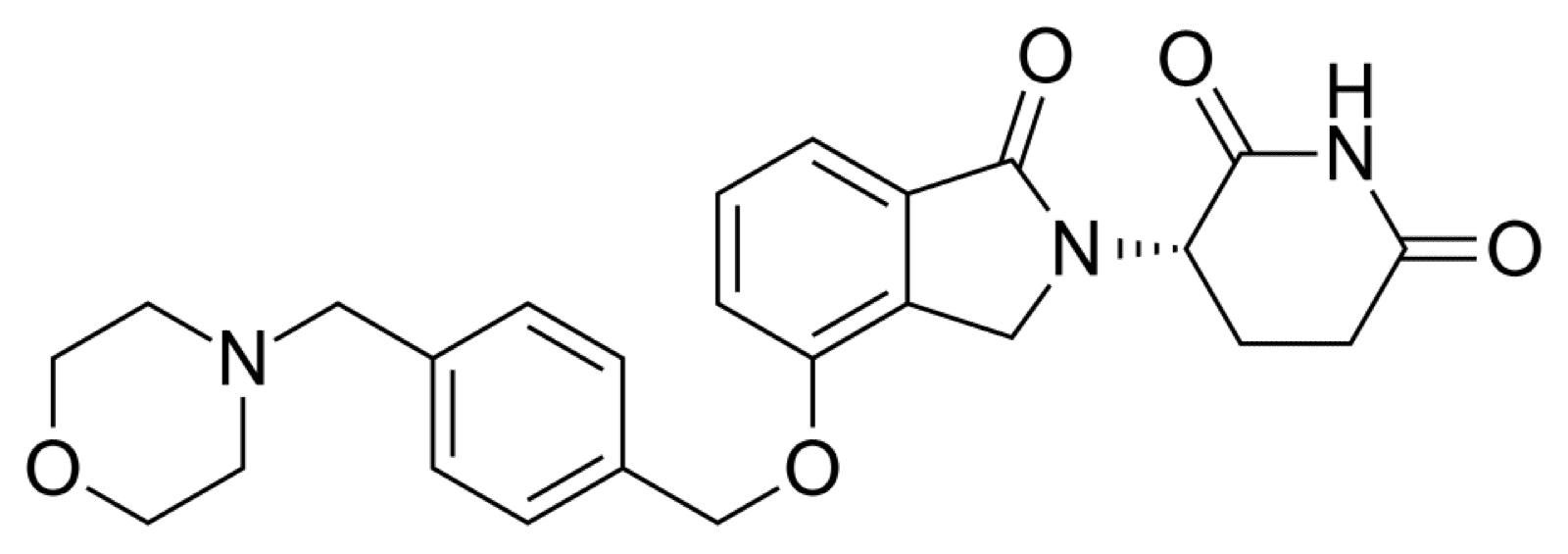
Iberdomide is an oral drug from a class Bristol Myers calls CELMoDs, or cereblon E3 ligase modulators. It is the company's first approval from that pipeline, pharmaphorum reported, and the regimen is known as ZDd.
The EXCALIBER-RRMM data
The FDA said efficacy was evaluated in EXCALIBER-RRMM, a two-stage, randomized, open-label Phase 3 trial in adults with relapsed or refractory multiple myeloma who had received one or two prior lines of therapy. Patients whose disease was refractory to prior anti-CD38 antibody therapy or to bortezomib were excluded.
In all, 939 patients were randomized. In the first stage, 279 patients were assigned to one of three iberdomide doses with daratumumab and dexamethasone, or to a comparator regimen of daratumumab, bortezomib and dexamethasone (DVd). In the second stage, 660 patients were assigned to iberdomide 1 mg with daratumumab and dexamethasone, or to DVd.
The main efficacy measure was minimal residual disease (MRD)-negative complete response at any time. In the primary efficacy population of the first 420 patients randomized to the 1 mg iberdomide regimen or to DVd, the MRD-negative complete response rate was 41% in the iberdomide arm and 21% in the DVd arm (p<0.0001), the agency said.
Because the approval is accelerated, it rests on that response measure rather than on survival. Full approval for this use will depend on verification of benefit in confirmatory trials, pharmaphorum noted.
Label, dosing and review
The prescribing information includes a boxed warning for embryo-fetal toxicity and serious venous and arterial thromboembolism, plus warnings for neutropenia, infections and second primary malignancies. Because of the embryo-fetal risk, iberdomide is available only through a restricted program, the ZENBEXUS Risk Evaluation and Mitigation Strategy (REMS), according to the FDA.
The recommended dose is 1 mg by mouth once daily on days 1 through 21 of each 28-day cycle, alongside subcutaneous daratumumab and hyaluronidase-fihj and oral dexamethasone, until disease progression or unacceptable toxicity.
The application received priority review, and iberdomide also had breakthrough therapy and orphan drug designations. The review ran under Project Orbis, the FDA Oncology Center of Excellence program for concurrent review with international partners; for this application the FDA worked with Switzerland's Swissmedic.
Bristol Myers' chief medical officer, Cristian Massacesi, said the approval "represents meaningful progress for patients living with multiple myeloma and underscores the power of our targeted protein degradation platform, particularly our CELMoD programmes," as quoted by pharmaphorum.
What comes next
Bristol Myers has two other CELMoDs in late-stage testing, golcadomide in lymphoma and mezigdomide in multiple myeloma, according to pharmaphorum. The company is relying on the class to support its myeloma business as its older drugs Revlimid (lenalidomide) and Pomalyst (pomalidomide) lose market exclusivity, the publication reported.
Sources
- FDA grants accelerated approval to iberdomide with daratumumab and hyaluronidase-fihj and dexamethasone for multiple myeloma, U.S. Food and Drug Administration, August 13, 2026
- BMS bags first approval for myeloma CELMoD Zenbexus, pharmaphorum, August 14, 2026