Arrowhead's Plozasiran Meets Phase 3 Goals in Severe Hypertriglyceridemia
The quarterly injection cut triglycerides by a median 79% and 81% at 12 months in SHASTA-3 and SHASTA-4 and reduced acute pancreatitis events, the company said.
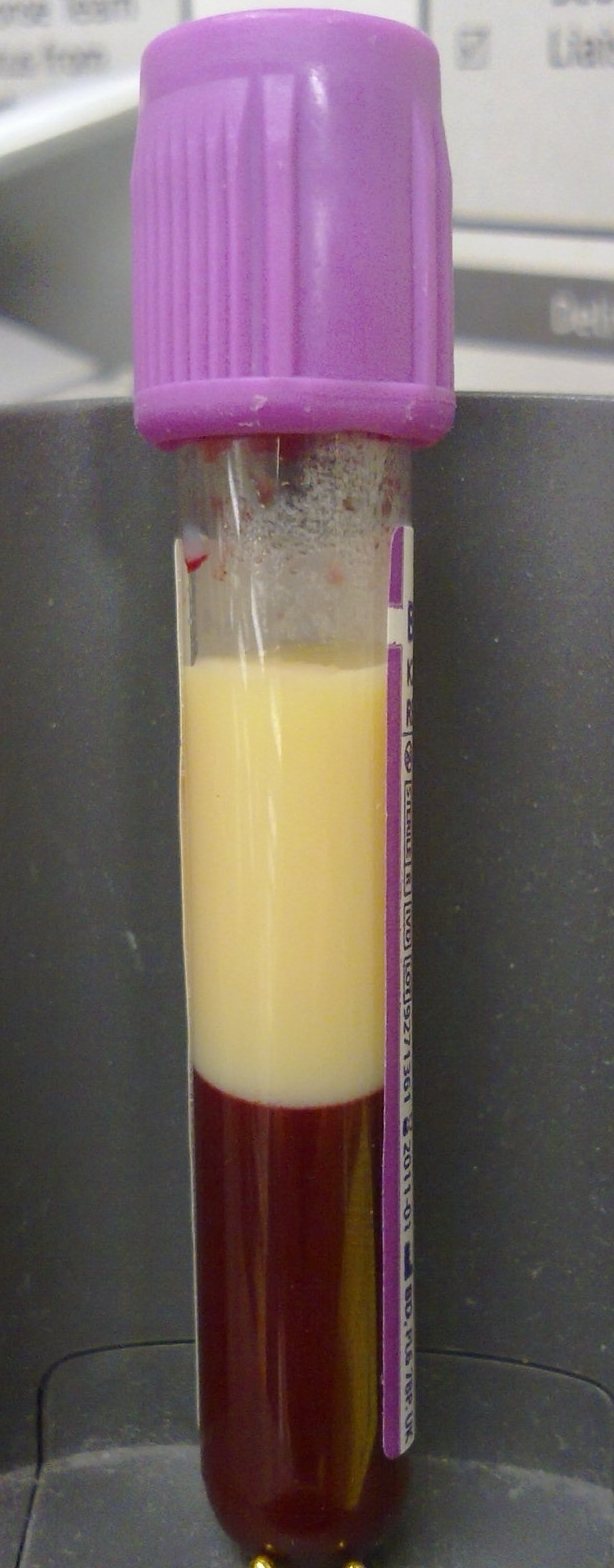

These results come from a Phase 3 trial, the large trial usually needed before approval.
Key points
- Arrowhead Pharmaceuticals said on July 22 that plozasiran met the primary endpoint and all prespecified secondary endpoints in the Phase 3 SHASTA-3 and SHASTA-4 trials in severe hypertriglyceridemia.
- Median triglyceride reductions were 79% and 81% at month 12, against about 27% on placebo, and a pooled analysis showed a statistically significant reduction in acute pancreatitis.
- Arrowhead plans to file a supplemental new drug application with the FDA before the end of 2026 and to present detailed data at the European Society of Cardiology Congress on August 30.
Arrowhead Pharmaceuticals said on July 22 that plozasiran met the primary endpoint of triglyceride reduction versus placebo in two Phase 3 trials, SHASTA-3 and SHASTA-4, in adults with severe hypertriglyceridemia (sHTG), HCPLive reported. Both studies also met all prespecified secondary endpoints, including a statistically significant reduction in acute pancreatitis compared with placebo. The results are company-reported topline data.
The results
Plozasiran, given as a 25 mg subcutaneous injection once every three months, produced median triglyceride reductions of 79% and 81% at month 12 in the two trials, compared with a reduction of about 27% on placebo, Clinical Trials Arena reported.
In a pre-planned pooled analysis of the two trials, plozasiran reduced both the share of patients with at least one acute pancreatitis event (p<0.0221) and the total incidence of such events (p<0.0077) versus placebo. In the broad study population, defined as patients with triglycerides above 500 mg/dL with or without a prior history of acute pancreatitis, cumulative events fell by 78%. In a subset of patients with triglycerides above 880 mg/dL and a prior history of acute pancreatitis, the company reported a 100% reduction in events versus placebo.
Arrowhead said adverse events were consistent with the drug's established safety profile, with no new safety signals and no clinically meaningful differences in routine laboratory measurements. In a prespecified subgroup, there was no statistically significant difference in liver fat measured by MRI between plozasiran and placebo, and there were no cases of hypersensitivity and no thrombocytopenia signal, according to HCPLive.
"These findings highlight the potential of plozasiran as a promising therapy for patients across the spectrum of sHTG," said James Hamilton, chief medical officer and head of R&D at Arrowhead.
The trials and next steps
SHASTA-3 and SHASTA-4 are global, double-blind, placebo-controlled Phase 3 studies that together randomised about 750 adults with sHTG to four quarterly doses of plozasiran or placebo. The primary endpoint is the percent change in fasting triglycerides from baseline to month 12. Eligible participants can continue in an optional open-label extension.
Plozasiran is designed to suppress production of apolipoprotein C-III (APOC3), which reduces triglyceride levels, according to the company. The FDA has already approved it, alongside diet, to reduce triglycerides in adults with familial chylomicronemia syndrome (FCS).
Arrowhead said it plans to use data from SHASTA-3, SHASTA-4 and a third Phase 3 study, MUIR-3, to seek approval in sHTG in multiple regions, starting with a supplemental new drug application to the FDA before the end of 2026. Detailed results are scheduled for presentation as a Hot Line late-breaker at the European Society of Cardiology Congress on August 30, 2026.
Sources
- Plozasiran Meets Primary Endpoint in SHASTA-3, SHASTA-4 sHTG Trials, HCPLive, July 22, 2026
- Arrowhead topline data from plozasiran trials, Clinical Trials Arena, July 22, 2026