FDA Warning Letter Faults Medline Over Namic Angiographic Syringe Complaints
The letter, posted April 7, says Medline's fixes for syringes disconnecting from manifolds did not match the risk, as the FDA separately lists the syringes' removal as its most serious recall type.

Key points
- The FDA posted a March 25 warning letter to Medline Industries citing quality system violations at its NAMIC division in Glens Falls, New York.
- The letter says Medline received 221 complaints and filed 177 medical device reports about Namic angiographic control syringes disconnecting from manifolds before taking limited corrective action.
- In a separate notice updated April 9, the FDA identified Medline's removal of Namic rotating adaptor syringes as the most serious type of recall, with four serious injuries reported as of March 13.
The US Food and Drug Administration has published a warning letter to Medline Industries that says the company's handling of complaints about its NAMIC brand angiographic control syringes was not commensurate with the risk, according to the letter dated March 25 and posted on the FDA's website on April 7.
The letter, signed by Barbara A. Marsden, director of the Office of Regulatory Programs in the Center for Devices and Radiological Health's Office of Product Evaluation and Quality, follows an inspection of Medline's NAMIC division in Glens Falls, New York, from December 1 to December 12, 2025. The FDA said the inspection showed the facility's devices are adulterated because the methods and controls used to make them do not conform to the Quality System regulation.
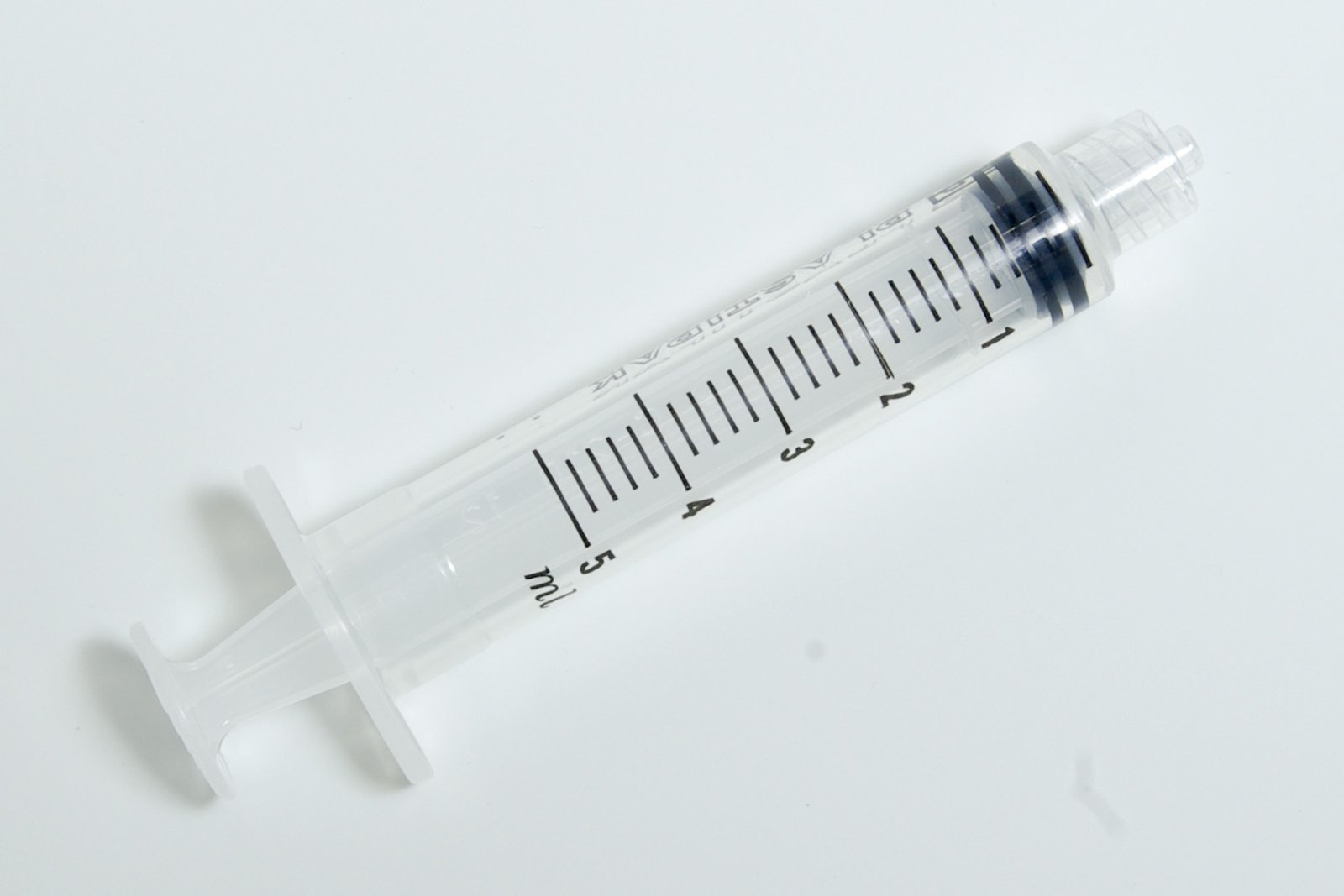
The syringes and manifolds are used for the intra-arterial or intravenous administration of radiographic contrast media, according to the letter.
Complaints about disconnections
The FDA's first and longest citation concerns corrective and preventive action. According to the letter, Medline opened a corrective action in June 2023 after an increase in complaints that the syringes were disconnecting from manifolds, which the company attributed to excess silicone. A health hazard evaluation dated June 11, 2024, rated the risk as low, which the FDA said was inconsistent with Medline's own design risk analysis identifying "air embolism" as the highest severity issue for loose connections.
"Your firm's corrective actions only included scrapping devices in inventory and increasing the cleaning frequency of the (b)(4) machine to prevent excess silicone from migrating to the luer connector, despite receiving 221 complaints and filing 177 MDRs for the disconnection of the NAMIC Angiographic Control Syringes from manifolds which impact patients and clinicians," the letter says. It cites one report involving the injection of air into a patient and one involving biohazard exposure of a clinician.
The FDA also said complaint rates for syringes made after the corrective action rose above Medline's own threshold in each of the first three quarters of 2025 without the company reopening the action. In responses dated January 13 and February 27, 2026, Medline acknowledged the corrective action was not effective, opened a new one and revised its plan from a field notice to a removal of the syringes, the letter says. The FDA called the responses inadequate, saying no timeline was given for the new investigation into the cause of the disconnections.
The letter also cites cleaning of manufacturing equipment, noting particulate seen on top of machines in cleanrooms and about 114 complaints of foreign matter or hair from December 2023 to December 2025, and design verification of polycarbonate luer connectors. Medline was asked to respond within fifteen business days of receiving the letter. The FDA said failure to address the violations may result in regulatory action, including seizure, injunction and civil money penalties.
Removal listed as most serious recall
In a separate recall notice updated April 9, the FDA said it has identified Medline's removal of all Namic Angiographic Rotating Adaptor (RA) Control Syringes, and convenience kits containing them, as the most serious type of recall. Medline sent customers an Urgent Medical Device Recall notice on February 27, the agency said.
According to the notice, Medline stated that the rotating adaptor may unwind during use, causing a loose connection or full disconnection between syringe and manifold, with potential for biohazard exposure, blood loss, infection and air embolism. "As of March 13, Medline Industries has reported four serious injuries and no deaths associated with this issue," the FDA said.
The FDA recommends removing and destroying the syringes and over-labeling affected kits. The notice says that in rare cases where angiography is urgently needed and no alternative is available, the syringe may be used with extreme caution and continuous monitoring.
Medical Device Network reported on April 9 that the letter is the first major regulatory hurdle for Medline since its Nasdaq listing in December 2025.
Sources
- Warning Letter: Medline Industries, LP - 723866 - 03/25/2026, US Food and Drug Administration, April 7, 2026
- Angiographic Syringe Recall: Medline Industries Removes Namic Angiographic Rotating Adaptor Control Syringes, US Food and Drug Administration, April 9, 2026
- Medline hit with FDA warning letter over angiographic syringe manufacturing failures, Medical Device Network, April 9, 2026