FDA Says True Metrix Glucose Meter Users Should Move to Alternatives Over E-5 Error Code
An April 28 safety communication on Trividia Health's meters says one error code covers both very high blood glucose and test strip faults; the company had reported 114 serious injuries and one death.
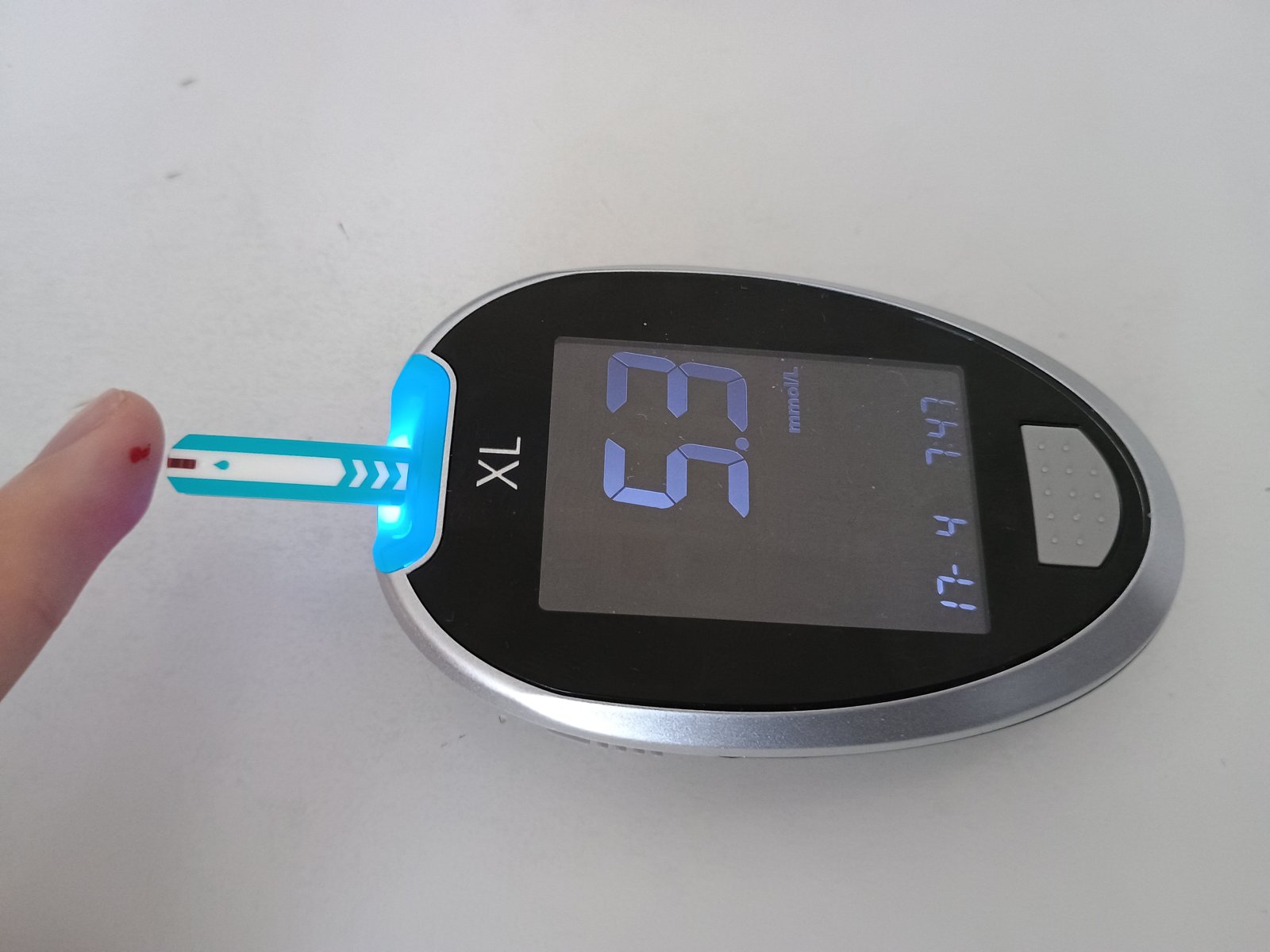

Key points
- The FDA issued a safety communication on April 28 recommending that users of Trividia Health's True Metrix blood glucose meters transition to another testing method when possible.
- According to the FDA, the meters show the same E-5 error code for blood glucose above 600 mg/dL and for test strip errors, which the agency said can lead to delayed or improper treatment.
- As of January 16, 2026, Trividia had reported 114 serious injuries and one death associated with the issue; the FDA has identified the February 2026 recall as Class I.
The US Food and Drug Administration has recommended that all users of Trividia Health's True Metrix blood glucose meters transition to an alternative method of testing blood glucose when possible, according to a safety communication issued April 28, read in its April 28 version via the Internet Archive.
The communication covers all True Metrix, True Metrix Air and True Metrix Go self-monitoring systems and the True Metrix Pro professional system, including co-branded products sold under store or distributor names. The FDA said users "should not stop using their TRUE METRIX meter until they have an alternative method available for testing."
One code, two meanings
The recall concerns the software design of the meters' E-5 error code and the instructions for it in the owner's booklets and online guides, according to the FDA. The meters display the same code for two different problems: a very high blood glucose event, above 600 mg/dL, or a test strip error.
The agency said a user with very high glucose who assumes the code reflects a strip error may not seek appropriate treatment, while a user who assumes high glucose when the reading is actually low or normal "may improperly treat themselves for high blood glucose." Either situation may result in serious adverse health consequences, the FDA said, including dehydration, altered mental status, loss of consciousness or death.
"As of January 16, 2026, Trividia Health has reported 114 serious injuries and one death associated with this issue," the communication says. The FDA said it has identified Trividia's February 2026 recall of the systems as a Class I recall, the most serious type.
The FDA said it is especially important for users at highest risk, including those on intensive insulin therapy or sulfonylureas or who have frequent high and low blood glucose events, to transition to another system. The agency also asked health care providers to notify patients who use the devices of its updated recommendations.
Labeling correction came first
MedTech Dive reported on April 30 that Trividia wrote to customers in February about a labeling correction that added a warning to the E-5 section advising users who receive the code to retest with a new test strip, and that the FDA published an early alert about the recall that month. The meter, test strips and control solution remain on the market, the publication said.
Trividia's recall covers co-branded products sold with partners including CVS, Henry Schein, Kroger, McKesson, Rite Aid and Walgreens, according to MedTech Dive. The FDA said it will continue working with Trividia to evaluate the issue and identify additional mitigation strategies as needed, and will keep monitoring medical device reports.
Sources
- Risks of Using TRUE METRIX Blood Glucose Monitoring Systems by Trividia Health: FDA Safety Communication, US Food and Drug Administration, read via Internet Archive (snapshot of 2026-04-29), April 28, 2026
- FDA advises users of Trividia glucometer to switch to alternatives, MedTech Dive, April 30, 2026