FDA Proposes Moving Digital Breast Tomosynthesis Systems to Class II
The proposed order would let new 3D mammography systems reach the market through 510(k) clearance with special controls, instead of premarket approval.

Key points
- The FDA proposed on August 10, 2026 to reclassify digital breast tomosynthesis systems (product code OTE) from Class III to Class II with special controls; comments are due October 9.
- The agency cited four approved original PMAs since 2011, a 42-study meta-analysis and adoption at 94 percent of 9,107 certified US mammography facilities.
- New DBT systems would still need 510(k) clearance; the proposal does not cover FFDM systems or dedicated breast CT.
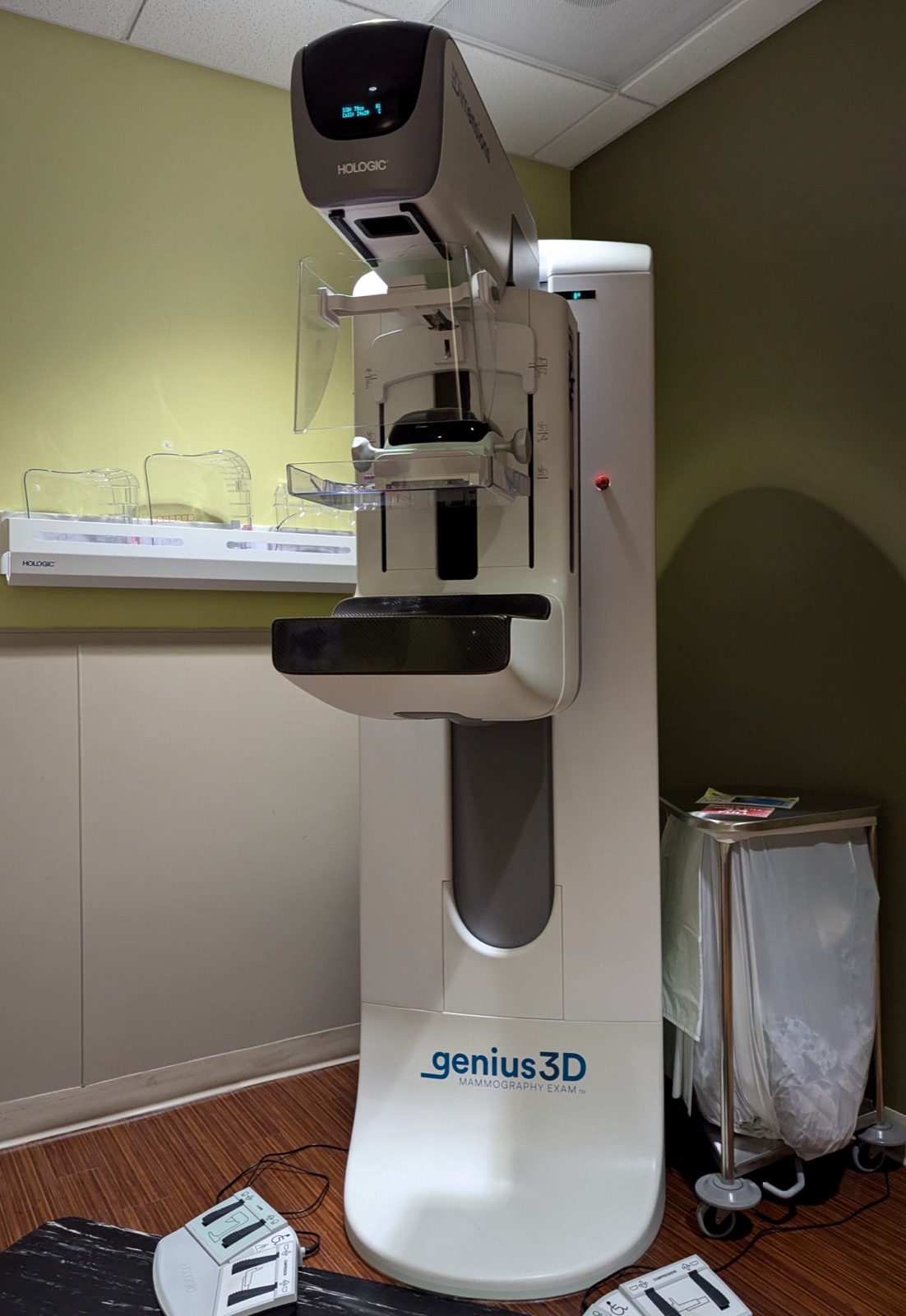
The FDA on Monday proposed moving digital breast tomosynthesis (DBT) systems, the 3D mammography machines now found in most US screening facilities, out of the agency's highest-risk device class, so that new systems could reach the market through a 510(k) clearance instead of premarket approval.
The proposed order, published in the Federal Register (Docket No. FDA-2026-N-7630), would reclassify DBT systems under product code OTE from Class III (premarket approval) into Class II (special controls) and create a new classification regulation named "Digital Breast Tomosynthesis System." Comments are due October 9, 2026. The FDA proposed that a final order take effect 30 days after it is published.
Fifteen years of approvals
DBT systems have been Class III by default because they were not on the market before May 28, 1976, and have never been reclassified, the order says. The FDA approved the first system, Hologic's Selenia Dimensions 3D, on February 11, 2011, after an advisory panel concluded that its benefits outweighed its risks. Since then the agency has approved three more original premarket approval applications and 26 supplements under the product code, including a 2012 panel-track supplement that let the Hologic system produce synthesized 2D images in place of a separate conventional mammogram.
The agency said it is acting on its own initiative. It wrote that the safety and effectiveness of the device type "have become well established since the initial approval of the first DBT system in 2011." The order cites a meta-analysis of 42 published studies covering 2,606,269 patients, which found that DBT combined with conventional full-field digital mammography (FFDM) or with synthesized 2D images detected more cancers than FFDM alone, and that the DBT-plus-synthesized-2D combination had the lowest recall rate. FFDM systems, which the FDA says have similar performance characteristics and risks, are already regulated as Class II devices with special controls.
The FDA also points to adoption: as of July 8, 2026, 94 percent of the 9,107 certified mammography facilities in the US had DBT units, according to the agency's Mammography Quality Standards Act statistics. A search of the agency's recall database as of July 21 found five Class II recalls and no Class I recalls for DBT systems, with no injuries reported from those recalls. The FDA said it had received 968 medical device reports for the product code, and that about 1 percent reported a serious injury attributed to use of the device but not necessarily caused by it.
What the special controls would require
The order lists 10 risks to health the FDA associates with DBT systems, among them corrupted or non-diagnostic images, misinterpretation leading to false positive or false negative results, inadequate breast coverage, inappropriate compression and excessive x-ray exposure. The proposed special controls to address them include:
- Bench testing of imaging characteristics such as spatial resolution, noise, detector lag, exposure control and radiation dosimetry.
- An objective, task-based assessment of diagnostic accuracy using a human reader study, structured physical phantoms, in silico (computer-modeled) trials, or a combination.
- Clinical image evaluation, software verification and validation, electrical safety and electromagnetic compatibility testing, and biocompatibility for parts that touch the patient.
- Labeling that summarizes performance testing, describes the training needed to use the device, and gives quality control and cleaning instructions.
The FDA did not propose exempting DBT systems from premarket notification, so manufacturers would still need 510(k) clearance before marketing a system. The agency said the change "will decrease regulatory burden on industry" and could let more manufacturers develop the devices. It added that manufacturers could use predetermined change control plans to make some future modifications without a new 510(k) for each change.
The proposal does not cover FFDM systems, which are already Class II, or dedicated breast computed tomography systems, which remain Class III, the order says. Facilities using DBT remain subject to the Mammography Quality Standards Act.
Sources
- Radiology Devices; Reclassification of Digital Breast Tomosynthesis System, Federal Register, August 10, 2026