FDA Moves Non-Invasive Bone Growth Stimulators From Class III to Class II
A final order published April 16 lets makers of the fracture and spinal fusion devices seek 510(k) clearance instead of premarket approval, subject to new special controls that include clinical data.

Key points
- FDA issued a final order reclassifying non-invasive bone growth stimulators, product codes LOF and LPQ, from class III to class II, effective May 18, 2026.
- Manufacturers will be able to submit a 510(k) rather than a premarket approval application, but must meet special controls covering clinical data, thermal safety, signal characteristics, reliability and labeling.
- The order finalizes a proposal from August 2020; FDA declined an advisory panel's recommendation to add a postmarket surveillance requirement.
The US Food and Drug Administration has reclassified non-invasive bone growth stimulators from class III to class II, according to a final order published in the Federal Register on April 16. The order takes effect May 18, 2026.
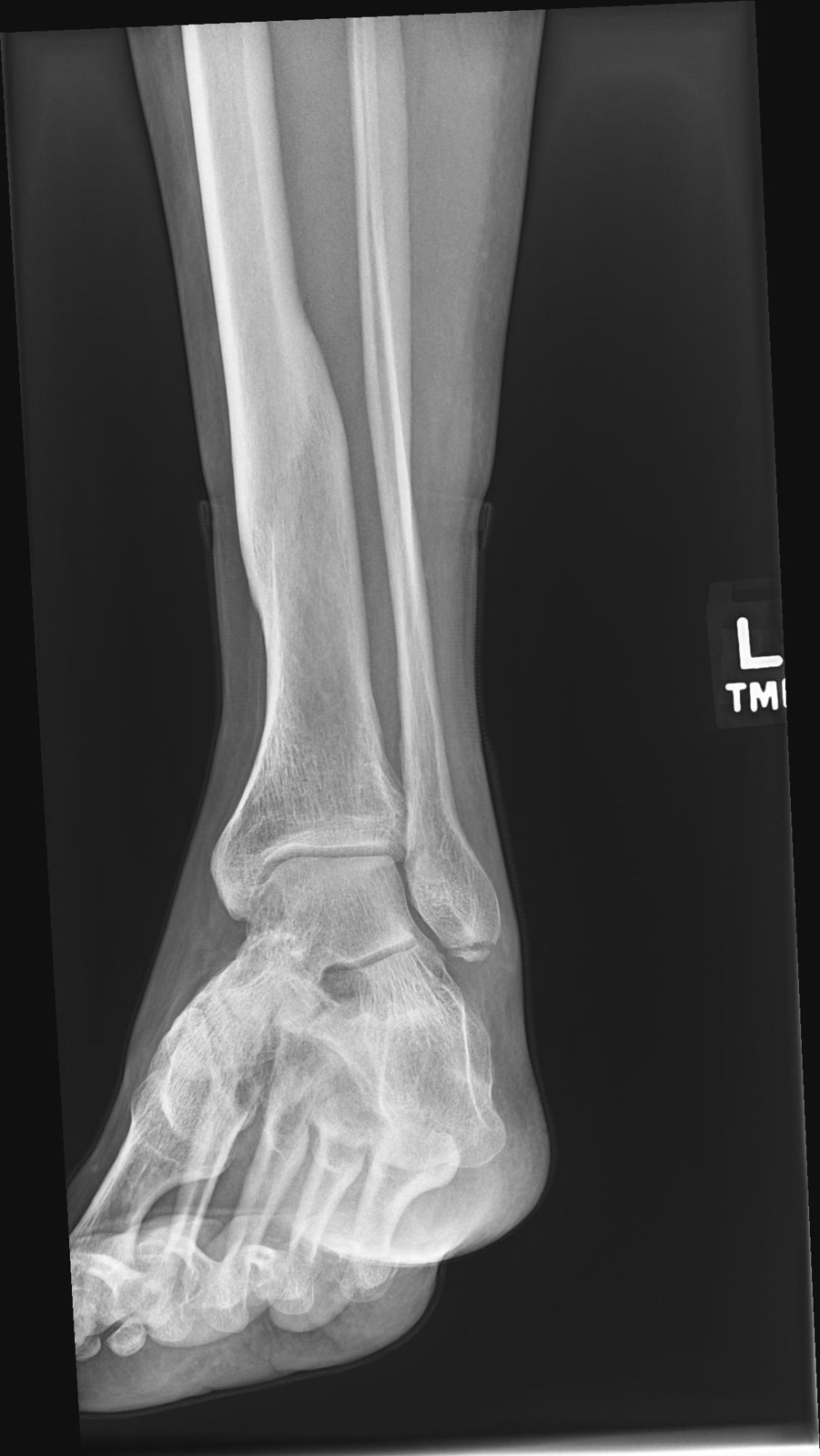
The change covers devices intended to promote bone formation as an adjunct to primary treatments for fracture fixation and spinal fusion, or as a treatment for established nonunions or failed fusions, under product codes LOF and LPQ. The order places them under a new classification regulation, "non-invasive bone growth stimulator," and sets special controls for the device type.
"For these class II devices, instead of a PMA, manufacturers may submit a premarket notification and obtain FDA clearance of the devices before marketing them," the agency wrote. FDA said the move will decrease regulatory burden because a 510(k) "typically results in a shorter premarket review timeline compared to a PMA," and that it expects the reclassification to enable more manufacturers to develop such devices.
A proposal from 2020
The final order completes a proposed order published on August 17, 2020. The agency's Orthopaedic and Rehabilitation Devices Panel discussed the proposal on September 8-9, 2020, and unanimously agreed that general controls alone are not sufficient and that enough information exists to write special controls, according to the order. All but one panel member agreed the devices are not life-supporting or life-sustaining or of substantial importance in preventing impairment of human health.
FDA said it received comments from fewer than 10 commenters, including Congressional representatives, a trade organization and an orthopaedic scientist-surgeon. Some supported reclassification. Two comments representing multiple parties argued the devices should stay in class III because class II controls would be insufficient, a position FDA rejected.
The panel recommended adding a postmarket surveillance special control. FDA disagreed, saying the safety profile "is based on a long history of use of these devices" and noting that none of the stimulators on the market under an approved PMA has required or relied on post-approval studies.
What the special controls require
The special controls cover clinical performance data, non-clinical performance testing and labeling. FDA said it revised the clinical data control in response to comments to require imaging data, but declined to require prospective randomized trials. The order says other sources, such as non-randomized studies compared to registry data or real-world evidence, may meet FDA's standards for valid scientific evidence. Applicants may also rely on clinical data from a legally marketed stimulator if they show their device's critical signal parameters and operating modality are sufficiently similar, the order says.
Non-clinical testing must verify thermal safety, that signal characteristics are within safe physiologic limits, and that device reliability matches the expected use-life, since the devices "are generally used daily by patients for several months," according to the order. FDA said thermal risks differ by technology: pulsed electromagnetic field and combined magnetic field devices can induce currents in nearby metal implants, capacitive coupling devices can leak current, and low-intensity pulsed ultrasound devices can heat deep tissue. The labeling control now requires "a detailed summary of the supporting clinical data."
Sources
- Physical Medicine Devices; Reclassification of Non-Invasive Bone Growth Stimulators (final order), Federal Register (US Food and Drug Administration), April 16, 2026