FDA Drafts Guidance on Validating Non-Animal Test Methods for Drug Development
The CDER draft sets four principles for when organ-on-chip, in silico and other new approach methodologies can stand in for animal studies in drug applications.

Key points
- FDA issued draft guidance on March 18 on validating new approach methodologies (NAMs) used instead of animal testing in drug development.
- The draft sets four principles: context of use, human biological relevance, technical characterization and fit-for-purpose; it does not address specific methods.
- The FDA also revised its pyrogen and endotoxins testing guidance to cover recombinant reagents for endotoxin testing of drugs and devices.
The US Food and Drug Administration on March 18 issued draft guidance setting out how drug developers should validate new approach methodologies (NAMs) used in place of animal testing, according to an FDA news release. The agency called the draft "another major milestone in the implementation of the FDA's roadmap to reducing animal testing."
The draft, "General Considerations for the Use of New Approach Methodologies in Drug Development," was issued by the Center for Drug Evaluation and Research under docket FDA-2025-D-6131, according to the FDA's guidance page. It describes CDER's general recommendations for validating NAMs when nonclinical NAM data are provided in support of a drug application or an over-the-counter monograph order.
Drug sponsors must submit nonclinical pharmacology and toxicology data before investigational drugs can move into clinical trials. Many of those studies have been done in animals, but CDER routinely reviews NAM data when the method demonstrates reliability and scientific validity, the FDA said.
Four validation principles
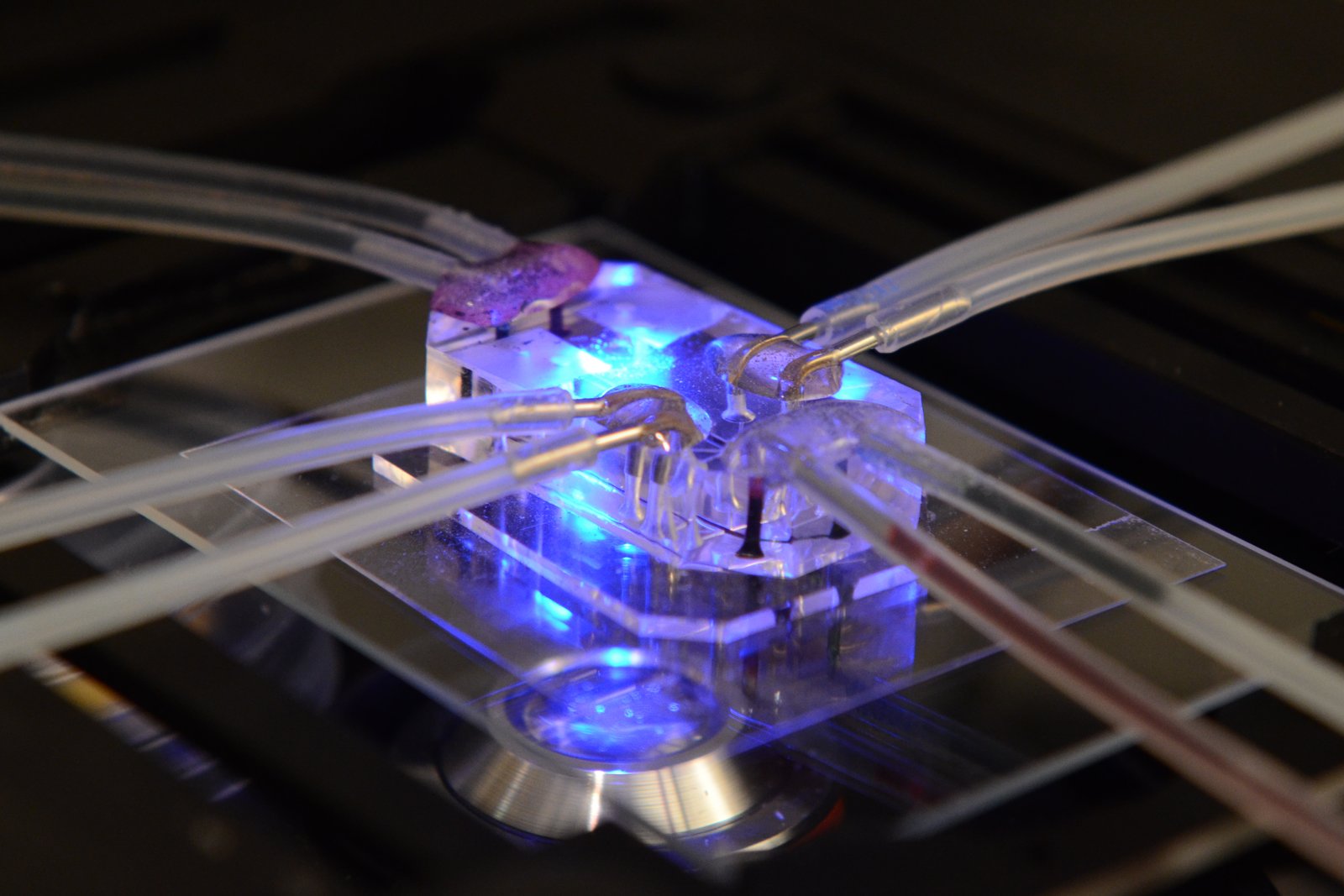
The draft sets out four core principles: context of use, a clear definition of the method's regulatory purpose; human biological relevance, showing how the method can assess toxicity; technical characterization, establishing that the method is robust, reliable and reproducible; and fit-for-purpose, meaning the method helps in regulatory decision-making. Examples of NAMs listed by the FDA include in vitro studies, organoids, spheroids and organs-on-chips, chemical reactivity studies, in silico modeling and studies in "phylogenetically lower" animals such as zebrafish.
Regulatory Focus, published by RAPS, reported that the guidance says "an in vitro NAM might help to understand a mechanism of toxicity or mechanism of action seen in humans which cannot be modeled in animals due to species-specific differences." The draft does not address specific methods or drug discovery, and the FDA encourages developers to consult the relevant review division, particularly for indication-, disease-, organ- and endpoint-specific uses.
"Technological advances are allowing us to move beyond animal testing in drug development, which has a poor track record of predicting safety and efficacy in humans," FDA Commissioner Marty Makary said in the release. Acting CDER Director Tracy Beth Hoeg said it is "time for the FDA to shift the drug development paradigm away from the current default of using animals to predict human responses."
Background and a device-relevant update
RAPS noted that the FDA Modernization Act 2.0, passed in December 2022, confirmed that non-animal alternatives can support an investigational new drug application or a biosimilar biologics license application, and that the FDA announced a plan in April 2025 to phase out animal testing using NAMs. The FDA said the new draft follows December 2025 draft guidance on reducing testing on non-human primates for certain monoclonal antibodies.
Alongside the NAMs draft, the FDA announced a level 2 revision of its final guidance "Pyrogen and Endotoxins Testing: Questions and Answers." The agency said the revision aligns with USP Chapter 86 on bacterial endotoxins testing using recombinant reagents and provides clarity to manufacturers moving to recombinant reagents for endotoxin testing of drugs and devices.
RAPS reported that comments on the NAMs draft are being accepted at regulations.gov through May 19.
Sources
- FDA Releases Draft Guidance on Alternatives to Animal Testing in Drug Development, US Food and Drug Administration, March 18, 2026
- General Considerations for the Use of New Approach Methodologies in Drug Development (guidance page; page as updated 2026-03-19; facts cited were in the 2026-03-18 version), US Food and Drug Administration, March 18, 2026
- FDA drafts guidance on animal testing alternatives, Regulatory Focus (RAPS), March 18, 2026