FDA Drafts Guidance on Pens, Syringes and Other Device Parts for Biosimilars
Sponsors would compare their delivery device's user interface with the reference product's in three structured analyses, with human factors data possible when differences touch critical tasks.

Key points
- The FDA issued draft guidance on July 31, 2026 on container closure systems and device constituent parts, such as prefilled syringes and autoinjectors, for proposed biosimilar and interchangeable biosimilar products, fulfilling a BsUFA III commitment.
- Sponsors would run a physical comparison, a comparative task analysis and a line-by-line labeling comparison against the reference product, then classify any difference as minor or as one that may affect a critical task.
- A biosimilar could be licensed in a different presentation, such as an autoinjector when the reference product comes in a vial, but not if the difference changes the route, dosage form, strength or an approved condition of use.
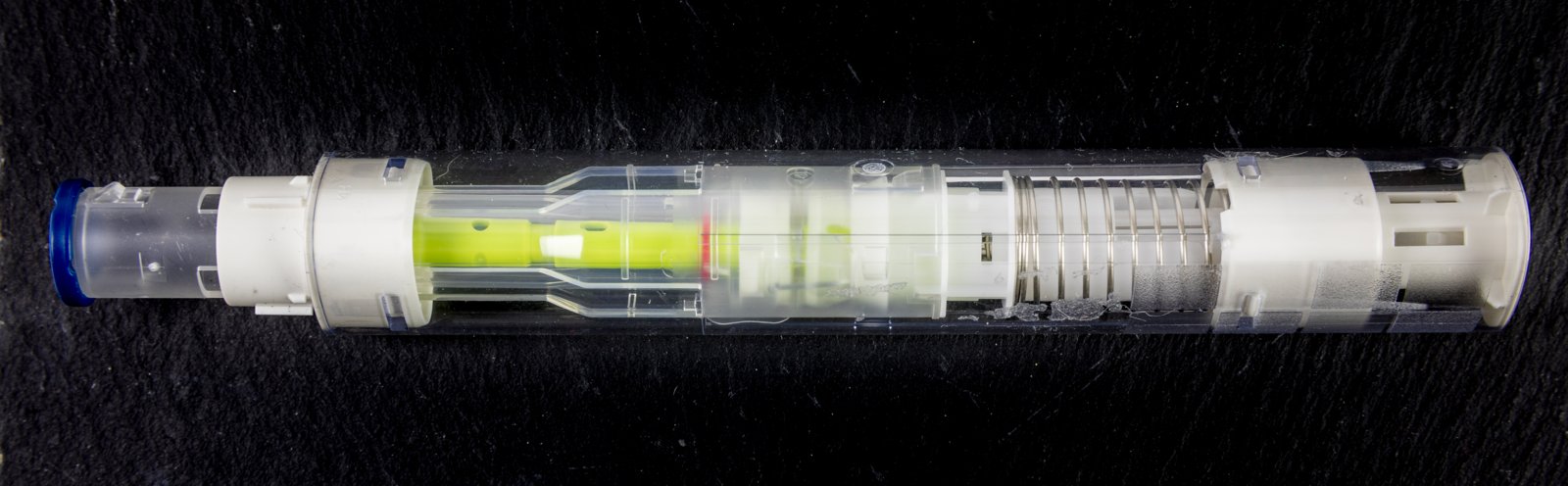
The FDA on Friday issued draft guidance on how companies developing biosimilar and interchangeable biosimilar products should design and support the delivery devices and containers that come with them, such as prefilled syringes and autoinjector pens.
The draft guidance, from the Center for Drug Evaluation and Research and the Center for Biologics Evaluation and Research, prepared with the Office of Combination Products and the Center for Devices and Radiological Health, covers therapeutic protein products submitted under the abbreviated 351(k) pathway. It uses the term presentation to mean container closure systems and device constituent parts. According to the document, the FDA agreed to issue guidance on this topic in its commitments for the current Biosimilar User Fee Act, BsUFA III. RAPS reported the release the same day.
When finalized, the FDA said, it intends to update the presentation section of its guidance on demonstrating interchangeability and remove a related question from its biosimilar questions-and-answers guidance.
Comparing user interfaces
The draft says quality expectations for containers and device parts are generally the same for biosimilars as for original biologics. Applications should include complete chemistry, manufacturing and controls information on the presentation, with studies such as extractables and leachables, performance and stability testing showing the device part is compatible with the final formulation.
The central recommendation is a stepwise comparison of the proposed product's user interface with the reference product's. The FDA recommends three analyses:
- A physical comparison of the device constituent part, including visual, auditory and tactile features and internal mechanics, such as the force needed to push a button to inject.
- A comparative task analysis breaking down each step users take with both products.
- A side-by-side, line-by-line comparison of labeling, including on-device labels, cartons and instructions for use.
Sponsors would then classify each difference as a minor design difference, which does not affect a design feature a user relies on to perform a critical task, or an "other design difference" that may. The FDA defines critical tasks as those that, if performed incorrectly or not at all, would or could cause harm to the patient or user. It recommends submitting the analyses to the investigational new drug application for agency input before filing a biologics license application.
When more data may be needed
For biosimilars with only minor differences, the draft says sponsors may not need data beyond the comparative analyses. Where an other design difference remains, a human factors validation study including current or previous users of the reference product may be needed in some cases. For interchangeable products, which may be substituted without the prescriber's intervention, the FDA may ask for in vitro data, comparative use human factors studies or other information to show a difference does not preclude a finding of interchangeability.
The draft also addresses presentations the reference product does not come in. The FDA said a biosimilar might be licensed as a prefilled syringe or autoinjector even if the reference product is sold in a vial, provided it meets the biosimilarity standard, though human factors data may be needed. It would not license a biosimilar if the presentation produced a clinically meaningful difference in safety, purity or potency, a different route of administration, dosage form or strength, or a condition of use not approved for the reference product.
The guidance does not apply to generic drug-device combination products submitted in abbreviated new drug applications. Comments are being taken under docket FDA-2026-D-4272.
Sources
- Biosimilar and Interchangeable Biosimilar Products: Considerations for Container Closure Systems and Device Constituent Parts, Draft Guidance for Industry (PDF), U.S. Food and Drug Administration, July 31, 2026
- Biosimilar and Interchangeable Biosimilar Products: Considerations for Container Closure Systems and Device Constituent Parts (guidance page as updated 08/21/2026; facts cited were in the 07/31/2026 release), U.S. Food and Drug Administration, July 31, 2026
- FDA drafts guidance on container closure systems, device constituents for biosimilars, RAPS, July 31, 2026