FDA Device Center Publishes 73 Examples of Real-World Evidence in Marketing Decisions
The catalog covers authorizations from fiscal 2020 to 2025, most of them 510(k)s, and adds new sections on device-generated and public health surveillance data.

Key points
- CDRH published 73 examples of device marketing authorizations from fiscal years 2020 to 2025 that used real-world evidence, following 90 examples from 2012 to 2019.
- The set includes 44 510(k)s, 7 De Novo requests, 1 humanitarian device exemption, 9 PMAs and 12 PMA supplements, and adds sections on device-generated and public health surveillance data.
- CDRH leaders highlighted real-world data used to validate AI and machine learning software, including ICU, ECG and sleep-study examples.
The US Food and Drug Administration's device center has published 73 examples of marketing authorizations from fiscal years 2020 to 2025 that relied on real-world evidence, updating a catalog of how data from routine care have supported device decisions, according to a post on the FDA Voices blog dated April 2 and the report itself.
The post was written by Michelle Tarver, director of the Center for Devices and Radiological Health (CDRH), and Daniel Caños, director of CDRH's Office of Clinical Evidence and Analysis. The new set builds on 90 examples from fiscal years 2012 to 2019 that the center published earlier. The FDA says the 73 examples do not make up an exhaustive list of submissions that relied on real-world evidence.
What the 73 examples cover
The examples comprise 44 510(k) premarket notifications, 7 De Novo classification requests, 1 humanitarian device exemption, 9 premarket approval applications and 12 PMA supplements, according to the report's executive summary. They span all eight of CDRH's Offices of Health Technology, and three examples show real-world evidence used across the product lifecycle, supporting both premarket evidence and post-approval studies.
The report is organized by device type and by data source, including medical records, administrative claims, registries, device-generated data, public health surveillance data and combinations of sources. Sections for device-generated data and public health surveillance data are new in this edition, reflecting the expanded list of data sources in the real-world evidence guidance CDRH issued in December 2025, the report says.
The examples include real-world evidence serving as the primary source of clinical evidence for new devices and expanded indications, as supplementary evidence, and as external or historical control arms. The report also points to registry-claims data linkage for long-term postmarket surveillance, propensity score methods to address confounding and selection bias, and hybrid designs combining prospective trial data with registry data.
Software and AI validation
Tarver and Caños wrote that the new examples "highlight the growing use of RWD to validate device software functions, including artificial intelligence (AI) and machine learning (ML)-enabled technologies." They cited the clearance of a machine learning-based function to predict hemodynamic instability (K200717), supported by retrospective medical record data from intensive care unit stays, and two AI-enabled electrocardiogram software clearances (K250119 and K250649) validated against echocardiogram-derived ejection fraction measurements from routine practice.
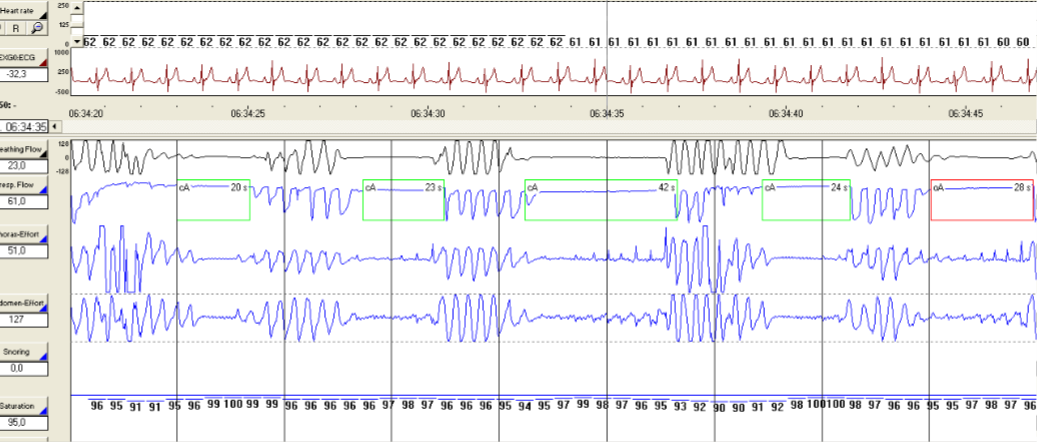
They also cited automatic event detection software for polysomnography, evaluated with archived sleep recordings from routine care and compared with clinicians' manual scoring, which supported clearances K241960 and K221179.
The FDA said it is "redoubling efforts" to use real-world evidence across a wider range of devices and continues to work with the National Evaluation System for health Technology to identify high-quality data sources for regulatory use. The report encourages sponsors planning to seek marketing authorization to consider early in development whether and how real-world data could be used.
Sources
- Real-World Evidence: Advancing Regulatory Decision-Making for Medical Devices, US Food and Drug Administration (FDA Voices), April 2, 2026
- Examples of Real-World Evidence Used in Medical Device Regulatory Decisions (Fiscal Years 2020-2025), US Food and Drug Administration, April 2, 2026