FDA Classifies Vantive Prismaflex Set Correction as Class II Recall
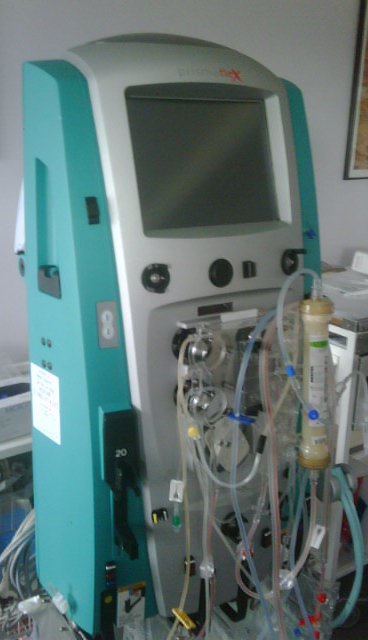
Vantive says the deaeration chamber on some Prismaflex and oXiris sets can slip from its holder on the Prismaflex Control Unit, setting off air-in-blood alarms.

Key points
- The FDA updated its notice on March 16 to classify Vantive's use-instruction update for Prismaflex and oXiris sets as a Class II recall, after a January 14 Early Alert.
- Vantive stated the sets' deaeration chamber may dislodge from the Prismaflex Control Unit holder; the FDA says this may delay or interrupt therapy and lead to blood loss from clotting.
- As of December 17, Vantive had not reported any serious injuries or deaths associated with the issue; PrisMax Control Units are not affected.
The US Food and Drug Administration has classified Vantive's correction of certain Prismaflex and oXiris sets, used for continuous renal replacement therapy and blood purification, as a Class II recall, according to the FDA's recall notice, which the agency updated on March 16.
The FDA first published the issue as an Early Alert on January 14. With the classification, the agency says it has determined that the device "may cause temporary or reversible health problems, or—though unlikely—serious health problems." The correction updates use instructions and does not involve removing the sets from where they are used or sold, the notice says. The affected products and recommendations have not changed since the alert.
Deaeration chamber can dislodge
Vantive stated that the deaeration chamber on Prismaflex sets may dislodge from its holder on the Prismaflex Control Unit, according to the FDA. A dislodged chamber may trigger an "Air in Blood" alarm during priming or during therapy, which the FDA says may result in delays or interruptions to therapy and blood loss due to clotting and failure to return blood manually.
The issue does not affect PrisMax Control Units, which use a different deaeration chamber holder design, according to the notice. As of December 17, Vantive had not reported any serious injuries or deaths associated with the issue.
The notice lists eight set types: the Prismaflex ST100, ST150, M100, M150, HF1000, HF1400 and TPE2000 sets and the oXiris set. For each, all lots including and manufactured after a listed starting lot are affected. Prismaflex sets are used with Prismaflex or PrisMax control units to provide continuous fluid management and renal replacement therapies, blood purification or therapeutic plasma exchange, the FDA says.
Instructions to customers
Vantive sent all affected customers a letter on January 6. It told them they may continue to perform therapy with affected sets and should monitor the deaeration chamber during therapy to make sure it stays upright in its holder.
The company said it was aware of customers who had tried to further secure the chamber in an upright position. For those who do, the letter asks that the tubing not be kinked and the chamber remain visible. If the control unit issues an "Air in Blood" alarm, users are told to check whether air is present and, if not, whether the chamber has dislodged and whether clots are present. If the chamber has dislodged and there is clotting, the letter directs users to the operator's manual instructions to stop therapy and replace the set.
Facilities that distributed the product to other departments are asked to forward the communication to them, and customers who bought through a distributor are told to follow that supplier's response instructions.
The notice links to the FDA Enforcement Report and the CDRH medical device recall database for the recall records.
Sources
- Dialysis Tubing Set Correction: Vantive Updates Use Instructions for Prismaflex and Oxiris Sets, US Food and Drug Administration, March 16, 2026