CMS Weighs Medicare Payments for Hospitals That Buy American-Made PPE and Medicines
An advance notice floats a 'Secure American Medical Supplies' hospital designation, a separate Medicare payment for the higher cost of domestic goods, and a quality-reporting attestation, with comments due March 30.

Key points
- CMS issued an advance notice of proposed rulemaking on January 26, published in the Federal Register on January 29, seeking comment on ways to steer Medicare hospitals toward American-made PPE and essential medicines.
- Options include a 'Secure American Medical Supplies' designation, a separate Medicare payment for the extra cost of domestic products and an attestation measure in the Hospital Inpatient Quality Reporting Program.
- CMS said fewer than 100 hospitals reported the data needed for its existing domestic N95 payment adjustment for FY 2024; comments on the new options are due March 30, 2026.
The Centers for Medicare & Medicaid Services is asking for public input on paying hospitals more if they commit to buying American-made personal protective equipment and essential medicines. CMS announced the advance notice of proposed rulemaking on January 26, and the notice was published in the Federal Register on January 29, with comments due March 30, 2026.
According to the notice, it solicits comment on potential options CMS may consider, rather than proposing a specific policy. "The COVID-19 public health emergency exposed the dangers of depending on foreign countries for critical PPE and essential medicines, highlighting the need for domestic emergency preparedness," CMS Administrator Mehmet Oz said in the release.
A designation, a payment and a reporting measure
The notice seeks input on a possible "Secure American Medical Supplies" friendly designation for hospitals that demonstrate a commitment to domestic procurement. Hospitals could earn it by meeting a minimum American-made percentage of all PPE and essential medicines they buy, or a minimum percentage in each subcategory, such as masks or anti-microbial medicines, for which HHS determines sufficient domestic producers exist, CMS wrote. The agency asks whether such a policy should be phased in, offering as an example thresholds of at least 25%, then 50% and eventually 75% of a hospital's total procurement.
CMS is also considering a separate payment to designated hospitals for Medicare's inpatient prospective payment system share of the extra cost of domestic goods. The notice cites an Administration for Strategic Preparedness and Response review finding that domestically made nitrile gloves cost about 1.5 to 3 times as much as imported ones, and that domestic active pharmaceutical ingredients are on average about 12 times as expensive. In an illustrative example, a hospital whose Medicare inpatient share of drug costs is $2 million, with essential medicines assumed at 1% of those costs, would receive a payment of $240,000.
A third option would add a structural measure to the Hospital Inpatient Quality Reporting Program requiring hospitals to attest whether they met minimum domestic procurement percentages. CMS said it considered, but is not pursuing at this time, using Medicare conditions of participation for the same goal.
What counts as PPE and domestic
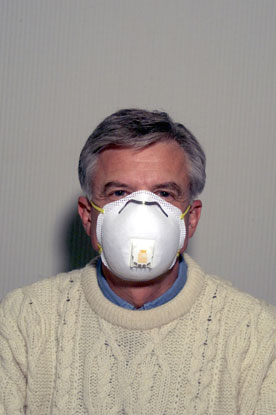
For the notice, CMS defines PPE using the Infrastructure Investment and Jobs Act: surgical masks, respirators and filters, face shields and protective eyewear, gloves, surgical and isolation gowns, head and foot coverings and similar gear. Essential medicines are the 86 medicines prioritized in an HHS preparedness report. CMS suggests a medicine would count as fully domestic if over 50% of its active ingredient and the entire final dosage form are made in America, and invites feedback on that definition.
The agency acknowledged that some inputs are scarce at home, noting there is currently one domestic source of nitrile butadiene rubber, an essential component of nitrile gloves.
Low uptake of the existing N95 adjustment
Since a 2023 rule, Medicare has offered hospitals a payment adjustment for the higher cost of domestically made NIOSH-approved surgical N95 respirators. "Usage of the payment adjustments has been limited," CMS wrote, adding that fewer than 100 hospitals reported the information needed to determine the adjustment for FY 2024, which it said may partly reflect reporting burden. Past commenters asked CMS to extend support to gowns, face shields, syringes, needles, catheters and wound care dressings, according to the notice.
"We want to hear from hospitals, manufacturers, suppliers, and the public on practical ways Medicare can support a stronger, more reliable domestic supply chain," said Chris Klomp, CMS deputy administrator and director of the Center for Medicare.
Sources
- CMS Seeks Public Input on Strengthening Domestic Supply Chain for PPE, Essential Medicines, Centers for Medicare & Medicaid Services, January 26, 2026
- Medicare Program; Ensuring Safety Through Domestic Security With Made in America Personal Protective Equipment (PPE) and Essential Medicine Procurement by Medicare Participating Hospitals (CMS-1516-ANPRM), Federal Register, January 29, 2026