CMS Proposes TAVR Coverage for Asymptomatic Aortic Stenosis and Drops Hospital Volume Rules
The proposed decision would end the evidence-development requirement for symptomatic patients, cover asymptomatic severe aortic stenosis only within approved studies, and allow single-operator procedures.
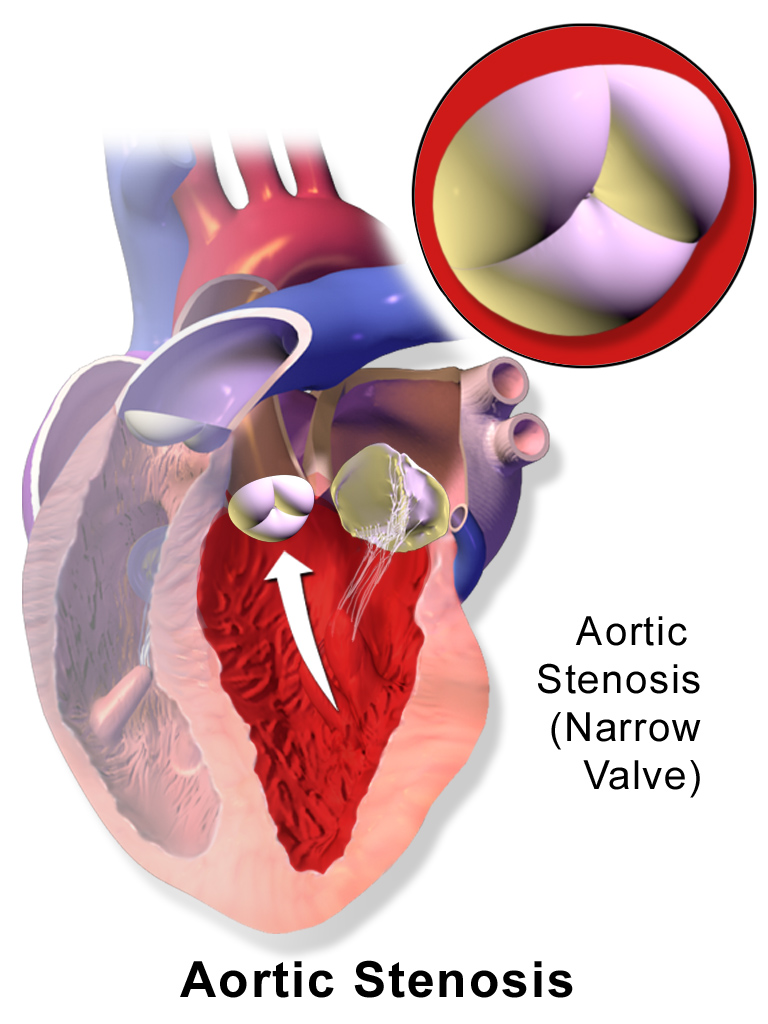

Key points
- CMS posted a proposed decision memo (CAG-00430R2) on June 15 reconsidering its 2019 national coverage determination for transcatheter aortic valve replacement.
- Symptomatic severe aortic stenosis would be covered without coverage with evidence development; asymptomatic severe aortic stenosis would be covered under it.
- The proposal sets new operator volume thresholds, removes hospital procedural volume requirements and is open for comment through July 15, according to SCAI.
The Centers for Medicare & Medicaid Services has proposed expanding Medicare coverage of transcatheter aortic valve replacement (TAVR) to patients with severe aortic stenosis who have no symptoms, while loosening several of the procedural requirements that have applied to the procedure since 2019. CMS posted the proposed decision memo (CAG-00430R2) on June 15.
The memo says the reconsideration of the 2019 TAVR national coverage determination was opened after a formal request from Edwards Lifesciences, maker of the Sapien family of TAVR devices, following FDA's April 30, 2025, expansion of indications to include asymptomatic as well as symptomatic patients with severe aortic stenosis.
Who would be covered
CMS proposes to cover TAVR for symptomatic severe aortic stenosis without the coverage with evidence development (CED) requirement, and to extend coverage to asymptomatic severe aortic stenosis only within a CMS-approved CED study. In both cases the valve and implantation system must have FDA premarket approval for the indication used.
CED studies for asymptomatic patients would need an active, contemporaneous comparator and would have to address at least one of three questions: whether TAVR, surgical valve replacement or close surveillance until symptoms appear better improves health outcomes; how long-term re-intervention rates compare between TAVR and surgery; and whether risk-standardized, patient-centered outcomes could replace volume criteria for TAVR operators. The memo notes that patients with asymptomatic severe aortic stenosis have typically been managed with active surveillance because the risk of sudden death is low, at 1% or less per year.
Heart team, operator and hospital criteria
Patients would remain under the care of a heart team that includes at least one cardiac surgeon and one interventional cardiologist. The initial heart team evaluation could be done asynchronously using medical records, but an independent, in-person evaluation by a TAVR operator would be required and could not be done virtually.
A TAVR operator, an interventional cardiologist or cardiac surgeon on the heart team, would need to perform at least 20 transcatheter valve procedures a year, at least 15 of them TAVR, or at least 40 such procedures, 30 of them TAVR, every two years. Two operators would no longer be required, though both must be heart team operators if two take part. Hospitals would need on-site structural heart interventional cardiology and cardiac surgery programs, a post-procedure intensive care unit and a continuous quality improvement process.
In a summary posted June 16, the Society for Cardiovascular Angiography & Interventions said the proposal removes hospital procedural volume requirements and the requirement that procedures be performed by both an interventional cardiologist and a cardiac surgeon, and that it removes specific reporting mandates while keeping quality oversight. SCAI said the 30-day comment period runs through July 15, 2026, and that it is still reviewing the proposal before filing formal comments. CMS said it will respond to public comments in a final decision memo.
Sources
- Transcatheter Aortic Valve Replacement (TAVR) (CAG-00430R2) - Proposed Decision Memo, Centers for Medicare & Medicaid Services, Medicare Coverage Database, June 15, 2026
- Proposed TAVR NCD Released: Key Changes and Next Steps, Society for Cardiovascular Angiography & Interventions (SCAI), June 16, 2026