CMS Delays WISeR Prior Authorization for Deep Brain Stimulation and Lumbar Decompression
A Federal Register notice pulls two device-based procedures out of Medicare's technology-enabled prior authorization model until a later date, citing operational readiness.

Key points
- CMS has delayed prior authorization and pre-payment review under its WISeR model for deep brain stimulation and for percutaneous image-guided lumbar decompression, in a notice effective April 6.
- The agency said the delay allows additional time for operational readiness and that a new start date will be announced in a later Federal Register notice.
- A separate correction notice the same day narrowed the lists of local coverage determinations tied to several other WISeR services.
The Centers for Medicare & Medicaid Services has delayed prior authorization for two device-based procedures under its Wasteful and Inappropriate Services Reduction (WISeR) Model, according to a notice published in the Federal Register on April 6 and effective the same day.
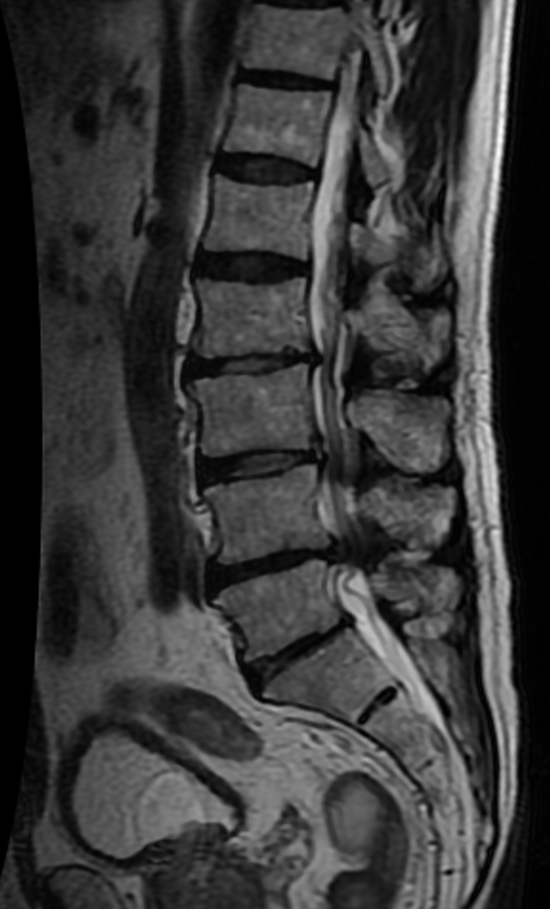
The two services are deep brain stimulation for essential tremor and Parkinson's disease, covered under national coverage determination 160.24, and percutaneous image-guided lumbar decompression for spinal stenosis, covered under national coverage determination 150.13.
CMS said it is "delaying implementation of two of the services announced in the July 2025 notice to allow additional time for operational readiness." The new start date "will be announced in a subsequent Federal Register notice," the agency said. Until then, neither prior authorization nor pre-payment review under the model will be available for the two services, according to the notice.
How the model works
CMS announced WISeR in a July 1, 2025, Federal Register notice as a six-year model aimed at reducing fraud, waste and abuse in traditional Medicare through technology-enabled prior authorization. The April notice says prior authorization was to begin on January 1, 2026, for the listed services that have affiliated national or local coverage decisions.
According to the CMS Innovation Center's WISeR page, in its version last modified January 28 and read via the Internet Archive, the model uses technologies such as artificial intelligence and machine learning, along with human clinical review, and runs from January 1, 2026, to December 31, 2031, in New Jersey, Ohio, Oklahoma, Texas, Arizona and Washington. The page lists six technology companies as participants, each assigned to one state: Cohere Health in Texas, Genzeon in New Jersey, Humata Health in Oklahoma, Innovaccer in Ohio, Virtix Health in Washington and Zyter in Arizona. CMS describes it as the first Innovation Center model in which technology companies are the only participants.
Participants receive a percentage of the expenditures associated with averted wasteful or inappropriate care resulting from their reviews, adjusted for performance measures including provider experience, according to the page. Providers and suppliers in the selected regions can either request prior authorization for the model's services or go through a post-service, pre-payment review. CMS says participants are required to have clinicians with the expertise to conduct medical reviews.
Correction narrows coverage lists
CMS published a separate correction notice the same day that fixes what it called typographical and technical errors in the July 2025 notice. The corrections shorten the lists of local coverage determinations attached to several services already under WISeR review since January 1.
Epidural steroid injections for pain management are now tied to three local coverage determinations, down from eight, and are listed as excluding facet joint interventions. The lists for vertebral compression fracture treatment, spinal fusion and a sleep apnea service were each cut from eight determinations to three. The correction also says skin and tissue substitutes apply only in selected WISeR contractor jurisdictions and states with an active local coverage determination in place during the model's performance years.
Both notices were approved by CMS Administrator Mehmet Oz, according to the documents. The agency has not given a date for when prior authorization for deep brain stimulation and lumbar decompression will begin.
Sources
- Medicare Program; Delayed Implementation of Certain Prior Authorization for Select Services for the Wasteful and Inappropriate Services Reduction (WISeR) Model, Federal Register (Centers for Medicare & Medicaid Services), April 6, 2026
- Medicare Program; Implementation of Prior Authorization for Select Services for the WISeR Model; Correction, Federal Register (Centers for Medicare & Medicaid Services), April 6, 2026
- WISeR (Wasteful and Inappropriate Service Reduction) Model, Centers for Medicare & Medicaid Services, read via Internet Archive (snapshot of 2026-03-28), January 28, 2026