Qatar Helium Disruption Puts MRI Supply at Risk as US Distributor Halves Shipments
Iranian strikes on Qatari gas facilities and shipping restrictions have disrupted about a third of world helium supply, the coolant most MRI scanners depend on.

Key points
- Qatar produced about a third of the world's helium in 2025, and QatarEnergy said its annual helium exports would fall by 14 percent after attacks on Ras Laffan.
- Airgas, a major US helium distributor owned by Air Liquide, declared force majeure and cut shipments by half, Al Jazeera reported.
- An MRI safety consultant told Euronews that some scanners will go down if they cannot be refilled after faults or maintenance.
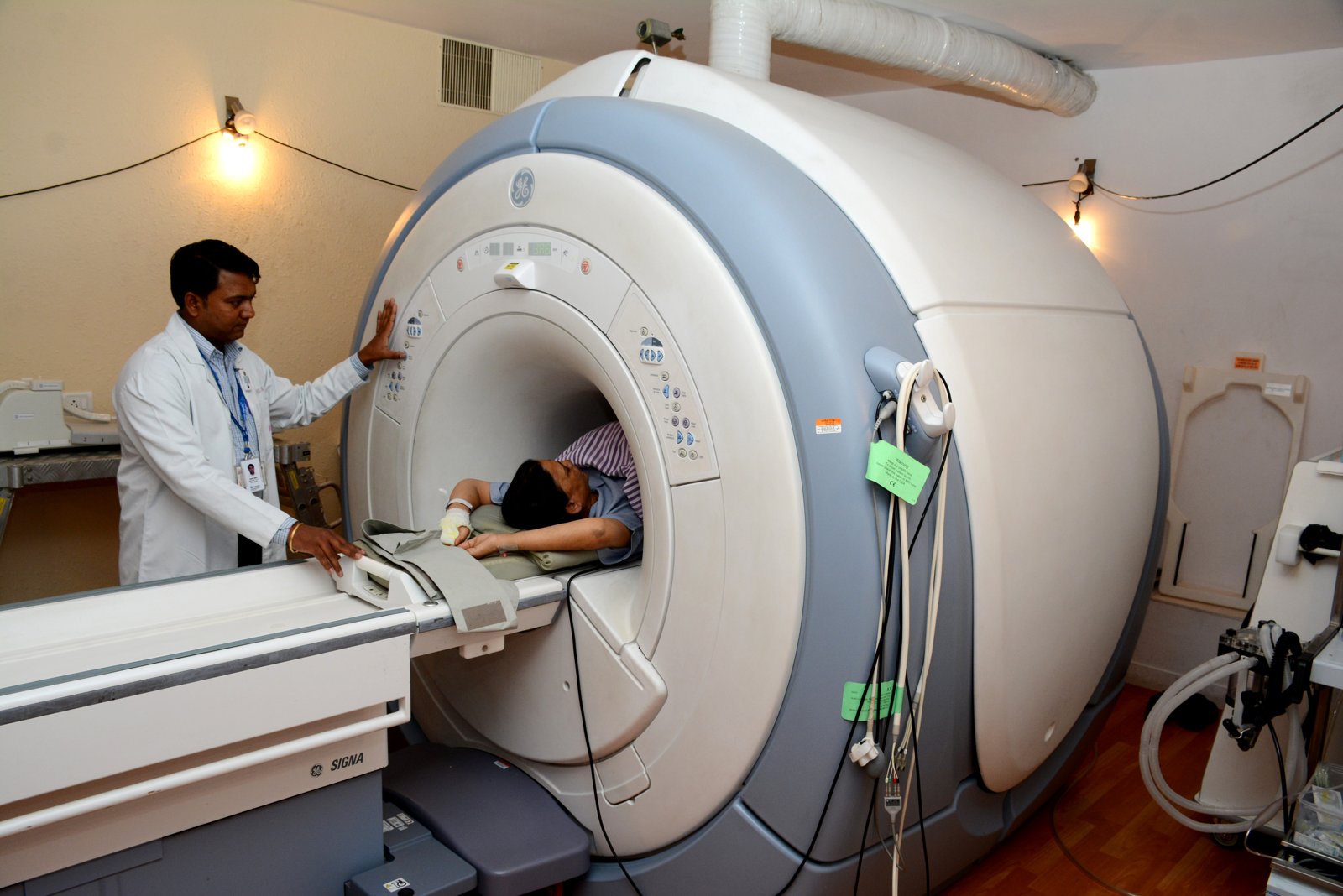
Disruption to Qatar's helium output and shipping since the start of the war with Iran is raising concern that hospitals could struggle to keep MRI scanners cold, with one MRI safety consultant warning that "there will be MRIs that go down," Euronews reported on March 25.
Qatar accounts for roughly a third of global helium production, and damage at the Ras Laffan gas hub has prompted warnings of tighter supply as shipments are delayed and containers remain stuck in the region, the outlet reported. Most MRI machines use large volumes of liquid helium to cool their superconducting magnets, and some systems could be taken offline if they cannot be refilled after faults or maintenance, according to the report.
Exports cut, shipments halved
Qatar produced about 63 million cubic metres of helium in 2025, about a third of the roughly 190 million cubic metres produced worldwide, according to US Geological Survey figures cited by Al Jazeera on March 26. QatarEnergy, whose liquefied natural gas plants also generate liquid helium, said annual helium exports would drop by 14 percent, the outlet reported.
QatarEnergy said on March 2 that it had halted LNG production after Iranian attacks on facilities at Ras Laffan and Mesaieed, according to Al Jazeera, which also reported that Iranian officials denied targeting the company. A later missile strike on an LNG facility at Ras Laffan wiped out about 17 percent of Qatar's LNG export capacity, QatarEnergy's chief executive, Saad Sherida Al-Kaabi, told Reuters, as reported by Al Jazeera.
In the United States, Airgas, a subsidiary of French industrial gases group Air Liquide and among the largest helium distributors in the country, declared force majeure the previous week and said it was cutting its helium shipments by half, Al Jazeera reported. Air Liquide said it planned to reallocate its helium supply chain to source the gas from other regions.
Why hospitals are more exposed than chipmakers
Helium is also essential to semiconductor manufacturing, but industry analysts told Euronews the impact on chipmakers may be limited because of diversified supply and the sector's ability to reroute materials. "The bigger concern is healthcare," the outlet reported, noting the medical sector has fewer options to absorb a sudden supply shock.
"Without sufficient helium, the scanner can't operate and effectively becomes a very expensive paperweight," Tobias Gilk, an MRI safety consultant, told Euronews. He said shortages could also delay repairs if service providers cannot get enough purified helium.
About a quarter of the helium used worldwide goes to cooling superconducting magnets, and demand is rising, according to German engineering group Siemens, as cited by Al Jazeera. The outlet noted that researchers have developed MRI machines that can recycle helium and so reduce consumption.
Price outlook
Most helium is sold under long-term contracts rather than on a transparent spot market, so price changes may not be felt immediately, Al Jazeera reported. Aleksandr Romanenko, chief executive of market research firm IndexBox, told Reuters that a 30-day disruption could lift delivered spot helium prices by 10 to 20 percent, and that a 60-to-90-day outage could push them 25 to 50 percent higher, particularly for buyers without long-term contracts, according to Al Jazeera.
The United States is the largest helium producer, with 81 million cubic metres, more than 40 percent of global supply, but North American buyers still depend on Gulf helium, the outlet reported. Euronews said the immediate impact will depend on how long the situation lasts and how quickly supply chains adjust.
Sources
- Helium supply crunch puts MRI services at risk amid Qatar disruptions, Euronews, March 25, 2026
- Helium hitch: Why US-Israel war on Iran could cause MRI scan delays, Al Jazeera, March 26, 2026