Premier Analysts See No Iran War Disruption to Device Shipments Yet, Warn Against Stockpiling
The group purchasing organization says Pacific shipping routes for devices and drugs are still running, and that panic buying could create artificial shortages.

Key points
- Premier analysts said core Pacific shipping routes for US-bound medical devices and drugs were still operating, and many do not pass through the Strait of Hormuz.
- Premier's supply chain policy director said manufacturers had not seen hiccups yet and most hold safety stock.
- Premier advised against broad stockpiling or accelerated ordering, warning it could create artificial shortages.
Supply chain analysts at group purchasing organization Premier Inc. say the US war with Iran has not yet disrupted shipments of medical devices and drugs to American hospitals, and they are advising health systems not to stockpile, Chief Healthcare Executive reported on March 6.
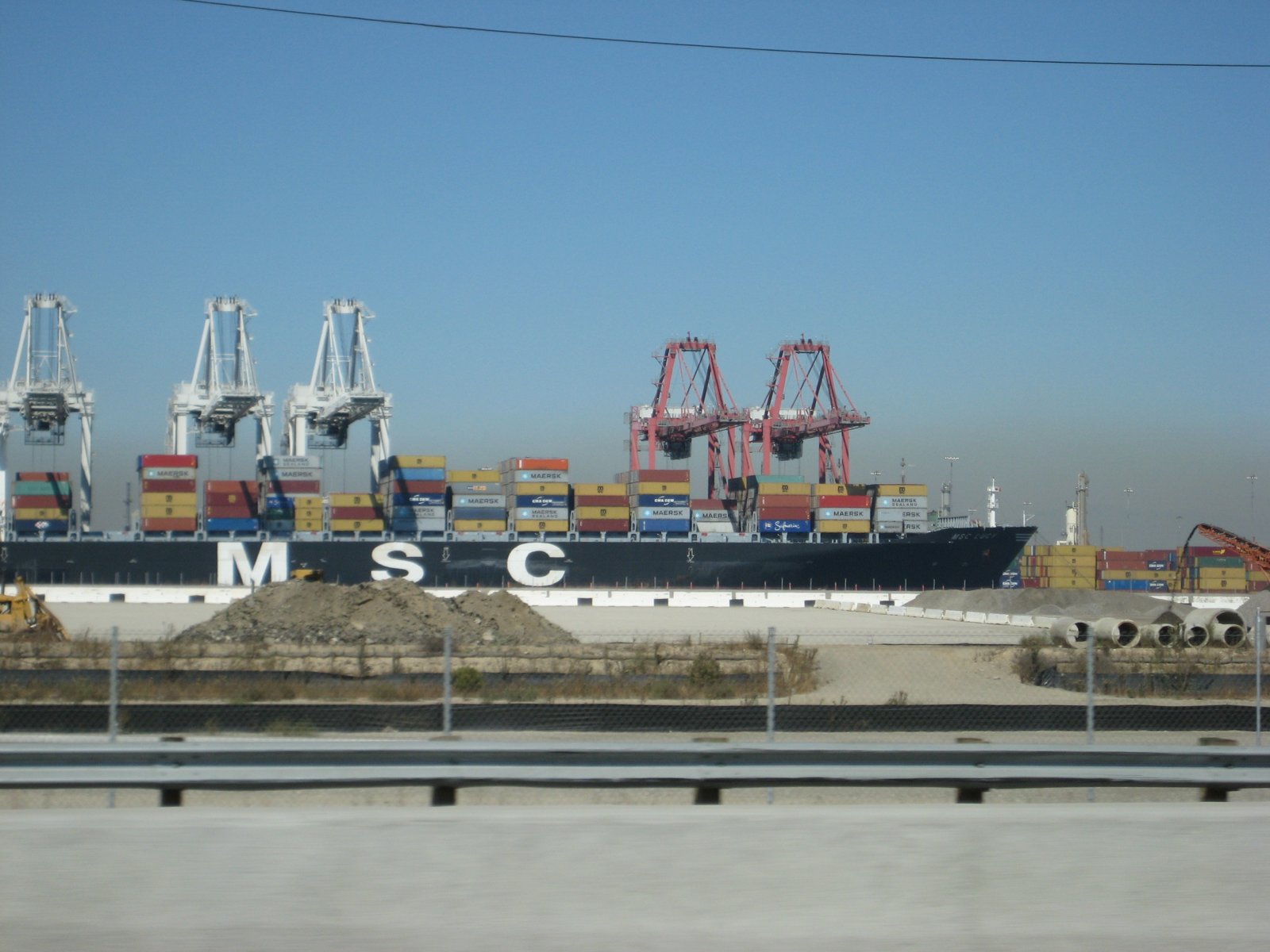
The core Pacific Ocean routes that carry most medical device and pharmaceutical shipments bound for the US continue to operate, and many of those routes do not pass through the Strait of Hormuz to the Persian Gulf, Kyle MacKinnon, Premier's senior director of operational excellence, told the publication.
"Nothing's come to fruition just yet, but it's something that obviously we're going to monitor, because we don't know exactly, timing wise, how this event is going to end up," MacKinnon said.
Safety stock, for now
Mark Hendrickson, Premier's director of supply chain policy, said the region has some pharmaceutical manufacturing, including Israel-based Teva Pharmaceuticals, which also manufactures across the United States, according to the report.
"We haven't seen any hiccups yet, and most companies have a certain amount of safety stock in place," Hendrickson said. "If the events do continue long term, then it might start becoming more of an issue for a focused number of products."
The report said most businesses are focused on the conflict's energy impact, and that the petrochemical industry also supplies plastics. MacKinnon said it is not clear whether there could be an effect on medical device tubing or other manufactured goods. Providers have been asking about possible disruptions or delays in shipments of medical supplies, he said.
Warning against panic buying
Premier's analysts said hospitals are not being advised to increase purchasing because of the conflict. "Given that there's no indications of widespread disruptions to the inbound medical devices or pharmaceuticals in that state, broad stockpiling and/or accelerating of any ordering isn't recommended at this time," MacKinnon said.
"Historically, those sudden shifts in purchasing behavior during the early stages of a disruption could unintentionally create artificial shortages," he added.
In a summary posted to its newsroom, Premier said both experts advise providers to monitor developments but avoid accelerating purchases, which could unintentionally create artificial shortages, and that many manufacturers maintain safety stock.
Lessons from earlier disruptions
The report noted that hospitals faced supply interruptions after Hurricane Helene in 2024 and a range of shortages during the COVID-19 pandemic. Hendrickson said health systems and suppliers are paying more attention to where products and their components come from.
"And so I think there's a growing understanding of that, and a need for more of that understanding and transparency throughout the entire healthcare supply chain," he said.
MacKinnon said each such event offers a chance to build on the supply chain resilience work health systems have already done. "Every event like this gives us a really unique opportunity to try to continue building upon what we've already established," he said.
Sources
- Waiting to gauge Iran war's impact on medical supplies, Chief Healthcare Executive, March 6, 2026
- Waiting to gauge Iran war's impact on medical supplies (Premier newsroom summary), Premier Inc., March 6, 2026