Environmental Groups Sue Over Ethylene Oxide Exemptions for 40 Device Sterilizers
The suit challenges a July 2025 proclamation that gave commercial sterilizers two more years to meet the EPA's 2024 emissions rule, on the grounds that the control technology was not available.

Key points
- The Southern Environmental Law Center and NRDC filed suit in federal court in Washington on behalf of three community groups, challenging presidential exemptions for 40 commercial sterilizer facilities.
- Proclamation 10959 of July 17, 2025, extended every compliance deadline in the EPA's 2024 ethylene oxide rule by two years for the listed facilities, citing the role of the gas in sterilizing about half of US sterile medical devices.
- The groups argue the emissions-control technology exists and is widely used; the proclamation says it does not exist in a commercially viable form.
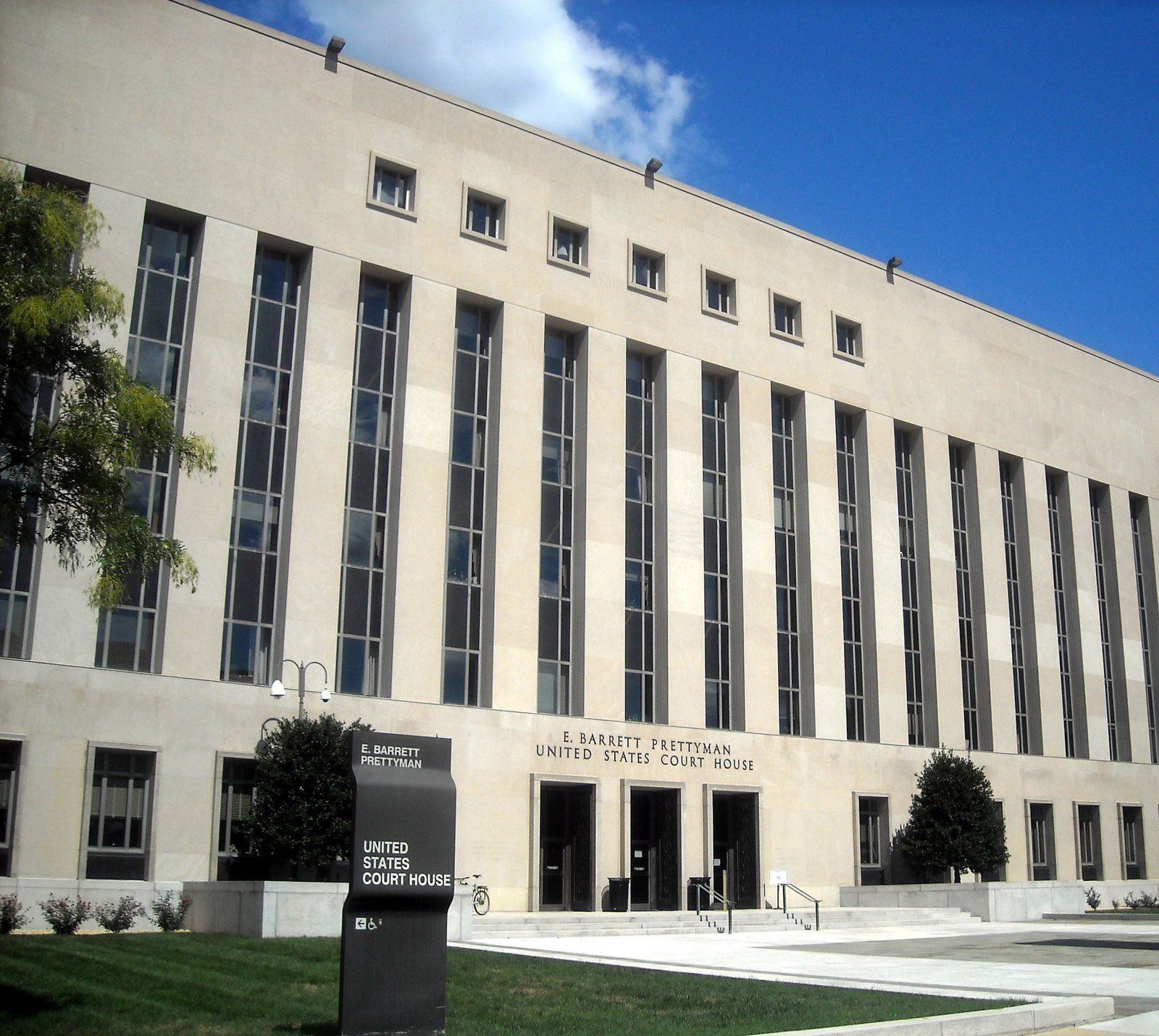
Environmental and community groups have sued the Trump administration over exemptions that let 40 commercial sterilizer facilities delay compliance with the Environmental Protection Agency's 2024 limits on ethylene oxide, the gas used to sterilize many medical devices, the Southern Environmental Law Center announced on Wednesday.
The Southern Environmental Law Center and NRDC (Natural Resources Defense Council) filed the lawsuit in the U.S. District Court for the District of Columbia on behalf of CleanAIRE NC, Sustainable Newton and Virginia Interfaith Power & Light, according to the announcement. The groups say nine of the exempted facilities are in Georgia, North Carolina, Tennessee and Virginia.
What the proclamation did
The exemptions were granted in Proclamation 10959, signed on July 17, 2025, under section 112(i)(4) of the Clean Air Act. It exempts the facilities listed in its Annex I from the EPA's ethylene oxide rule for two years beyond the rule's compliance dates, extending each deadline that applies to them.
The proclamation says about 50 percent of all sterile medical devices in the United States are sterilized with ethylene oxide, and that the gas "may be the only method of sterilizing many medical devices without damaging them." It states that the 2024 rule relies on emissions-control technologies "that do not exist in a commercially viable form" and that the rule risks making sterile devices unavailable to civilian and military health systems. The exemption rests on two findings: that the technology to implement the rule is not available, and that the exemption is in the national security interests of the United States.
The EPA's 2024 rule requires most commercial sterilizers to monitor and report ethylene oxide emissions, Medical Design & Outsourcing reported. According to the plaintiffs, the rule's safeguards lower cancer risks for people living near sterilizer facilities by more than 90 percent.
The groups' case
The plaintiffs dispute the proclamation's central finding. "The technology to control this pollution exists and is widely used," the groups said, adding that many of the exempted facilities were already capable of complying with the 2024 standards.
"The law is clear, the science is clear, and the technology to control dangerous ethylene oxide pollution exists today," said Irena Como, senior attorney at the Southern Environmental Law Center.
"This administration is systematically looking for ways to let polluters off the hook," said Sarah Buckley, senior attorney for NRDC.
The announcement names two of the exempted facilities: Sterigenics in Charlotte, North Carolina, and Sterilization Services of Virginia in Richmond. It also says EPA Administrator Lee Zeldin announced a process last March inviting regulated facilities to request presidential exemptions from air toxics standards, and that the EPA is planning to weaken the ethylene oxide protections altogether.
The groups describe the exemptions as two-year, renewable waivers. Como described the administration's actions as unlawful.
Sources
- Groups file suit over presidential exemptions for cancer-causing ethylene oxide, Southern Environmental Law Center, January 28, 2026
- Proclamation 10959: Regulatory Relief for Certain Stationary Sources To Promote American Security With Respect to Sterile Medical Equipment, Federal Register, July 23, 2025
- Coalition files suit challenging Trump admin's EtO exemptions, Medical Design & Outsourcing, January 29, 2026