Blood Pressure Wellness Wearables Multiply After FDA Guidance as Experts Question Accuracy
Oura, Samsung and start-ups are adding cuffless blood pressure features without FDA review under January's wellness policy, while clinicians say the technology is unproven.

Key points
- The FDA's January 2026 general wellness guidance said products can use sensors to estimate blood pressure without agency authorization if intended for wellness, STAT reported.
- Oura announced two blood pressure insight features on May 28, and Samsung released a smartwatch blood pressure feature in March, according to the report.
- Clinicians and an American Heart Association statement cited by STAT question the reliability of cuffless measurement, and there is no finalized ISO protocol for validating it.
Consumer technology companies are adding blood pressure features to wearables without US Food and Drug Administration review, five months after the agency relaxed its policy on low-risk wellness products, STAT reported in a story republished by the Boston Globe on May 28. Clinical and regulatory experts told STAT the underlying technology remains unproven.
In January, the FDA updated its guidance, General Wellness: Policy for Low Risk Devices, which sets out the device center's compliance policy for low-risk products that promote a healthy lifestyle. According to STAT, the update clarified that companies can release products that use sensors to "estimate, infer, or output" blood pressure and blood glucose readings without approval if they are intended for wellness purposes.
Who is shipping features
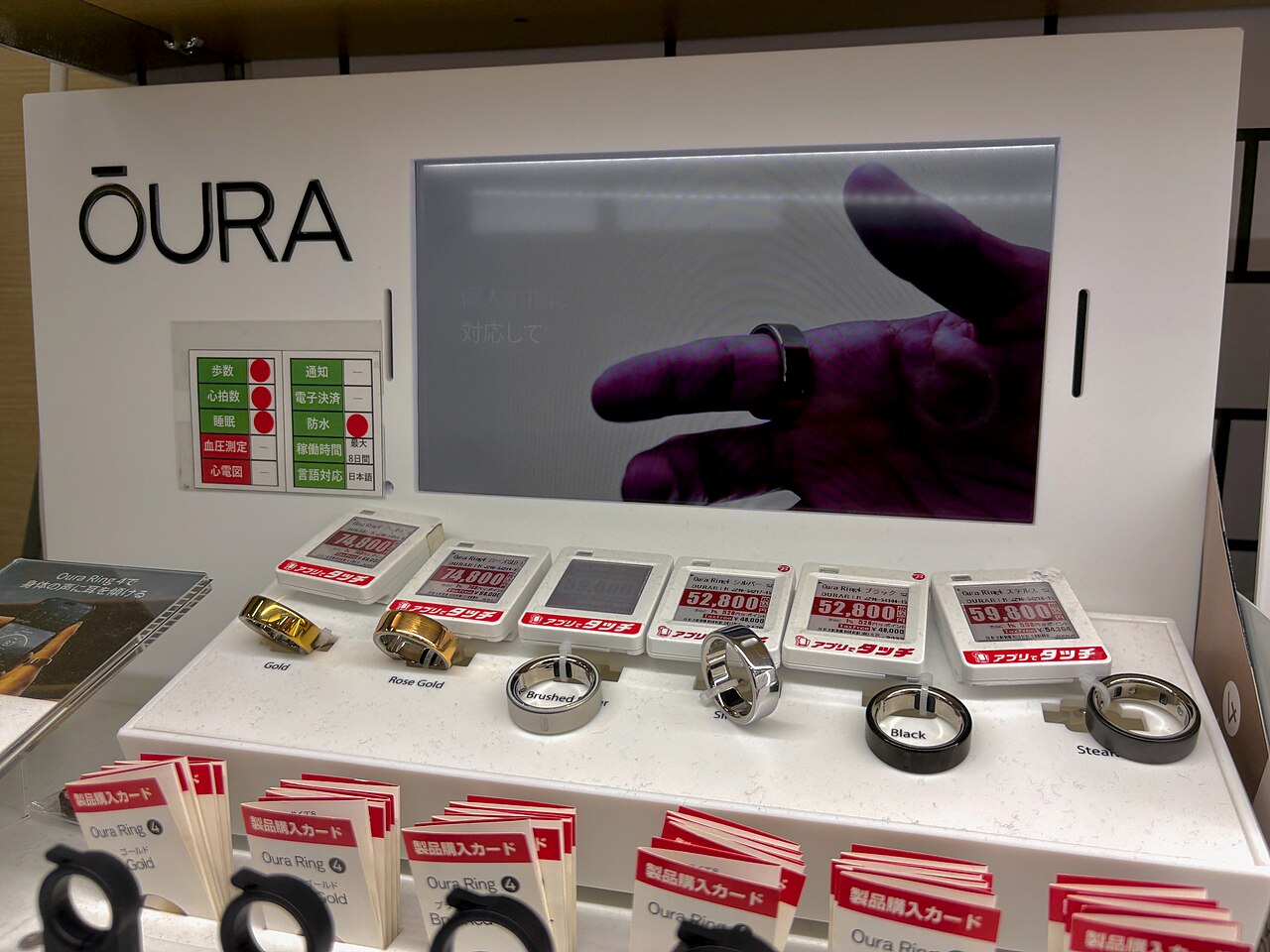
Oura on May 28 announced a refreshed ring and new features, including two aimed at giving users insights on blood pressure, one of which tells users whether their blood pressure dips overnight, STAT reported. Samsung released a smartwatch feature in March that offers systolic and diastolic readings. A start-up smart ring called the Pin Pulse, which claims to offer blood pressure and blood glucose readings, raised $260,000 in a Kickstarter campaign that ended in April.
"As soon as this guidance came out, literally the same day, we started having conversations with our product team around what our roadmap looks like, features that we could bring in and actually ship sooner," Oura chief medical officer Ricky Bloomfield told STAT shortly after the guidance was announced.
Whoop released a blood pressure feature without FDA review and received a warning from the agency for marketing an unauthorized medical device, STAT said, adding that the standoff had not been resolved as of mid-May. Apple sought FDA clearance for its feature, which does not display readings but alerts users to possible hypertension after analyzing 30 days of data.
Accuracy and validation questions
The wellness products estimate blood pressure from photoplethysmography sensors, which track pulsing volume changes in arteries, rather than measuring it directly, and results can vary with factors such as arterial stiffness, according to the report. Jordana Cohen, a physician and associate professor at the University of Pennsylvania, led an American Heart Association scientific statement recommending against cuffless devices for blood pressure diagnosis or management "until these devices demonstrate greater precision and reliability."
"We should really question whether these are accurate," Cohen told STAT.
The FDA's guidance tells companies not to display measurements that "mimic those used clinically" unless they are "validated," STAT reported, and an agency official said in February that there are no specific requirements for that validation. Industry insiders told STAT there is no finalized International Organization for Standardization protocol for validating cuffless wearables; a draft has not been finalized.
Oura has promised to publish more information on its blood pressure features in early June, and a Samsung spokesperson said the company used an ISO standard for cuffed devices without sharing performance data, according to the report. Whoop representatives did not respond to STAT's questions about whether performance data would be made public.
Sources
- Blood pressure wearables flood the market after FDA relaxes oversight, concerning experts (STAT, republished by the Boston Globe), STAT via The Boston Globe, May 28, 2026
- General Wellness: Policy for Low Risk Devices (guidance, January 2026), U.S. Food and Drug Administration, January 6, 2026