AdvaMed Survey Finds Memory Chip Shortages Squeezing Medtech Makers
The trade group says demand from AI and data centers is driving shortages and price increases, and asks chip suppliers to treat health care as a priority customer.
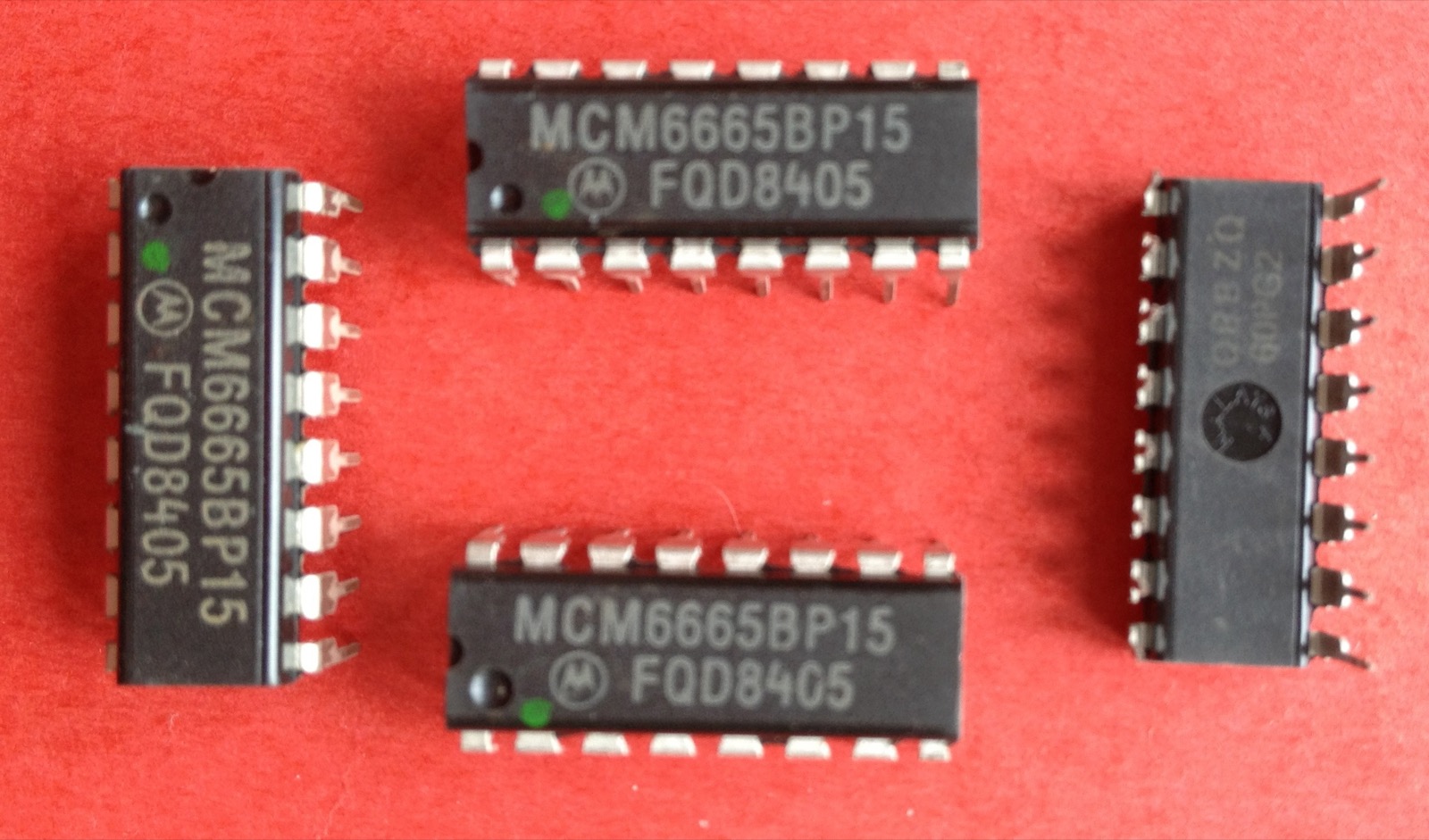

Key points
- AdvaMed estimates that 75% to 80% of medtech products, excluding protective equipment and consumables, use memory chips.
- In an AdvaMed survey, 75% of respondents reported memory chip constraints, 88% reported price increases and 63% reported allocation problems or limited availability.
- AdvaMed says medtech accounts for about 1% to 2% of global memory demand and asks suppliers to prioritize health care in allocation decisions.
Shortages of memory chips are causing longer lead times, allocation limits and sharp price increases for medical technology companies, the Advanced Medical Technology Association (AdvaMed) said in an analysis published August 17 that draws on a survey of the industry.
AdvaMed estimates that 75% to 80% of medtech products, excluding personal protective equipment and consumables, use memory chips, which run everything from imaging and diagnostic systems to patient monitors, infusion pumps, ventilators and surgical robots. The group said demand from artificial intelligence, cloud computing and data-center growth is behind the squeeze, and that industry forecasts suggest supply-demand imbalances may persist well into 2027.
Survey results
In AdvaMed's survey, 75% of respondents reported memory chip-related constraints, 88% reported price increases and 63% reported supplier allocation challenges or limited availability of specific components. Looking ahead, 63% said they were uncertain whether they would be able to buy enough memory chips, or products containing them, to avoid supply chain disruptions, and 56% said they were very concerned about overall supply stability. The group did not say how many companies responded.
The constraints span several kinds of memory and storage, AdvaMed said, including high-speed memory used to run device software, flash memory for long-term storage, removable and embedded storage, and older components that remain in use because regulated medical products have long lifecycles. Some components now take months longer to obtain than under normal conditions, the group said.
AdvaMed argued that device makers cannot easily switch parts. "Substituting components is rarely quick," the analysis said. A replacement may require engineering assessments, supplier qualification, software or hardware validation, risk analysis and regulatory assessment, and depending on the change, FDA review or authorization may be needed before a redesigned product can be deployed, according to the group.
Request to chip suppliers
Medtech represents only about 1% to 2% of global memory demand, AdvaMed said, which it argued makes targeted action by suppliers practical. The group asked memory chip makers to prioritize health care during allocation decisions and periods of constrained supply, give earlier notice of component transitions and discontinuations, engage directly with device manufacturers, and build health care requirements into long-term supply planning.
The group said the constraints are beginning to affect technologies used in diagnosis, monitoring and treatment, and that persistent shortages could disrupt continuity of care and add pressure on hospitals. The analysis was written by Abby Pratt, AdvaMed's senior vice president for global strategy and analysis, and it cites an August 10 New York Times article that identified medical technology among the industries facing memory chip shortages.
The warning follows an earlier push by industry. In June, nine US trade associations representing industries from automakers to medical device producers wrote to Treasury Secretary Scott Bessent and Commerce Secretary Howard Lutnick urging the administration to help increase the supply of memory chips, Bloomberg News reported, read via Bloomberg Law. The groups warned that the shortage threatened to disrupt critical supply chains and was likely to raise consumer prices in the near term.
Sources
- Memory Chip Shortages: Implications for Medtech Innovation and Patient Care, AdvaMed, August 17, 2026
- Trade Groups Urge US to Boost Memory Chip Supply Strained by AI, Bloomberg Law (Bloomberg News), June 3, 2026