Mediwhale Wins EU MDR Certification for DrNoon Retinal AI Cardiovascular Risk Tool
The Korean company says cardiovascular risk prediction is named as an intended use of the software, which combines its eye disease and heart risk products and is under FDA De Novo review in the US.

Key points
- Mediwhale said its DrNoon retinal AI software received CE certification under the EU Medical Device Regulation on May 6.
- DrNoon merges the company's DrNoon Fundus eye disease software and DrNoon CVD cardiovascular risk software into one product.
- Korean outlets reported that DrNoon CVD is going through the FDA De Novo process in the US.
South Korean medical AI company Mediwhale said on May 6 that DrNoon, its software that analyses photographs of the retina, has been certified under the European Union's Medical Device Regulation (MDR), clearing the way for sale in the 27 EU member states, according to Korean-language reports by VentureSquare and Medigate News. Both outlets reported the company's announcement in Korean; the summary here is a translation.
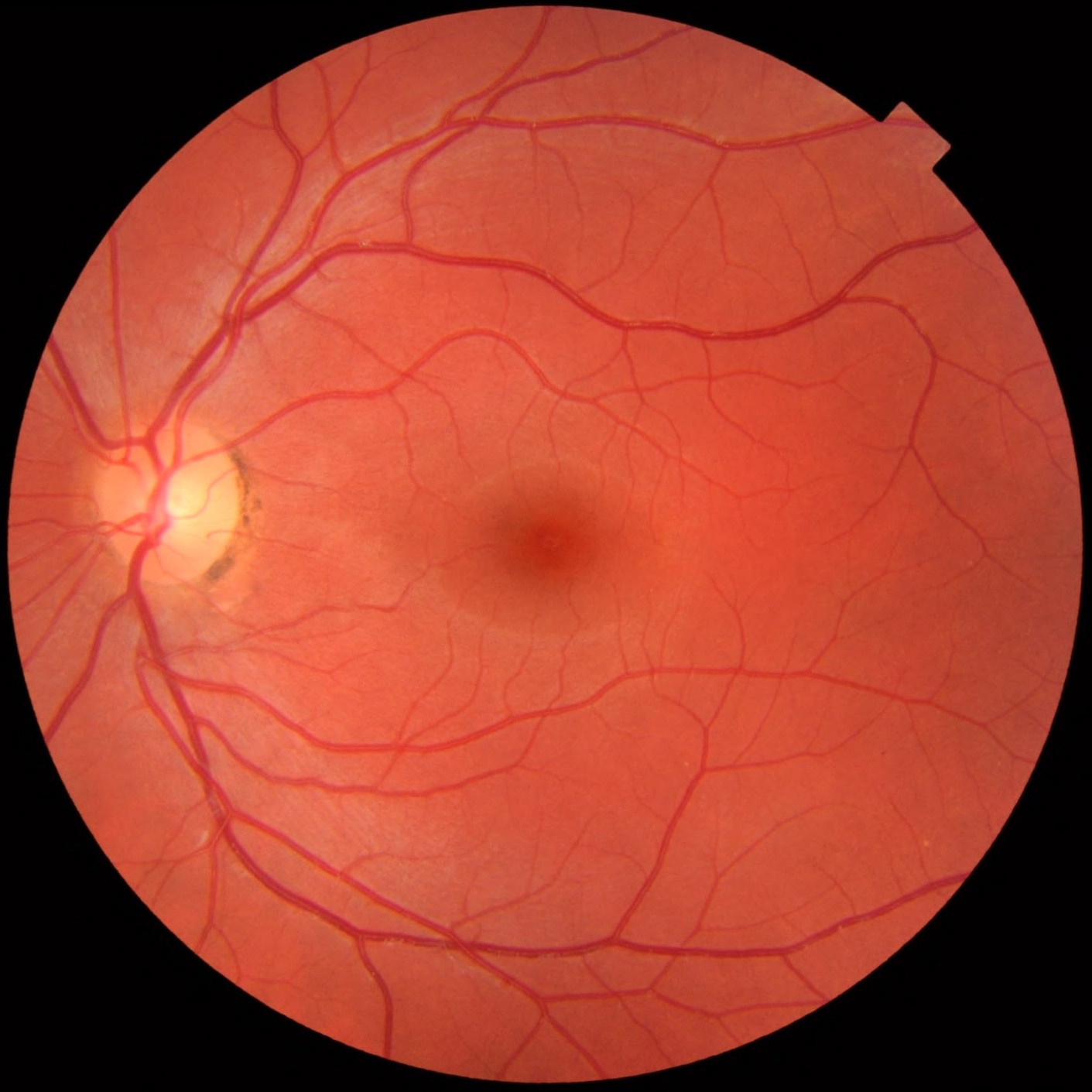
DrNoon analyses retinal images to assist in diagnosing eye disease and to predict cardiovascular disease risk. The company says the risk prediction has accuracy similar to cardiac CT, according to both reports. The certified product combines two pieces of software the company already sells in Korea: DrNoon Fundus, which supports eye disease diagnosis, and DrNoon CVD, which assesses cardiovascular risk.
Prediction named as an intended use
The company highlighted that "cardiovascular risk prediction" is written into the certification as an intended use of DrNoon. VentureSquare reported that certification for a predictive purpose is rare under the MDR framework, and described the result as extending medical AI from diagnosis toward prevention. That characterisation is the outlet's; neither report named the notified body that issued the certificate or published the full intended-use statement.
Mediwhale's chief executive said, as translated from Medigate News, that naming cardiovascular risk prediction as the product's intended use showed the company's direction of using retinal AI to assess the risk of whole-body disease, and that the company would use the certification to expand use in European clinics and strengthen global partnerships.
The MDR replaced the EU's earlier Medical Device Directive and has applied since 2021. Medigate News noted that it sets stricter requirements than the directive for product safety, clinical evidence, quality management and post-market surveillance.
US review and next products
VentureSquare reported that DrNoon CVD is going through the US Food and Drug Administration's De Novo process. Medigate News said the European certification, alongside the FDA De Novo process, is expected to speed the company's global regulatory strategy. Neither report gave a timeline for an FDA decision.
VentureSquare also reported that a follow-on product, DrNoon CKD, aimed at chronic kidney disease, has entered the approval process in Korea.
The company said it expects the certification to add credibility in discussions with overseas hospitals and partners. Neither report disclosed commercial partners, pricing or launch dates for any EU country.
Sources
- Mediwhale 'DrNoon' obtains European CE MDR, recognised as cardiovascular risk 'prediction' medical device (in Korean), VentureSquare, May 6, 2026
- Mediwhale DrNoon approved under European CE MDR as cardiovascular risk prediction device (in Korean), Medigate News, May 6, 2026