Heartfelt Gets FDA Breakthrough Device Designation for AI Home Heart Failure Monitor
The Cambridge, U.K., company's device sits in the home and uses imaging and AI to track foot and lower-leg volume, a sign of fluid build-up; it is under study in a U.S. remote monitoring trial and is not cleared or approved.

The FDA granted breakthrough device designation, which offers a faster review pathway. It is not a clearance or an approval.
Key points
- Heartfelt Technologies said the FDA granted breakthrough device designation to its AI-powered home monitor for worsening heart failure, Med-Tech Insights reported on June 29, 2026.
- The device passively measures changes in foot and lower-leg volume without the patient wearing anything or taking measurements, the company said.
- Heartfelt is sponsoring a U.S. randomized crossover trial, NCT06222099, run through remote patient monitoring providers; interim results it cites are company-reported.
Heartfelt Technologies, a Cambridge, U.K., company, has received breakthrough device designation from the U.S. Food and Drug Administration for its AI-powered home monitor designed to spot worsening heart failure before patients need hospital care, according to Med-Tech Insights, which published the company's announcement on June 29. The designation gives the company more interaction with the FDA and priority review opportunities; it is not a clearance or approval.
A monitor that asks nothing of the patient
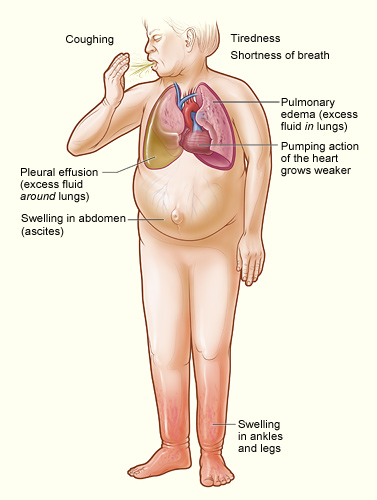
Placed in the home, the Heartfelt device uses advanced imaging and AI to passively measure changes in foot and lower-leg volume, a key indicator of fluid accumulation in heart failure, the company said. It works in the background without the patient wearing anything, remembering to do anything or taking measurements.
The company is aiming at patients who struggle with conventional monitoring such as daily weighing, symptom diaries, apps and wearables. "The patients most at risk of hospitalisation are often the same patients who find daily monitoring the hardest," said Oriane Chausiaux, Heartfelt's co-founder and chief scientific officer.
Heartfelt said earlier studies showed an average 13-day warning before worsening heart failure, and that interim results from its HF-TRACK trial showed a 47% reduction in recurrent heart failure events among patients using the device. Those figures come from the company's announcement.
The U.S. trial
The company said it is recruiting patients into an FDA-approved pivotal study under an investigational device exemption, with participants receiving the device through CMS-funded remote patient monitoring programs. Heartfelt is the sponsor of the HEARTFELT Study, registered as NCT06222099, a pragmatic, single-blind, randomized crossover trial comparing autonomous remote monitoring of peripheral edema with conventional remote patient monitoring in heart failure. The registry entry says the trial started on October 23, 2025, recruits participants through U.S. remote patient monitoring providers, and has a primary objective of establishing whether the device is safe and effective at reducing heart failure hospitalizations.
"Heart failure care today is too often reactive and clinicians see patients after deterioration has already happened," said Shamus Husheer, Heartfelt's co-founder and chief executive. The company did not give a timeline for an FDA submission.
Sources
- Cambridge-based Heartfelt Technologies receives FDA breakthrough device designation, Med-Tech Insights, June 29, 2026
- The HEARTFELT Study (NCT06222099) (record as updated 2026-10-19; facts cited were in the record before the article date), ClinicalTrials.gov, January 24, 2024