FDA Grants De Novo to Neuropacs' AI MRI Software for Parkinsonian Syndromes
The diffusion MRI software, built on University of Florida research, sets up a new FDA device category called "Parkinsonian syndrome diagnostic aid."
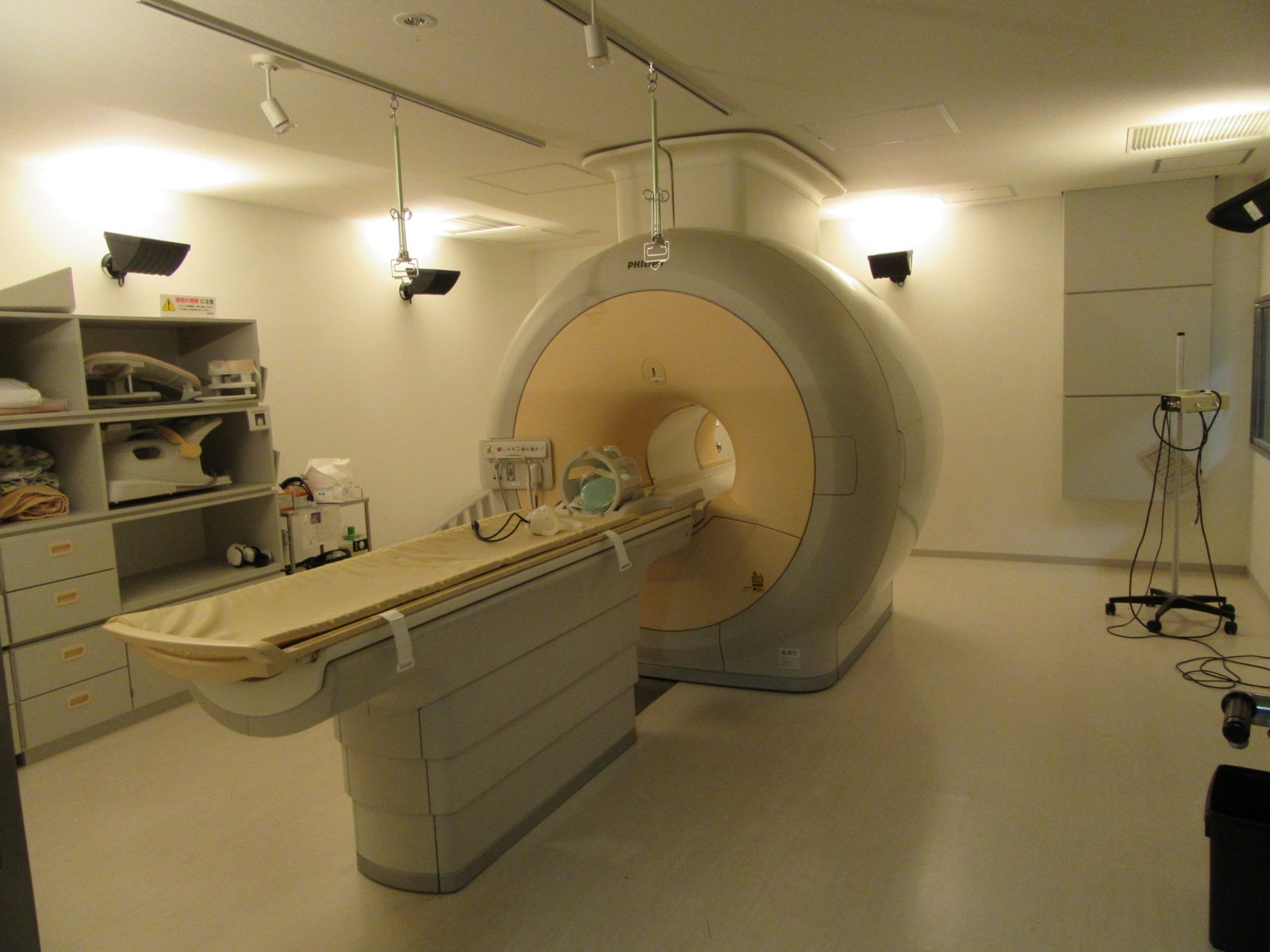

The FDA granted this device through the De Novo pathway, used for new low-to-moderate-risk device types with no existing equivalent.
Key points
- Neuropacs said the FDA granted De Novo classification to neuropacs, software that analyzes 3T diffusion MRI scans to help tell multiple system atrophy and progressive supranuclear palsy apart from Parkinson's disease.
- The company said the software is the first device classified under the new FDA category of "Parkinsonian syndrome diagnostic aid" and is meant to supplement, not replace, clinical assessment.
- Supporting evidence cited by the company includes a prospective study across 21 Parkinson Study Group centers published in JAMA Neurology.
The U.S. Food and Drug Administration has granted De Novo classification to neuropacs, an AI-based software application that analyzes diffusion MRI scans to help clinicians evaluate Parkinsonian syndromes, Gainesville, Florida-based Neuropacs Corp. said on April 7 in a press release distributed by Business Wire.
The company said neuropacs is the first medical device the FDA has classified under a new category, "Parkinsonian syndrome diagnostic aid." A De Novo grant covers a new type of low-to-moderate-risk device that has no predicate on the market, and the classification it creates can then serve as the basis for later devices of the same type.
What the software does
According to the release, the software analyzes diffusion MRI data and produces a classification report based on degenerative brain patterns of multiple system atrophy Parkinsonian variant (MSAp) and progressive supranuclear palsy (PSP). The report is intended to give neuroradiologists and neurologists supplemental information, as part of a full clinical assessment, to help differentiate those diseases from Parkinson's disease.
Neuropacs said the software works with standard diffusion MRI sequences on 3 Tesla clinical scanners from Siemens, GE Healthcare and Philips, and that scans are analyzed with a free-water imaging model and a machine learning algorithm delivered through a cloud-based workflow. The company said the technology is built on more than 15 years of research and more than 1,000 imaging datasets.
The release states that the system "is intended to provide supplemental information and is not a standalone diagnostic device." It also says the device is meant to be used after trained clinicians have ruled out other potential causes of parkinsonism, such as dementia with Lewy bodies, vascular parkinsonism, drug-induced parkinsonism and corticobasal degeneration.
Evidence and funding
The company pointed to a prospective multicenter study published in JAMA Neurology and run across 21 movement disorder centers in the Parkinson Study Group, with support from the National Institutes of Health. Diagnostic Imaging reported that the automated imaging differentiation for Parkinsonism (AIDP) analysis in that study produced an area under the receiver operating characteristic curve of 96 percent or better for differentiating Parkinson's disease, atypical parkinsonism, MSAp and PSP. The outlet noted that the lead author, David Vaillancourt, is a professor and department chair at the University of Florida.
"The FDA's De Novo classification establishes a new regulatory category for this type of technology and enables broader access to tools that may support clinicians in assessing Parkinsonian syndromes," said Martin Handfield, Neuropacs' president and chief executive, in the release.
The De Novo classification follows a seed round of about $1 million that the company announced earlier, which Neuropacs said supports its move from research to commercialization and an expansion of its clinical and trial-support work. ReachMD, summarizing the company announcement, said the classification enables commercialization of the technology.
The release did not give the De Novo number, pricing or a commercial launch date.
Sources
- FDA Grants De Novo Classification to neuropacs, a First-in-Class AI-Based MRI Diagnostic Aid for Parkinsonian Syndromes, Neuropacs, April 7, 2026
- Diffusion MRI Software for Parkinsonian Syndromes Gets FDA De Novo Classification, Diagnostic Imaging, April 7, 2026
- FDA Grants De Novo Classification to neuropacs, an AI MRI Diagnostic Aid, ReachMD, April 8, 2026