FDA Grants De Novo to Autonomous Healthcare's Syncron-E Ventilator Waveform Software
The decision creates a new Class II device type, ventilator waveform analysis software, for tools that review recorded breathing data from patients on mechanical ventilation.
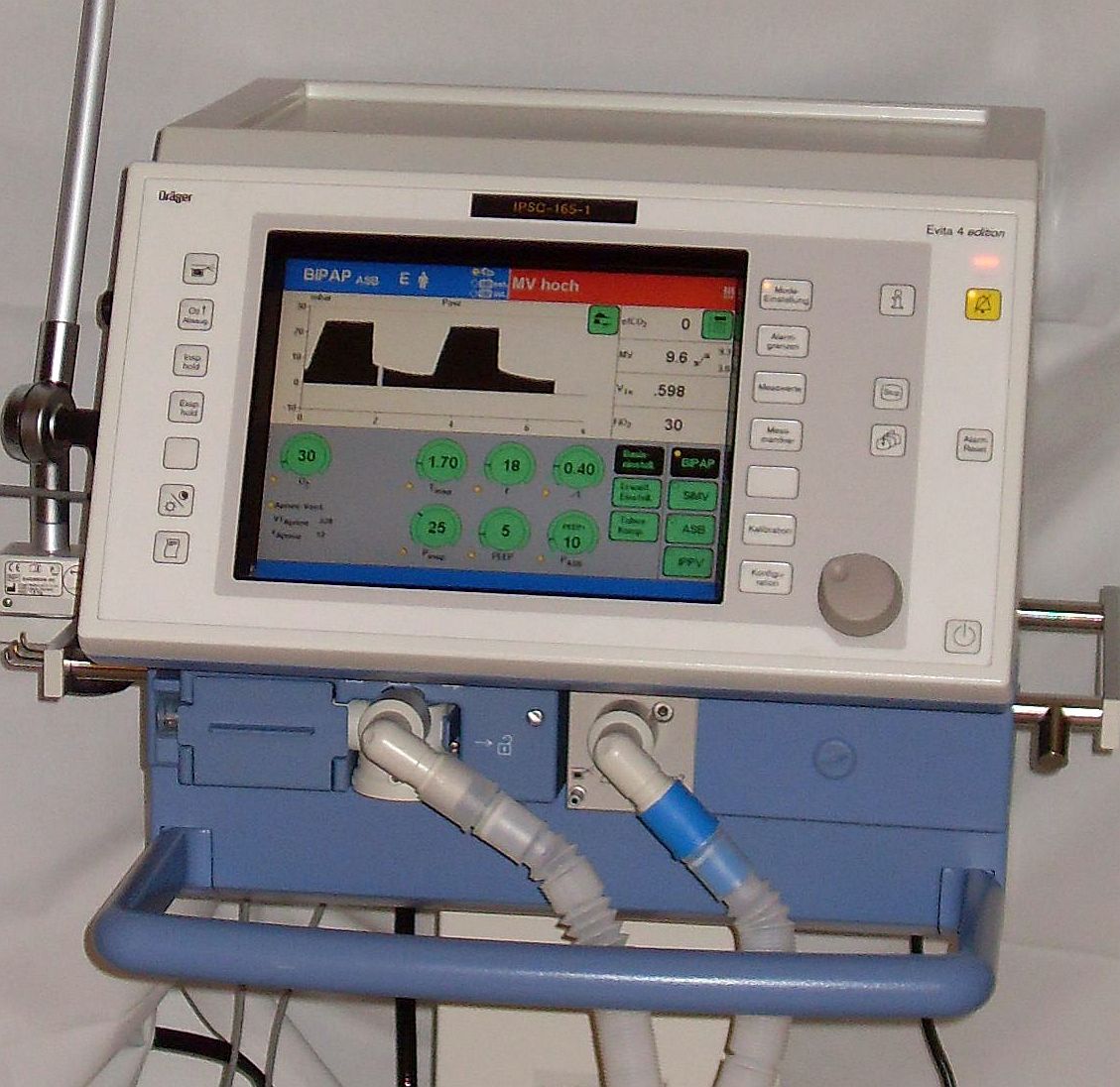

The FDA granted this device through the De Novo pathway, used for new low-to-moderate-risk device types with no existing equivalent.
Key points
- The FDA granted De Novo request DEN250025 for Syncron-E on June 18, 2026, and Autonomous Healthcare announced it on July 14.
- Syncron-E looks for ineffective breathing efforts in 30 to 60 minutes of previously recorded ventilator waveform data from adults on invasive ventilation.
- The order sets special controls for the new device type and requires later devices of the same type to go through 510(k) review.
The U.S. Food and Drug Administration has granted De Novo marketing authorization to Syncron-E, software from Autonomous Healthcare that analyzes recorded ventilator waveforms for signs that a patient's breathing efforts are out of step with the machine. The company announced the decision on July 14, according to Respiratory Therapy.
The FDA's classification order for De Novo request DEN250025 is dated June 18, 2026. It places Syncron-E and substantially equivalent devices into Class II under a new generic name, ventilator waveform analysis software, at 21 CFR 868.5896.
What the software does
According to the order, Syncron-E is intended "as an adjunctive aid for detecting evidence of ineffective efforts during exhalation and rest periods in previously recorded mechanical ventilation waveform data." It works with data recorded in volume control, pressure control or pressure support ventilation modes.
Respiratory therapists use it to analyze 30 to 60 minutes of previously recorded waveform data per session, and a summarized analysis is displayed for their review. Use is restricted to files from adults 22 and older receiving invasive ventilation. The order states: "The data is reviewed retrospectively and not to be used in time-sensitive scenarios."
Ineffective efforts occur when a patient tries to breathe but the ventilator does not deliver a supporting breath. Respiratory Therapy, citing the company's release, reported that they are the most frequent type of patient-ventilator asynchrony and are often missed during manual waveform checks at the bedside.
Special controls for a new category
According to the order, the FDA had automatically placed Syncron-E in Class III in February 2023 because it did not fall within an existing device type, and the company's De Novo request, received in June 2025, asked for a risk-based classification instead. The order lists the risks it identified, including delayed or incorrect patient management from false positive or false negative results, overreliance on the algorithm, and incorrect output from poor input data or unsupported ventilators.
To address them, the order sets special controls. Clinical testing must compare the device's output against a clinically justified reference standard, using a dataset independent of the one used to develop the algorithm. Software documentation must include compatibility testing with every ventilator the device is labeled to work with. Labeling must list compatible ventilator models and settings, summarize the clinical testing, describe situations in which the device may not perform as expected, and include "a warning against overreliance on device output."
The FDA also determined that premarket notification is needed for the device type, so future ventilator waveform analysis software from other makers will require 510(k) clearance.
Company comment
"We took the harder path of creating a new device category because clinicians need tools that simply didn't exist before," Behnood Gholami, co-founder and chief executive of Autonomous Healthcare, said, as quoted by Respiratory Therapy.
Sources
- De Novo classification order, DEN250025 (Syncron-E), U.S. Food and Drug Administration, June 18, 2026
- FDA Authorizes Syncron-E Software for Patient-Ventilator Asynchrony, Respiratory Therapy, July 14, 2026