FDA Eases Oversight of Wellness Wearables and Clinical Decision Support Software
Two final guidances updated without public comment let some non-invasive sensors that estimate blood pressure or glucose stay outside device rules and widen the room for single-answer decision software.

Key points
- FDA updated its general wellness and clinical decision support software guidances on January 6; both are final and were issued without public input, RAPS reported.
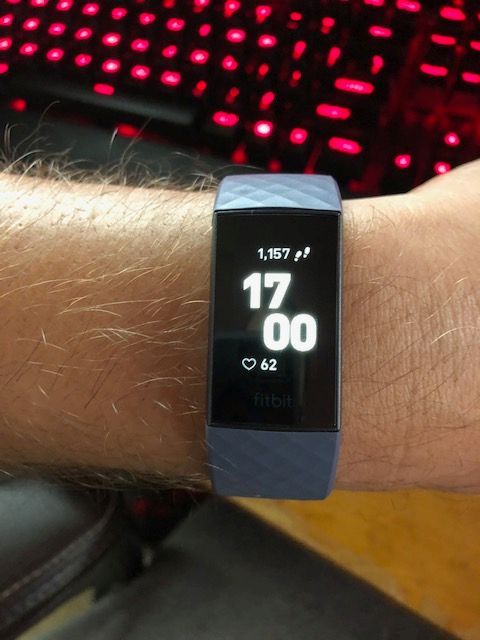
- The wellness guidance says non-invasive sensors that measure values such as blood pressure, oxygen saturation or blood glucose can be general wellness products if their output is solely for wellness uses.
- The CDS guidance says FDA will use enforcement discretion for software that gives clinicians a single recommendation when it is the only clinically appropriate one and other criteria are met.
The U.S. Food and Drug Administration on January 6 updated two guidance documents that narrow which wearables and clinical decision support (CDS) programs it treats as regulated medical devices, Commissioner Marty Makary announced at the Consumer Electronics Show in Las Vegas, Regulatory Focus, the news service of the Regulatory Affairs Professionals Society (RAPS), reported.
Both documents are final guidances, and RAPS reported that they were updated without public input. The agency said the changes would give developers more flexibility and predictability while medical-grade products continue to be regulated, according to the report.
“Industry wants clear guidance, markets like predictability, investors want predictability, and that's what we're going to give them,” Makary said, as quoted by RAPS. He added that companies not claiming their products are medical grade should be left to the market.
Wellness sensors
The updated general wellness guidance, issued by the Center for Devices and Radiological Health under docket FDA-2014-N-1039, sets out the center's compliance policy for low-risk products that promote a healthy lifestyle. The FDA page notes that the 21st Century Cures Act removed software intended for maintaining or encouraging a healthy lifestyle, and unrelated to disease, from the legal definition of a device.
According to RAPS, the new version adds a section saying FDA may consider products with non-invasive sensors, such as optical sensors that measure blood pressure, oxygen saturation, blood glucose or heart rate variability, to be general wellness products if their output is “solely for wellness uses.” Such products must not be intended to diagnose or treat disease or to substitute for an FDA-authorized product.
RAPS quoted the guidance as saying products are not general wellness products “when they are intended to measure, estimate, or report physiologic values for medical or clinical purposes, including screening, diagnosis, monitoring, alerting, or management of a disease or condition.”
One new example describes a wrist-worn product that reports sleep quality, pulse rate and blood pressure without referring to a disease; FDA treats it as a low-risk wellness product “provided the product has validated values for blood pressure,” RAPS reported. The update follows FDA's July 2025 warning letter to Whoop over the marketing of its Blood Pressure Insights feature without clearance, a dispute RAPS said the guidance appears to address.
Decision support software
The CDS guidance replaces the 2022 version, which treated software as a device partly out of concern about automation bias when a program offered a single, specific output. RAPS reported that the revised guidance drops that concern and instead expands on the four statutory criteria for exempt CDS software.
Where CDS software recommends how to prevent, diagnose or treat a condition and gives only one clinically appropriate result while meeting the other requirements, FDA said it will use enforcement discretion and allow the product on the market, according to the report. The guidance adds new examples of single-recommendation software that would and would not be regulated as a device.
“Many of these AI and software-based technologies are improving over time so for us to use an old model at the FDA to simply put a rubber stamp on something isn't really appropriate for an evolving marketplace,” Makary said, as quoted by RAPS.
Comments on the wellness guidance can still be submitted to the docket at any time, the FDA page says.
Sources
- General Wellness: Policy for Low Risk Devices (guidance page, January 2026), U.S. Food and Drug Administration, January 6, 2026
- FDA relaxes oversight of general wellness devices, CDS software, Regulatory Focus (RAPS), January 7, 2026