FDA Clears Tempus ECG-MR AI for Signs of Undiagnosed Mitral Regurgitation
The software reads routine 12-lead ECGs from at-risk patients 65 and older and gives a yes-or-no flag that may prompt an echocardiogram; it is Tempus's fourth cleared ECG-AI product.
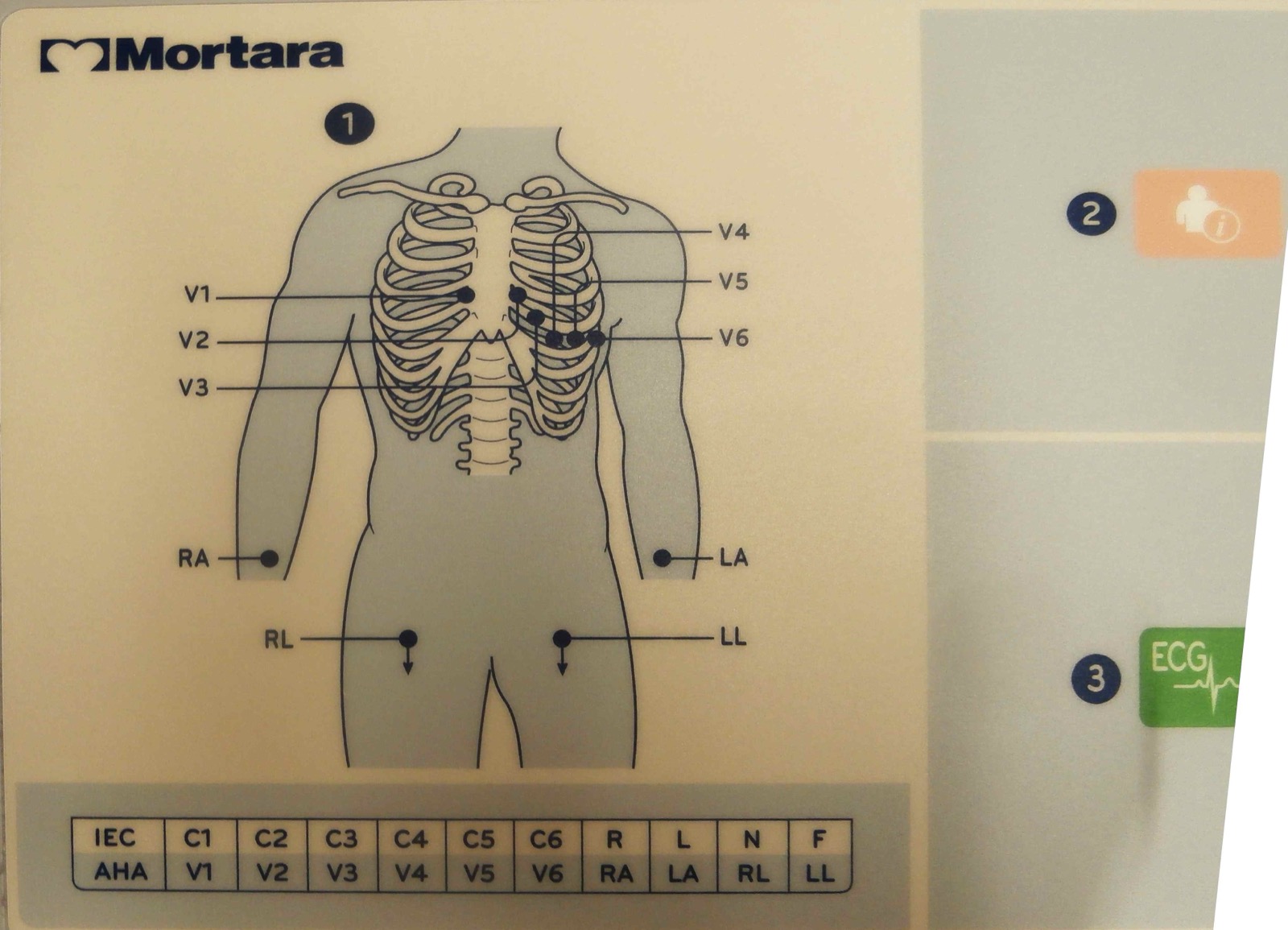

The FDA cleared this device through the 510(k) pathway, which finds it substantially equivalent to a device already on the market. Clearance is not the same as approval.
Key points
- Tempus AI announced 510(k) clearance for Tempus ECG-MR on September 28, 2026.
- The software analyzes resting 12-lead ECGs from patients 65 or older at risk of heart disease and returns a binary result for possible moderate or severe mitral regurgitation.
- Tempus said it is not a stand-alone diagnostic, is not for serial monitoring and should not be used on ECGs with paced rhythms.
Tempus AI said on Monday that it has received FDA 510(k) clearance for Tempus ECG-MR, artificial intelligence software that analyzes standard 12-lead resting electrocardiograms (ECGs) for signs associated with undiagnosed moderate or severe mitral regurgitation, RTTNews reported on September 28.
Mitral regurgitation is a common heart valve condition in which the mitral valve does not close properly and blood leaks backward. Early-stage disease may cause no symptoms or only non-specific ones, which can delay diagnosis, according to the company's announcement as reported by RTTNews.
Who the software is for
ECG-MR is intended for resting, non-ambulatory 12-lead ECGs recorded at healthcare facilities from patients aged 65 or older who are at risk of cardiovascular disease. Qualifying risk factors include coronary artery disease, hypertension, obesity and diabetes, as well as symptoms such as shortness of breath, chest pain or swelling of the lower legs, RTTNews reported.
The software is not meant for patients who already have a diagnosis of moderate or severe mitral regurgitation or who have had a mitral valve intervention. It gives a binary output for interpretation and is not intended as a stand-alone diagnostic tool or for serial patient monitoring, Tempus said. It should not be used on ECGs showing paced rhythms, and its results are to be read together with the original ECG, other tests, symptoms and clinical history.
Positive results are intended to help identify higher-risk patients who may need further evaluation, such as an echocardiogram, HLTH reported on September 29. The tool is not designed to diagnose the condition on its own or to track disease progression over time.
A fourth ECG-AI clearance
Tempus said ECG-MR is its fourth FDA-cleared ECG-AI product, extending its portfolio across arrhythmia, heart function, pulmonary vascular disease and now valvular disease. According to HLTH, the company's strategy is to draw more clinical information out of routine ECGs, so that providers could identify heart conditions earlier without adding a new diagnostic test to existing workflows.
The announcement, as reported, did not give the 510(k) number, the clearance date or the performance data submitted to the FDA, and Tempus did not disclose pricing.
Tempus describes itself as a technology company applying artificial intelligence and multimodal data to precision medicine. Shares of the company had traded between $40.77 and $104.32 over the previous year, RTTNews reported.
Sources
- Tempus Secures FDA Clearance For ECG-AI Software Designed To Detect Mitral Regurgitation, RTTNews, September 28, 2026
- FDA Clears Tempus AI Tool to Detect Mitral Regurgitation From ECGs, HLTH, September 29, 2026